Low FODMAP chicken recipes work when the chicken stays plain and the flavour comes from garlic-infused oil, chives and spices whose labels you have checked. Pick a cooking method, season simply, and read every marinade and spice blend label before it touches the pan.
This guide walks through the method from shopping to serving, with one seasoning base that carries across stir-fries, curries and braises. For the wider picture, see our collection of low fodmap recipes for ibs.
What you need before you start
- Professional guidance. A strict low FODMAP diet should only be started under the supervision of a healthcare professional, so treat these recipes as cooking technique and not as a replacement for dietary advice.
- Plain chicken. Boneless skinless breasts suit quick, thin-sliced dishes. Boneless skinless thighs suit anything simmered or braised.
- A garlic-free flavour base. Garlic-infused oil stands in for garlic, and fresh chives stand in for onion.
- A label-reading habit. Marinades, spice blends and ready-seasoned chicken are where onion and garlic powder usually hide.
The result is a chicken dinner with the savoury depth you expect, built from a handful of ingredients you can verify yourself.
Cooking low FODMAP chicken, step by step
Step 1: Start with plain chicken and check every label
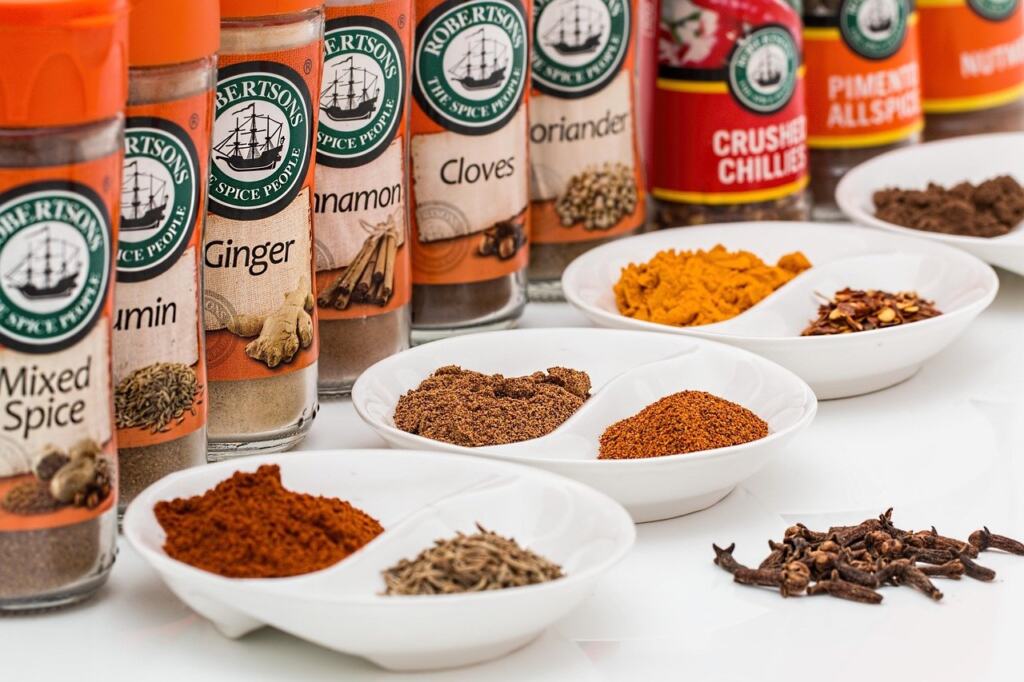
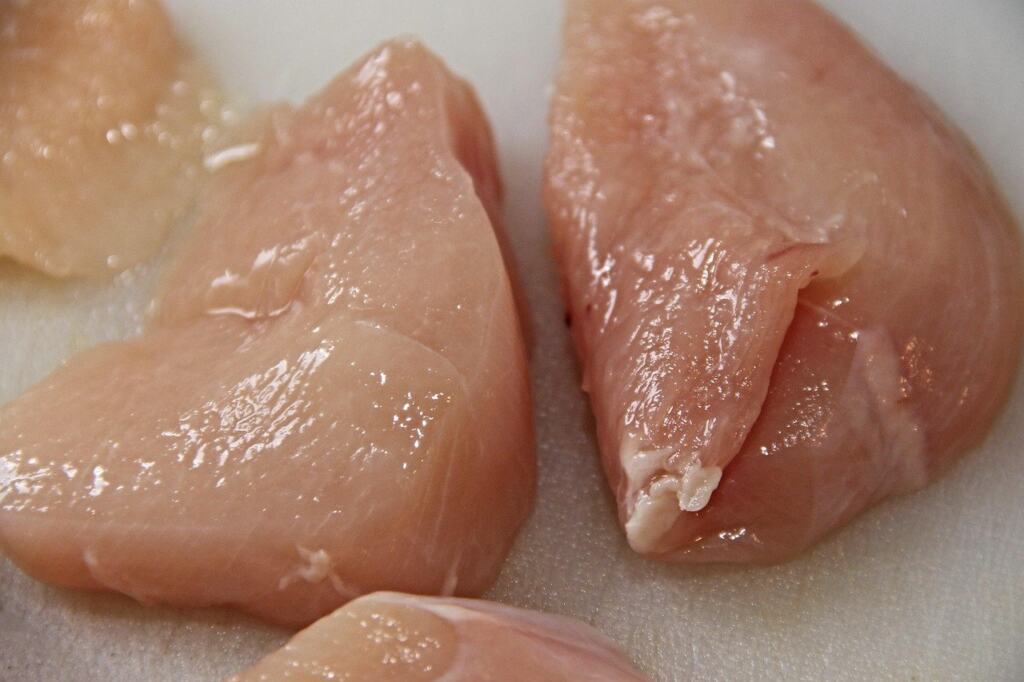
Plain chicken is the easy part of this diet. The risk sits in what is added to it. When you buy chicken that has been cooked or seasoned for you, check that it has not been seasoned with onion powder, garlic powder or other high FODMAP ingredients. The same rule applies to bottled marinades, rubs and all-purpose spice blends.
A safe store-bought product is one whose ingredient list shows no onion, garlic or their powders, and nothing else you are avoiding. If a blend lists only spices and herbs you already tolerate, it is usable. If it says “spices” with no detail, or lists onion or garlic in any form, leave it on the shelf and season the chicken yourself using Step 2.
Step 2: Build a seasoning base without onion or garlic powder
Swap, do not subtract. Each missing ingredient has a stand-in that keeps the dish tasting like itself.
- Garlic becomes garlic-infused oil. One cook who makes a garlic-free chicken cacciatore used garlic-infused oil, which makes prepping dinner even easier, because the flavour is already in the oil and there is nothing to chop.
- Onion becomes chives. A low FODMAP sesame chicken recipe notes that chives are an excellent way to add onion flavor without the FODMAPs. Add them near the end so they stay fresh.
- Warmth and colour come from paprika and dried herbs. A slow cooker paprika chicken on a dietitian-reviewed recipe list is a good example: you walk away for 5 hours and the spice does the work.
Mix your own blend in a small jar from spices you have checked, and you will never need a commercial blend. Make it once and reuse it across the dishes below. Stick to the amounts you already tolerate, and check each jar’s label for added onion or garlic.
Step 3: Make a quick chicken stir-fry
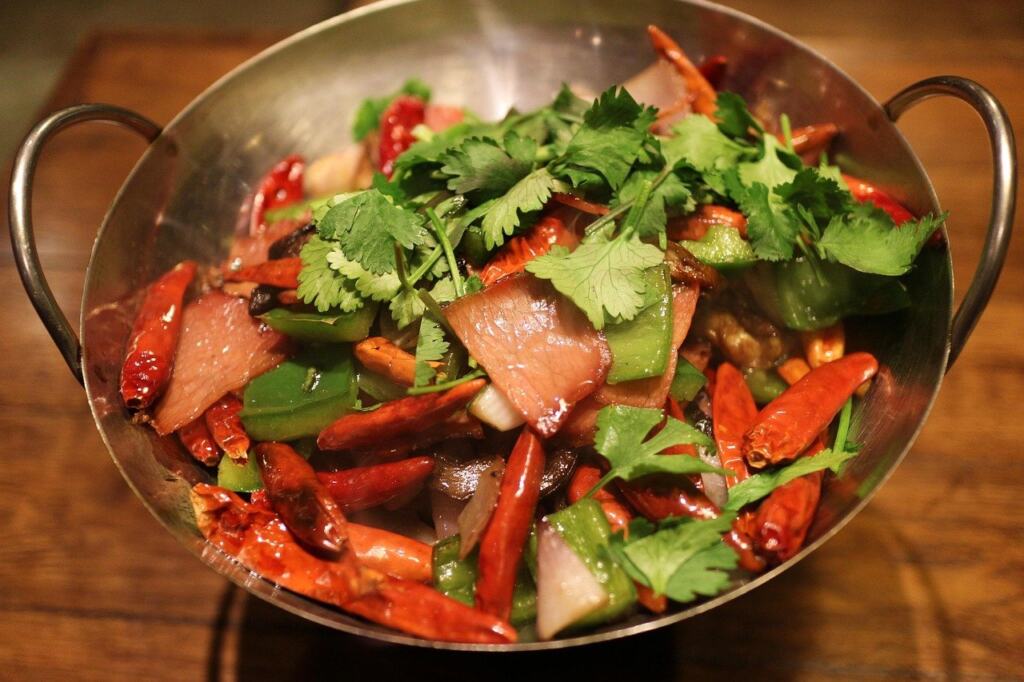
Stir-fries suit chicken breast because thin strips cook fast and take on sauce. The sesame chicken recipe above uses 1 1/2 pounds of boneless skinless chicken breasts cut into thin strips against the grain for 4 servings. Cutting against the grain keeps the strips tender rather than stringy.
Heat the pan first, then add the chicken and brown it well, about 3 to 4 minutes a side. Do not crowd the pan, because overfilled strips steam and turn pale. Add garlic-infused oil for the garlic note, then finish with chives for the onion note and serve on rice.
This is the dish to pick for a weeknight when you have the least time. Once the strips are cut, almost nothing else needs prepping.
Step 4: Turn the same base into a chicken curry
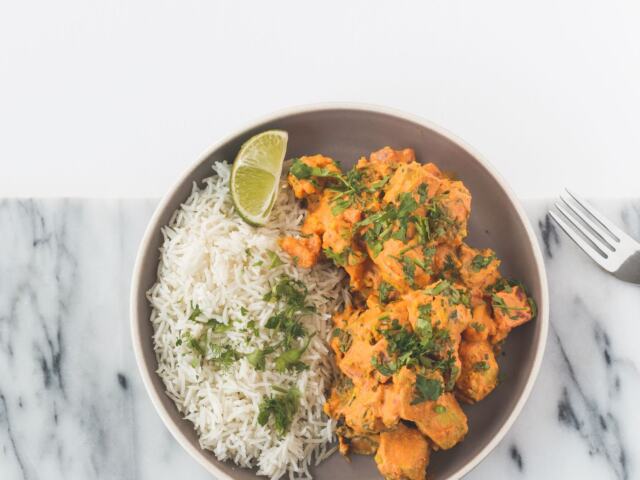
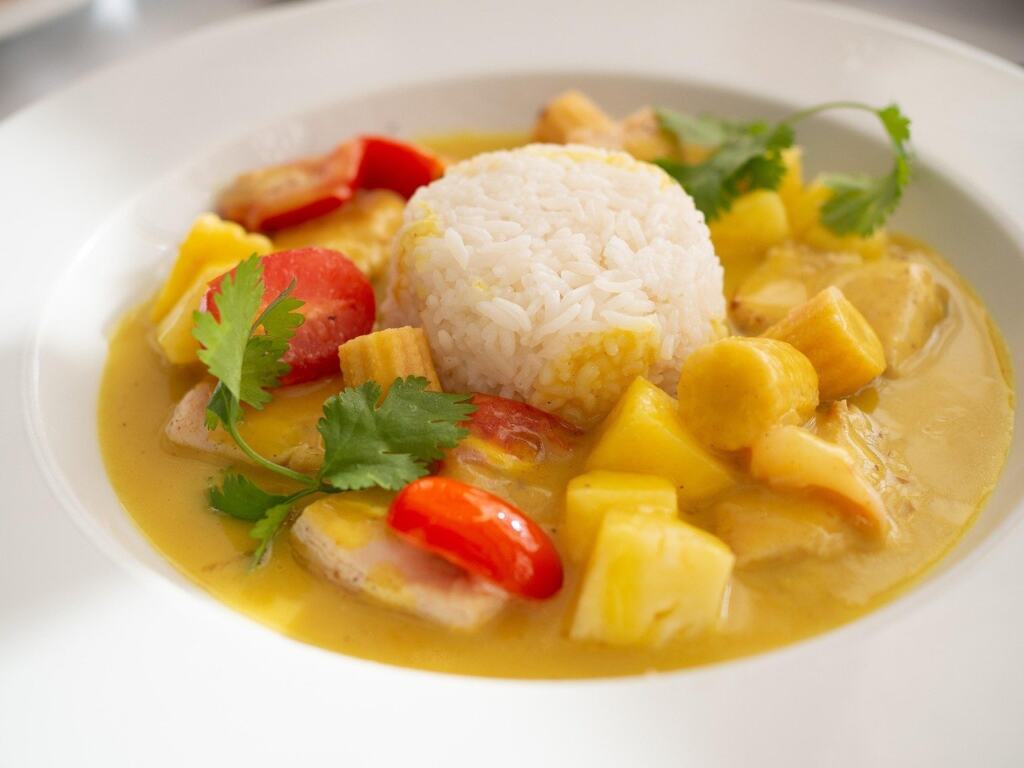
A low FODMAP chicken curry follows the same logic as the stir-fry. Use garlic-infused oil to start the sauce, skip the onion, and let chives and checked spices supply the character. Thigh meat holds up better than breast in a simmered sauce, because it stays tender while the sauce reduces.
Brown the chicken, add your spices to the oil for a short time, then add the liquid and simmer on medium-low heat until the sauce thickens. Check every packaged component, such as curry paste, stock and spice mixes, for onion and garlic before it goes in. Serve over rice.
Step 5: Braise or bake thighs for a hands-off dinner
Chicken thighs forgive a long cook, which makes them the best choice for braises and baked dishes. A garlic-free cacciatore proves the point: even without garlic and onion, it is full of classic Italian flavor. The recipe uses 2 pounds of boneless skinless chicken thighs for 4 servings.
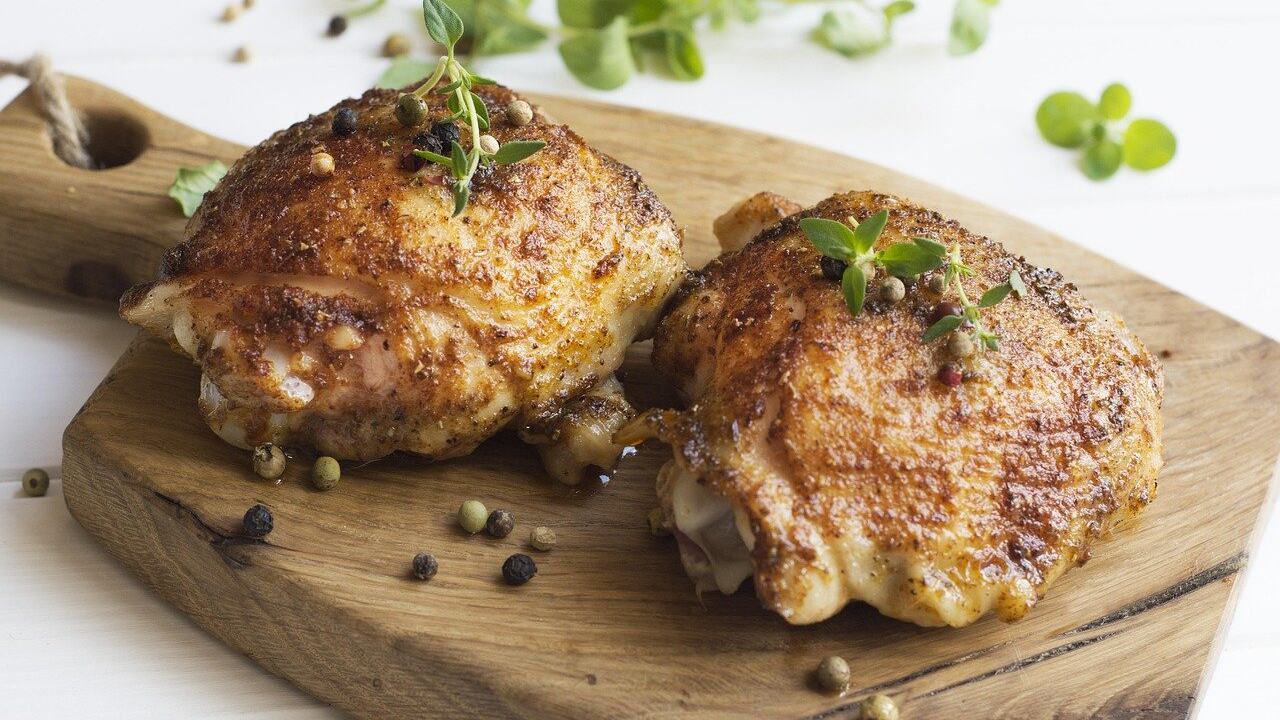
After browning, simmer over medium-low heat. The sauce takes roughly 10 to 15 minutes to thicken, and the thighs should be fork tender when it is done. If you prefer baking, season thighs with your own blend and herbs, add a spoonful of garlic-infused oil, and cook until the meat is tender and cooked through.
Plan the rest of the plate at the same time. Our ideas for low fodmap side dishes pair easily with braised thighs, and cooking a double batch makes low fodmap meal prep simple.
Step 6: Taste, adjust and serve
Before serving, cut into the thickest piece to confirm the chicken is cooked through, and taste the sauce. If it seems flat, add more chives or a little more garlic-infused oil rather than reaching for a powder. Keep brand-name jars and bottles on hand so you can recheck their ingredient lists whenever you restock, since formulations can change.
Checkpoints for each method
Use this table to confirm you have the right cut, timing and seasoning swap for the method you chose.
| Method | Cut and amount | Timing cue | Seasoning swap | Planning use |
|---|---|---|---|---|
| Stir-fry | Boneless skinless breast, 1 1/2 pounds, thin strips against the grain (4 servings) | Brown about 3 to 4 minutes a side | Chives for onion flavour | Choose it when you have the least time on a weeknight. |
| Braise (cacciatore) | Boneless skinless thighs, 2 pounds (4 servings) | Simmer on medium-low heat, about 10 to 15 minutes, until thickened and fork tender | Garlic-infused oil for garlic | Choose it for a forgiving dinner that tastes familiar. |
Amounts and timings come from the sesame chicken and chicken cacciatore recipes.
Common mistakes are using a ready-seasoned chicken product without reading it, adding a spice blend that lists onion or garlic, and crowding the pan so the chicken steams instead of browning. If a label is unclear, leave that ingredient out and season from your own checked jars.
Frequently asked questions
Can I follow these recipes without seeing a professional?
A strict low FODMAP diet should only be commenced under the supervision of a healthcare professional. Some recipe sites say their recipes are reviewed by a FODMAP-trained dietitian and suit the first phase, but that does not replace personal guidance.
Is chicken breast or thigh better for these dishes?
Choose by method rather than by diet. Breast cut into thin strips suits a fast stir-fry, while thighs suit a simmered or braised dish that benefits from a longer cook.
Can I use cooked store-bought chicken to save time?
Yes, if the label shows no onion powder, garlic powder or other high FODMAP seasoning. If the chicken comes seasoned and the ingredients are unclear, cook plain chicken yourself instead.