Low fodmap soup recipes work best when they start with an onion-free stock, use leek greens for flavor and swap garlic for garlic-infused oil. Check every store-bought broth label before it goes in the pot.
This how-to builds one reusable stock, then turns it into a smooth potato and leek soup. For wider meal planning on the Low FODMAP diet, see these low fodmap recipes for ibs.
What you need before you start
The method suits anyone following the Low FODMAP diet who wants soup without onion or garlic. It needs ordinary kitchen equipment and a few ingredient decisions made in advance.
- Leek greens only: the potato leek recipe used here specifies green parts only for low FODMAP, so keep the white and pale parts out of the pot.
- Garlic-infused olive oil: this replaces fresh garlic and gives the soup its savory backbone without any garlic pieces.
- A broth plan: either the homemade stock in Step 1 or a store-bought broth whose label you have read in full.
- Potatoes and carrots: the base vegetables for the soups below.
- A blender: an immersion blender works inside the pot, while a standard blender needs cooled soup.
- The Monash University FODMAP Diet app: use it to confirm the current serving size of any vegetable you add, such as carrot, pumpkin or celery.
The expected result is a pot of mild, savory soup that can be portioned, stored and reheated through the week.
Making the stock and soup
Step 1: Simmer an onion-free stock
A reusable stock is the cheapest way to control what goes into every soup. Simmer bones or vegetable trimmings with carrot and a bay leaf in plain water, and leave out onion skins, onion ends and garlic. Celery is a common addition, but check its serving size in the Monash app before adding a large amount, because the portion that suits one bowl may not suit a whole pot shared across several bowls.
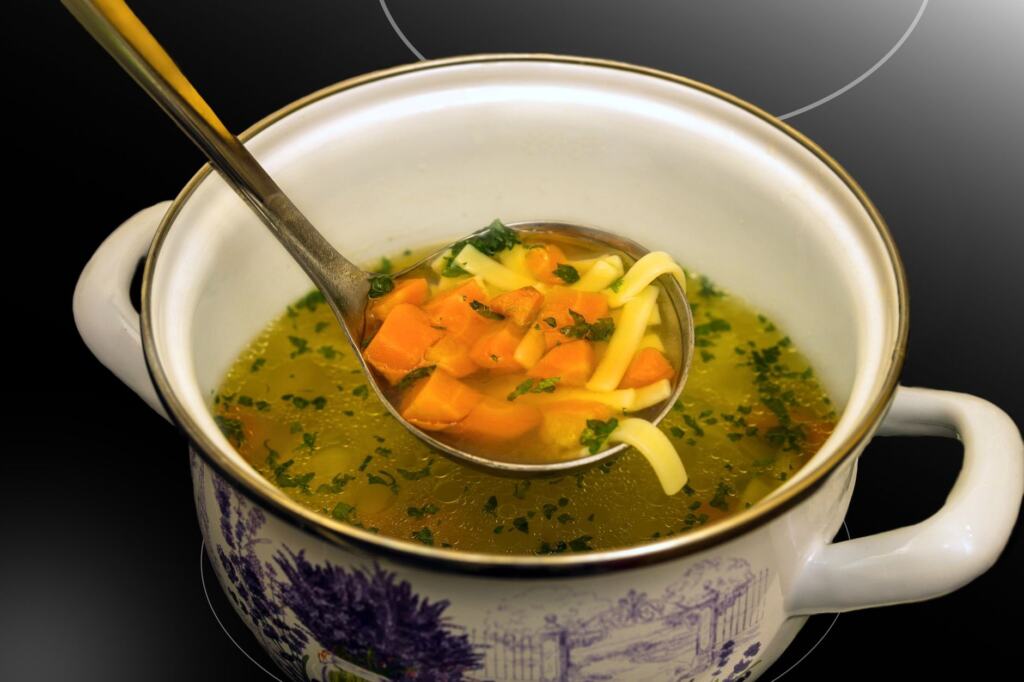
Strain the finished stock and keep it as your default broth for the steps below. A plain stock also lets you season each soup separately instead of fighting a strong flavor that is already baked in.
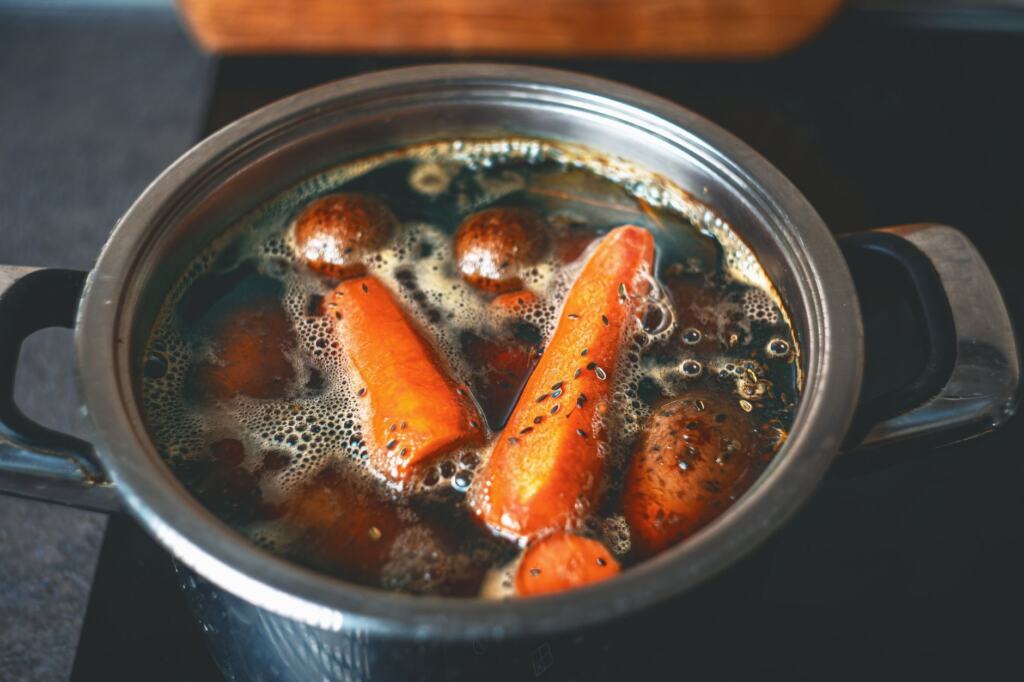
Step 2: Use leek greens for flavor
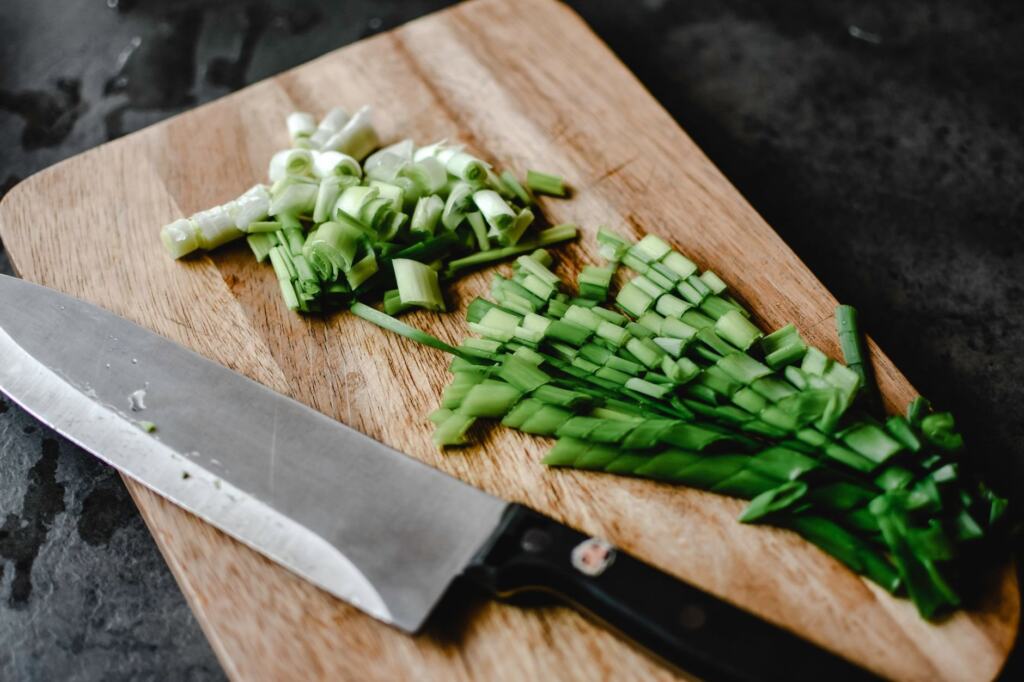
Leek greens answer the common question of how to get an oniony note without onion. The slow cooker potato leek recipe at Food Talk Daily calls for 1 cup of chopped leeks and notes green parts only for low FODMAP. Wash the dark green leaves well, since grit hides between the layers, then chop them finely so they soften into the soup.
Scallion tops follow the same green-part idea, and they also work as a fresh garnish. Confirm the serving size for any green you add in the Monash app rather than assuming a handful is fine.
Step 3: Replace garlic with infused oil
To make soup without onion and garlic, add depth through fat and herbs instead of bulbs. The recipe used here relies on garlic-infused olive oil as its garlic alternative, so warm a spoonful of the oil in the pot before adding the leek greens. Add the oil at the start, because it flavors the whole pot evenly.
Use an oil that is infused rather than a jar of oil with garlic pieces floating in it. Read the ingredient line on the bottle, as pieces left in the oil defeat the purpose.
Step 4: Choose vegetables that suit the diet
Potato is the simplest bulk vegetable, and the recipe uses 3-4 cups of cubed potatoes, about 3-4 medium potatoes. Carrot gives sweetness and color, and pumpkin works for a smooth orange soup. For carrot, pumpkin, celery and any extra leek leaves, the Monash app holds the tested serving sizes, so check the entry for each before scaling a recipe up to a family-size pot.
Keep the vegetable list short for a first batch. Fewer ingredients make it easier to see which soup suits you, and a simple pot is easier to repeat when you do tolerate it well.
Step 5: Cook the soup
Combine the cubed potatoes, leek greens and 3 cups of broth in the pot or slow cooker. The Food Talk Daily recipe calls for vegetable or bone broth and slow cooks the soup on high for 4 hours, stirring every hour or so. On a stove, the checkpoint is the same: the potatoes should be completely soft before you blend.
Taste before adding salt, particularly if the broth is store-bought, because ready-made broths vary in how salty they are.
Step 6: Blend until smooth
An immersion blender can go straight into the pot and saves transferring hot liquid. If you use a standard blender instead, the recipe notes that the soup should cool significantly beforehand. Blend in small batches, then return the soup to the pot and warm it gently.
For a thinner soup, stir in a little more broth. For a thicker one, blend less of the potato and leave some small pieces whole.
Step 7: Check store-bought broth labels
Store-bought broth is the most common hiding place for onion and garlic. Read the full ingredient list on the carton, and put it back if onion or garlic appears in any form. Do not rely on the front of the pack, because wording such as “mild” or “home style” does not tell you what is inside.
Packaging changes, so check the label on each new purchase, even for a brand that passed before. When a label is unclear, the homemade stock from Step 1 is the safer fallback.
Checkpoints for the potato leek soup
Use this table to confirm the batch before serving. The values come from the recipe discussed above.
| Item | Recipe value | Planning use |
|---|---|---|
| Leeks | 1 cup chopped, green parts only | Discard the white and pale parts before you start chopping. |
| Potatoes | 3-4 cups cubed, about 3-4 medium | Cut evenly so they soften at the same rate. |
| Broth | 3 cups vegetable or bone broth | Use homemade stock or a label-checked carton. |
| Garlic flavor | 1 tsp garlic scape powder or garlic-infused olive oil | Add at the start to flavor the whole pot. |
| Slow cooking | 4 hours on high, stirred about hourly | Blend only when the potatoes are completely soft. |
These figures are taken from the slow cooker potato leek soup recipe, which is labelled garlic and onion free.
Serving, storing and next meals
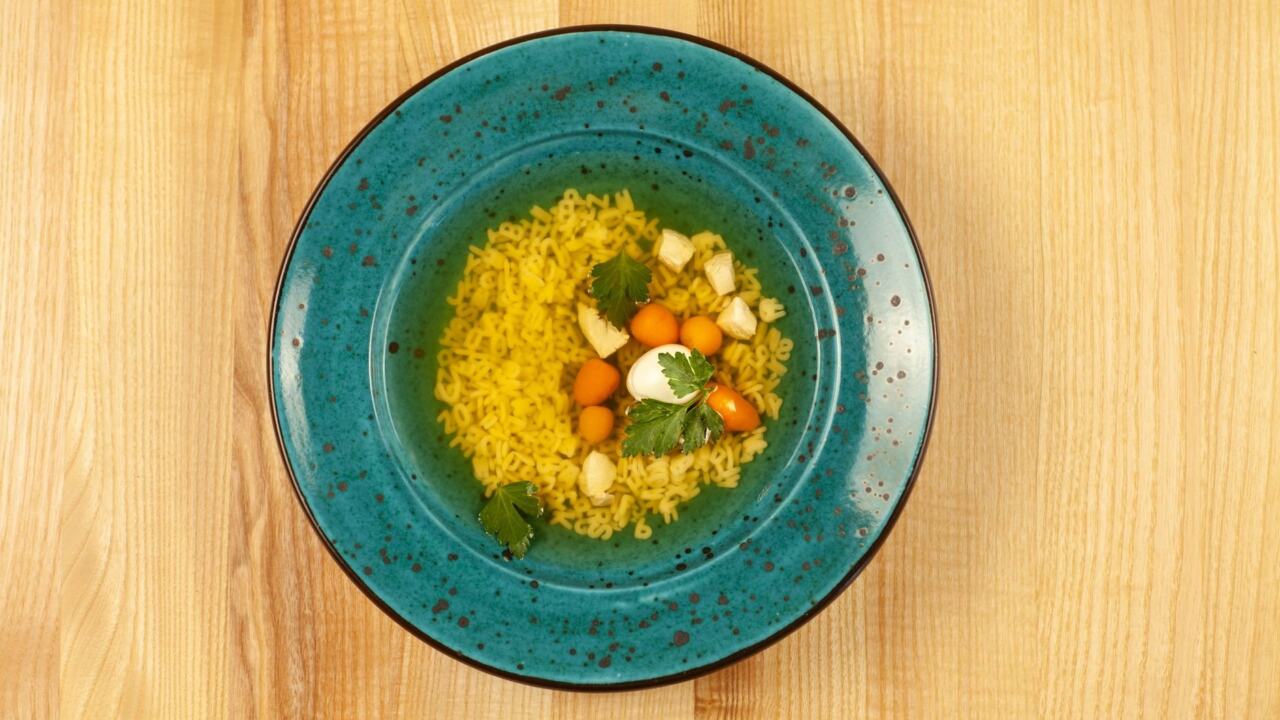
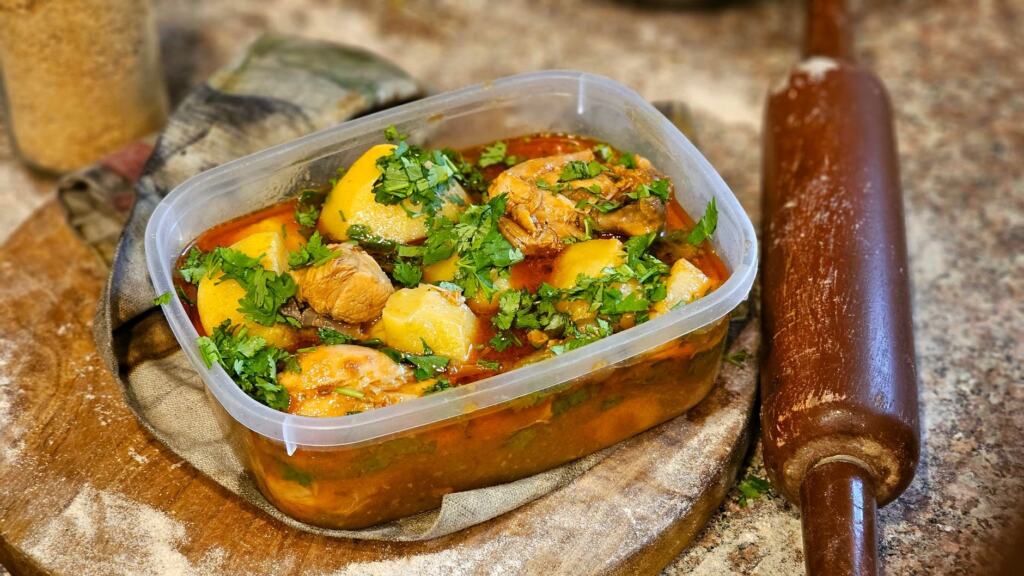
Ladle the soup into warm bowls and finish with chopped herbs or a few scallion tops. Rice or plain cooked chicken turns a bowl of this soup into a full meal, and a clear carrot broth works the same way with those additions.
Soup is well suited to batch cooking. Let the pot cool, divide it into shallow containers, and refrigerate or freeze the portions. For safe storage times, follow USDA guidance on leftovers rather than guessing, and reheat until steaming hot.
Vegetable-forward soups also fit meat-free weeks. Swap in vegetable broth and browse these low fodmap vegetarian recipes for meals to rotate with them. When you want something fresh on the side, these low fodmap side dishes pair easily with a bowl of soup.
Frequently asked questions
Can the potato leek soup be made vegan?
Yes. The recipe specifies vegetable or bone broth and says to use vegetable broth if the soup is vegan, so the rest of the method stays the same.
Can garlic scape powder replace garlic-infused oil?
The recipe lists 1 tsp of garlic scape powder or garlic-infused olive oil as alternatives, so either can supply the garlic note. Check the ingredient list on any powder you buy.
Does a garlic and onion free label make a soup low FODMAP?
Not by itself. The recipe above carries that label, yet it still limits the leeks to green parts and depends on a label-checked broth. Other vegetables and serving sizes also count, so confirm them in the Monash app.
Who should adjust these soups for IBS?
Anyone whose symptoms persist should work with a registered dietitian. Individual tolerance varies, and a dietitian can tailor serving sizes and ingredient choices to the person.