| Situation | What to prep | Storage window | Portion rule | Planning use |
|---|---|---|---|---|
| New to the diet | Staples such as oats, rice, quinoa, eggs, firm tofu and lactose-free yogurt | Shelf and fridge staples | Measure to the listed serving size | Buy the base list first, then cook one recipe in bulk. |
| Weekday breakfasts | Overnight oats or chia pudding | Four to five days refrigerated in sealed containers | ½ cup oats made with lactose-free milk, topped with strawberries (5 medium) | Make a full batch at once and eat it inside the fridge window. |
| Freezer stock | Individually wrapped breakfast portions | Several weeks frozen | Portion before freezing so each wrapped unit is a single serving | Stretches a single prep session across many mornings. |
| Batch cooking | A doubled or tripled trusted oat or egg recipe | Fridge for near-term meals, freezer for surplus | Foods turn high FODMAP above their listed serving size | Scale the pot, not the plate. |
Serving examples come from a low FODMAP meal plan, and storage windows from a low FODMAP meal prep ideas guide.
Low FODMAP meal prep works when each batch comes from one trusted recipe, is portioned to the listed serving size and is stored by dish type, with the fridge for the next few days and the freezer for the rest.
The sections below are grouped by situation, so a beginner, a lunch packer and a freezer stocker can each jump to their own plan. For finished dishes to cook in bulk, browse these low fodmap recipes for ibs.
Starting out on the diet
A beginner needs a short, repeatable list of compliant foods more than a long menu. Prep removes the daily decision about what is safe to eat.
Prepping around the three phases
The low FODMAP diet has three phases: elimination, reintroduction and maintenance. Prepped food is most useful in the elimination phase, because a narrow set of foods has to cover most meals and cooking from scratch every day is the quickest way to slip. Once reintroduction starts, keep the same batch routine but expect the ingredient list to change as tolerances become clearer.
A starter grocery list
One low FODMAP meal plan lists the staples below, which cover a full set of breakfasts, lunches and dinners with very little else. A beginner can buy these and cook from them for the whole prep session.
- Grains: quinoa, oats, rice, rice noodles (vermicelli) and gluten-free bread, as listed in the same meal plan.
- Protein: eggs and firm tofu for plant-based or egg-based batches; chicken suits cooked-ahead lunches.
- Dairy swaps: lactose-free milk and lactose-free yogurt, which replace regular dairy in oats, smoothies and sauces.
- Condiments: garlic-infused olive oil, mustard and soy sauce, which add savoury flavour to batch dishes.
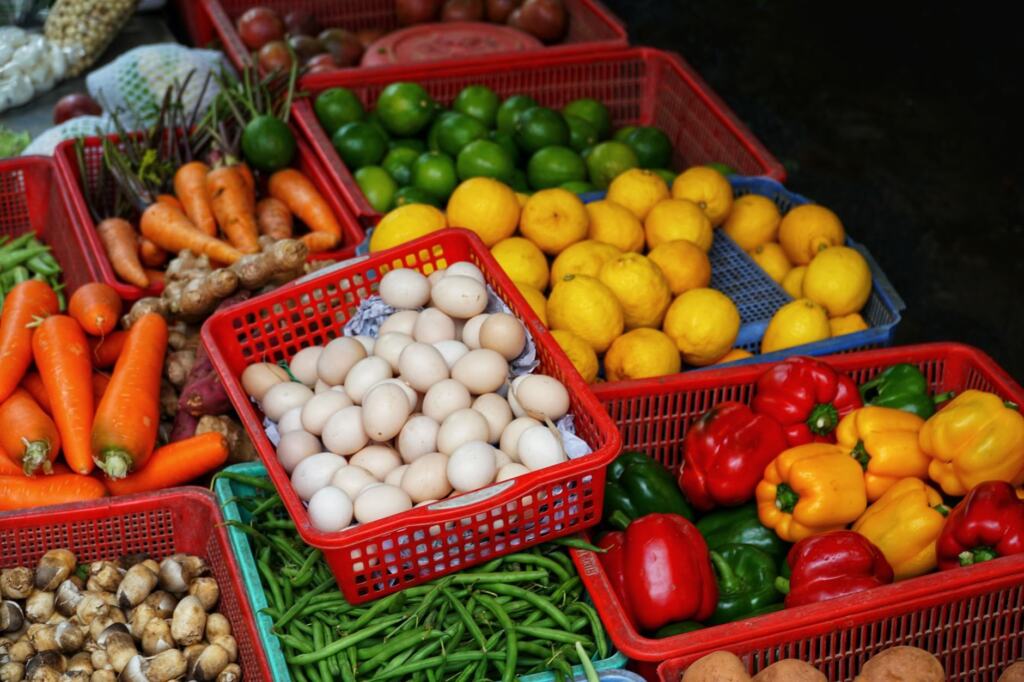
Buy staples before specialty products. Whole foods such as eggs, oats and rice are easy to portion by measure, which makes them the safer base for a first week of prep.
Weekday breakfasts and lunches
Make-ahead breakfasts and lunches suit people who eat at the same time on workdays and want the same decision made once, on prep day.
Overnight oats and chia pudding
Overnight oats and chia pudding are the most forgiving make-ahead breakfasts. The example portion in the Nourish meal plan is ½ cup of oatmeal made with lactose-free milk, topped with chia seeds and strawberries (5 medium). A meal prep guide says these breakfasts keep well when refrigerated in sealed containers, with the window shown in the table above.
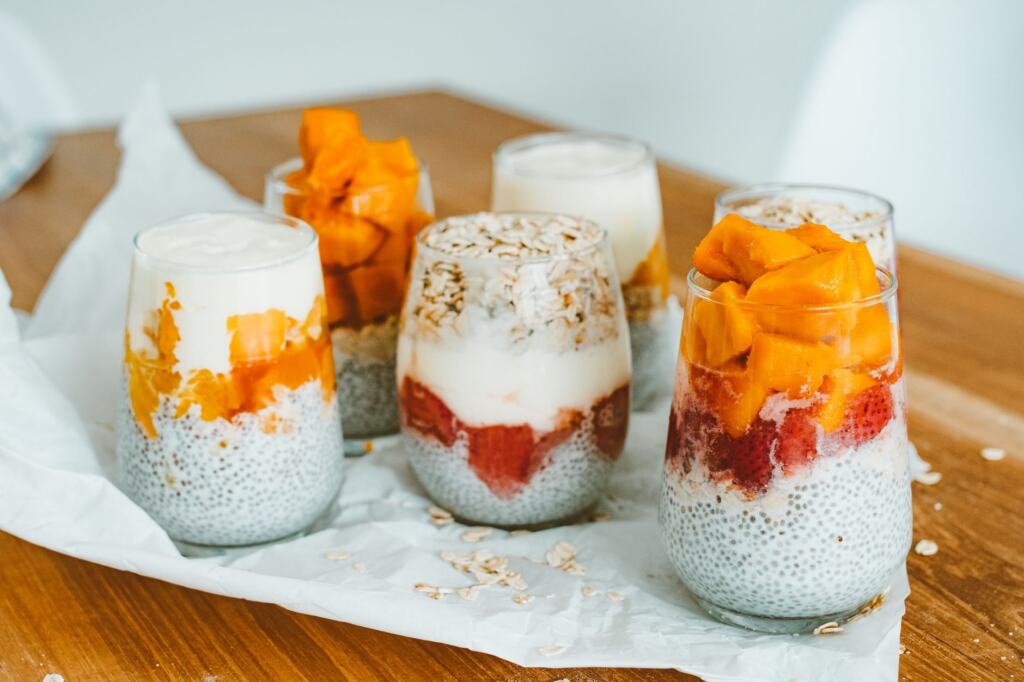
Fill every jar to the same measured portion. Jars that look identical but hold different amounts of oats or fruit make it easy to lose track of serving size over the week.
Make-ahead lunches
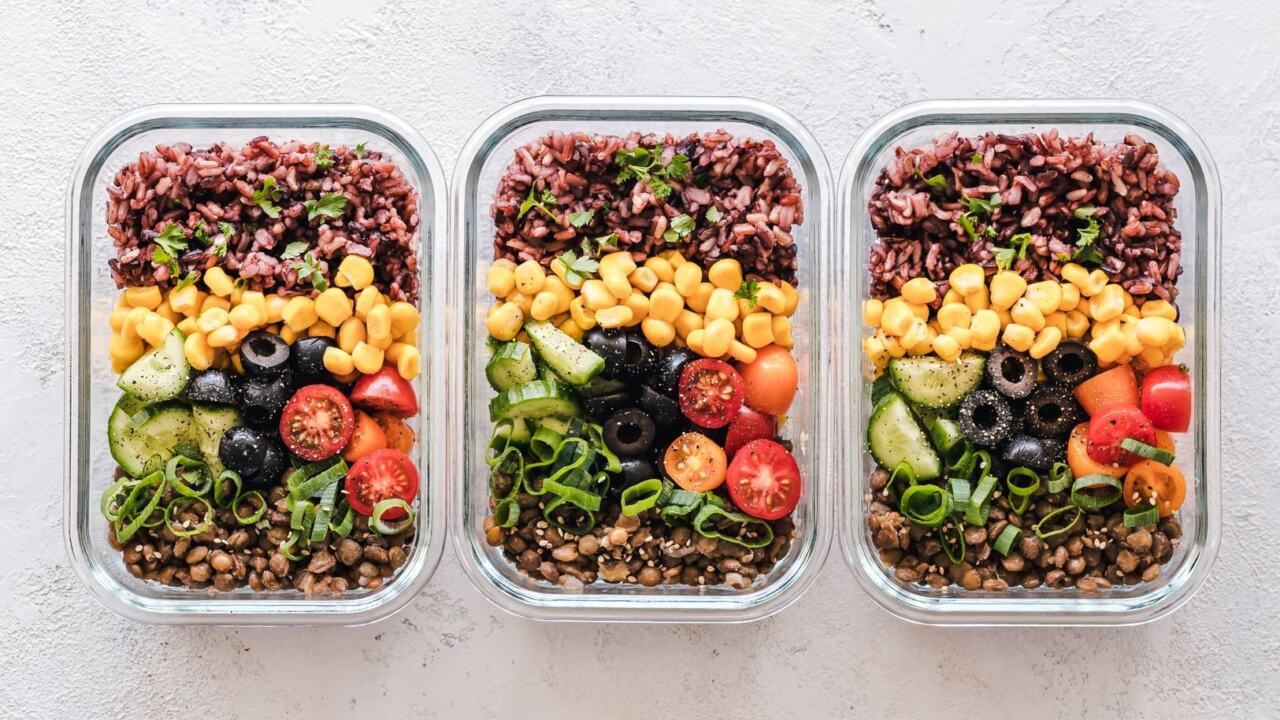
Lunches are easiest when one base, such as rice or quinoa, is cooked in bulk and combined with a protein and a cooked vegetable in single-portion containers. Pack the container once and the lunch is complete, with no assembly at work.
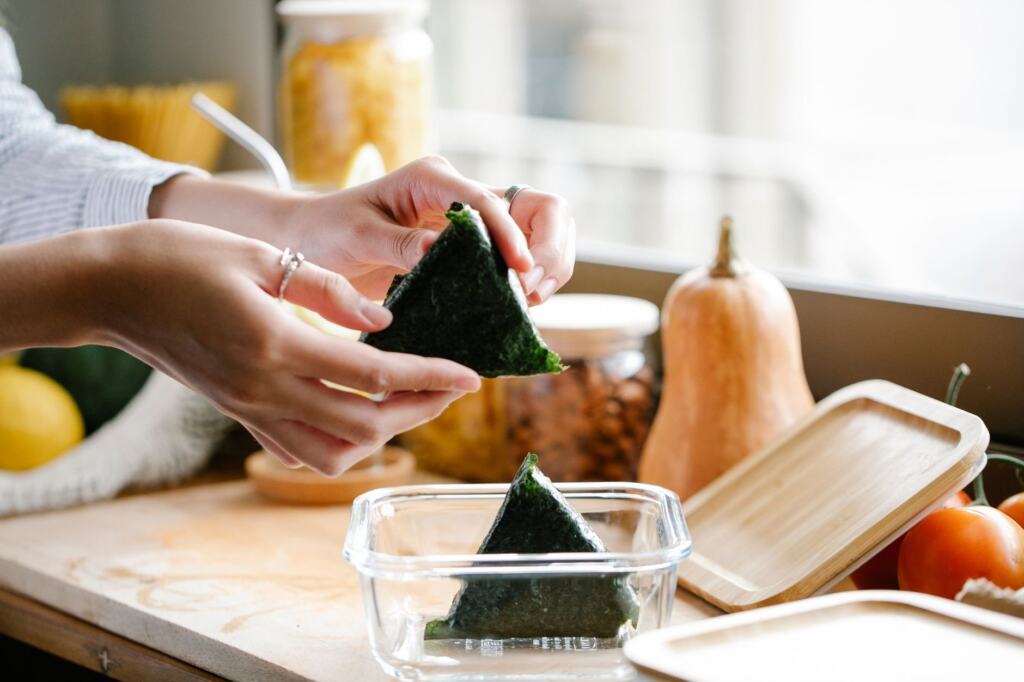
For the protein, a trusted recipe doubled or tripled costs about the same active cooking time, according to the meal prep guide. Chicken is a practical choice, and these low fodmap chicken recipes scale well for lunch boxes. Eat the cooked lunches soonest and move the surplus to the freezer rather than stretching them across the whole week.
Freezer stock for busy stretches
A freezer stock suits anyone who tires of weekly cooking or whose schedule is unpredictable. It turns one prep session into a reserve of ready portions.
Meals that freeze well
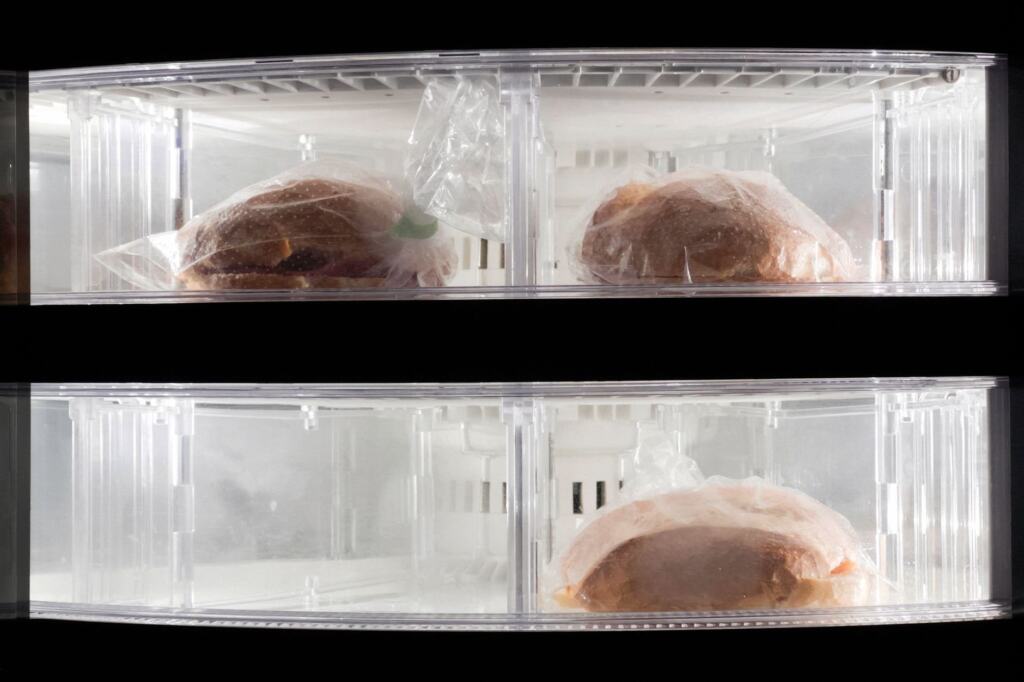
Freezing prepped low FODMAP breakfast portions extends a single prep session across several weeks when each portion is wrapped individually. Treat that timing as applying to wrapped breakfast portions. For soups and cooked grains, portion in the same single-serving way so each pack matches one measured serving.
Labelling and rotating
Label each pack with the dish, the date it was made and the serving it contains. A pack that states its own serving removes the temptation to eat the whole container. Use the oldest packs first, and freeze the batch cooking surplus on the day it is cooked rather than after it has sat in the fridge.
Keeping portions in tolerance
Portion control is where prep succeeds or fails, because a large batch invites larger servings.
Scale the pot, not the plate
Doubling or tripling a recipe increases how much is cooked, not how much any person should eat. The meal plan warns that certain foods become high FODMAP when eaten above the listed serving size. Avoid portion creep by dividing the finished batch into containers before the first meal, so a measured serving is the only thing ever put on the plate.
Check serving sizes in the Monash app
Serving sizes shift as testing continues. A dietitian writing at Desiree Nielsen RD recommends the Monash University FODMAP app because it is constantly updated. Check each batch ingredient there before prep day, especially fruit toppings, grains and anything eaten in larger amounts.
Lactose-free milk and garlic-infused oil swaps
Lactose-free milk replaces regular milk in oats and chia puddings, and garlic-infused olive oil gives sauces and roasted vegetables a garlic flavour without the garlic itself. Both appear in the staples list. When planning what to drink alongside prepped meals, see these low fodmap drinks.
Frequently asked questions
| Question | Answer |
|---|---|
| How long can prepped meals stay in the fridge? | Overnight oats and chia pudding generally last four to five days when refrigerated in sealed containers. Freeze other portions you will not eat soon. |
| How long should the elimination phase last? | It is not recommended long-term, or past four to six weeks. Desiree Nielsen RD describes 4 to 12 weeks of elimination before reintroduction. |
| Do I need a registered dietitian to meal prep this way? | It is not required for batch cooking itself, but a registered dietitian can guide you through the phases, as Nourish notes. |