| Fruit | What is supported | Planning use |
|---|---|---|
| Green kiwifruit | 2 green kiwi fruits per day increased bowel movements in a 2023 trial; peeled raw fruit has 2.13 g of fiber per 100 g | The best-supported whole fruit to start with |
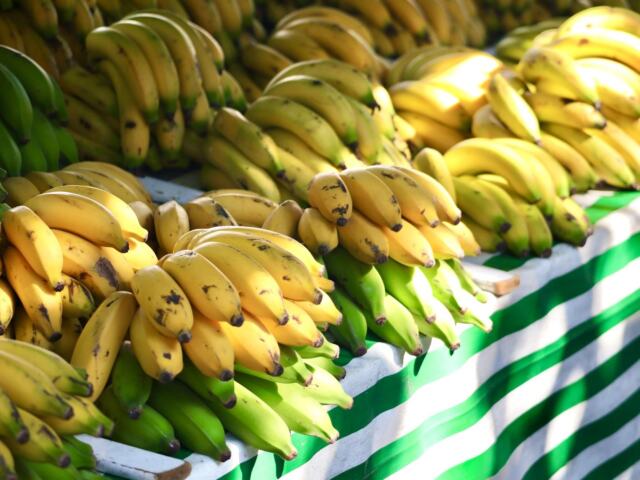
| Unripe banana | Low FODMAP, so may be easier for people with IBS to tolerate | The banana to choose if IBS is part of the picture |
| Ripe banana | High FODMAP, so some people with IBS may need to avoid it | Not a lead choice for constipation; limit if IBS symptoms flare |
| Berries, avocados, oranges | Listed with kiwis among high-fiber fruits that may help prevent constipation | Rotation options once a kiwi routine is in place |
Figures above come from Medical News Today’s food and constipation summary and the USDA-derived kiwifruit nutrient record.
The best fruit for constipation with trial backing is green kiwifruit: 2 green kiwi fruits per day increased bowel movements in a 2023 trial reported by Medical News Today. Bananas depend on ripeness.
This guide ranks whole fruits by what can be supported, and it sits within the wider set of foods that help constipation. Fruit works best alongside other fiber sources, which are covered under high fiber foods for constipation.
Starting point: green kiwifruit
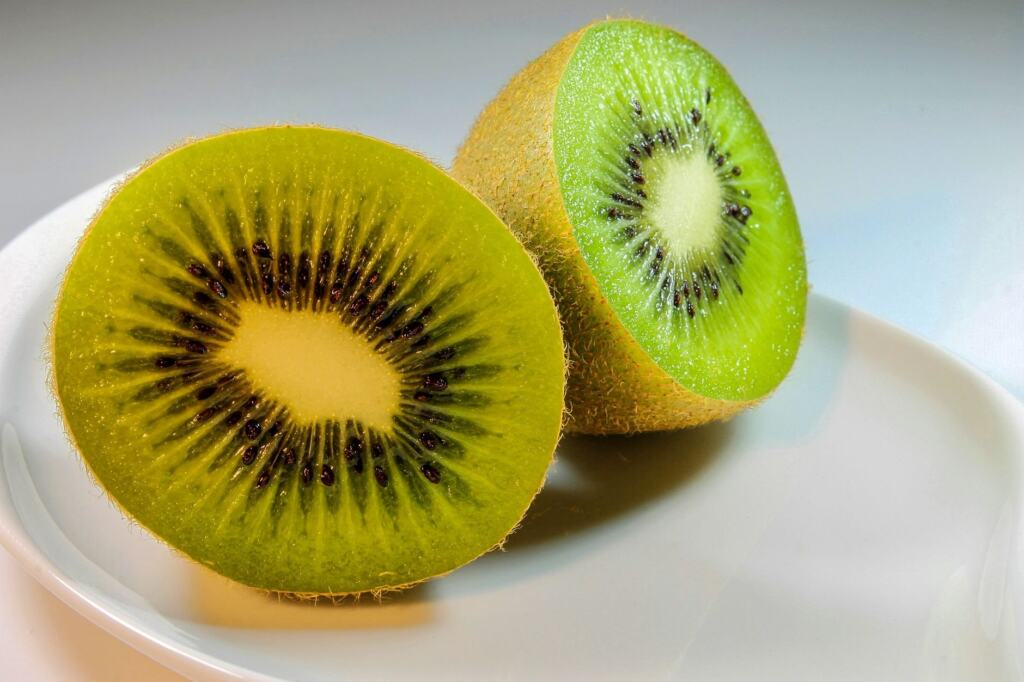
Green kiwifruit is the strongest single answer to “do kiwis help constipation?”. According to Medical News Today, eating 2 green kiwi fruits per day can increase bowel movements among people with functional constipation or IBS, based on a 2023 trial. That is a specific, tested serving, which makes kiwi easier to act on than most fruit advice.
The fiber count alone does not explain the appeal. The USDA-based record at Edacious gives peeled raw green kiwifruit a mean of 2.13 g of fiber per 100 g, within a measured range of 1.58 to 2.75 g. That is a modest figure, so the trial result is a better reason to choose kiwi than a fiber tally. The same record lists 83.8 g of moisture per 100 g, 8.56 g of total sugar, 58.8 mg of vitamin C and 65.1 kcal, so kiwi is a light, water-rich fruit rather than a dense one.
Kiwi suits anyone who wants a defined, repeatable habit, such as a daily portion eaten with breakfast or as an afternoon snack. Because the trial used a fixed daily amount, copying that amount is more sensible than eating kiwi sporadically in larger servings. Next to kiwi, the everyday orchard fruits deserve a place in the routine.
Next step: pears and apples
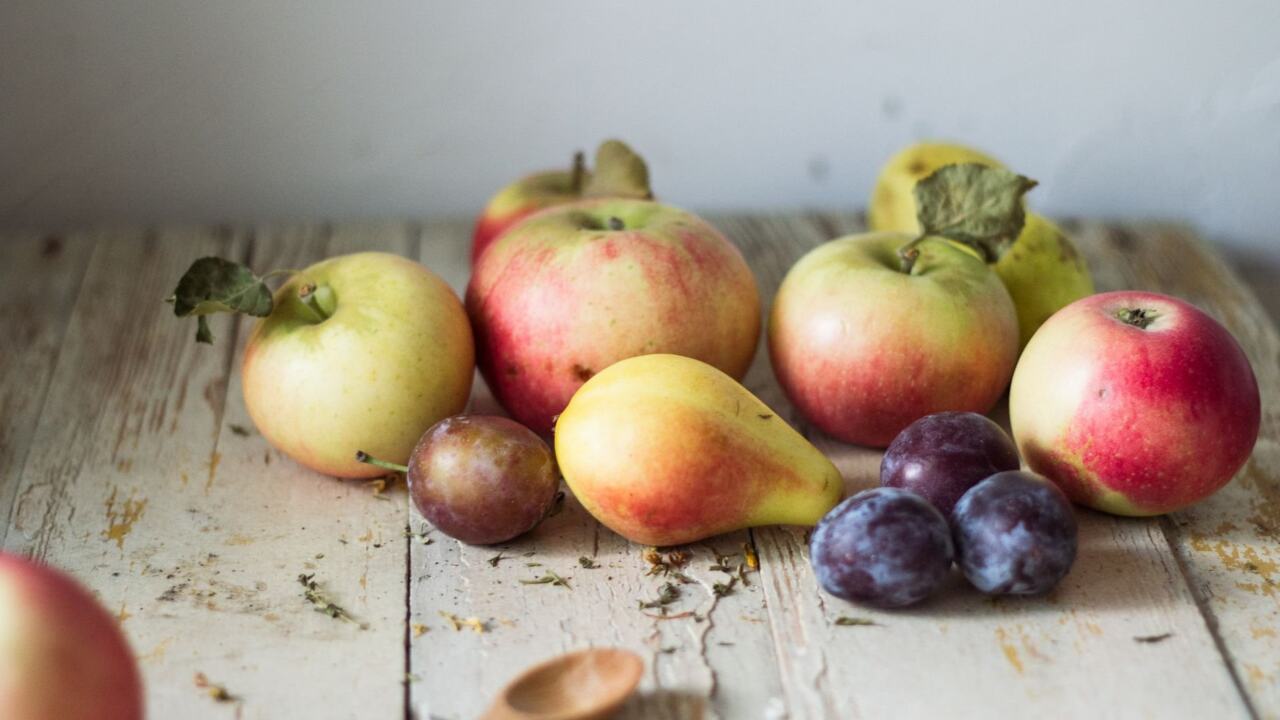
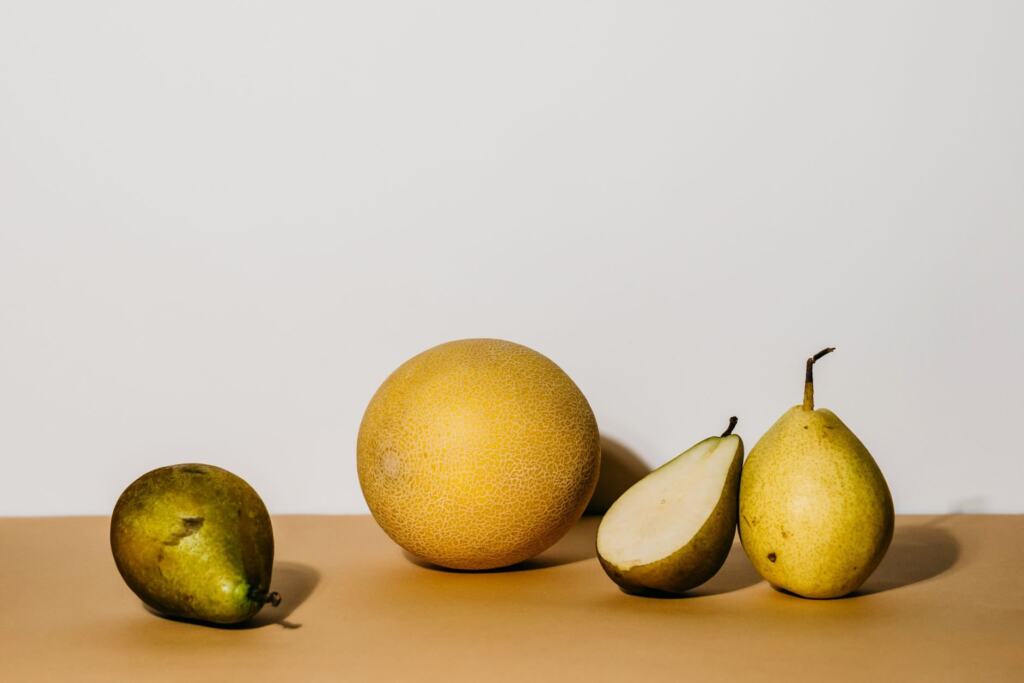
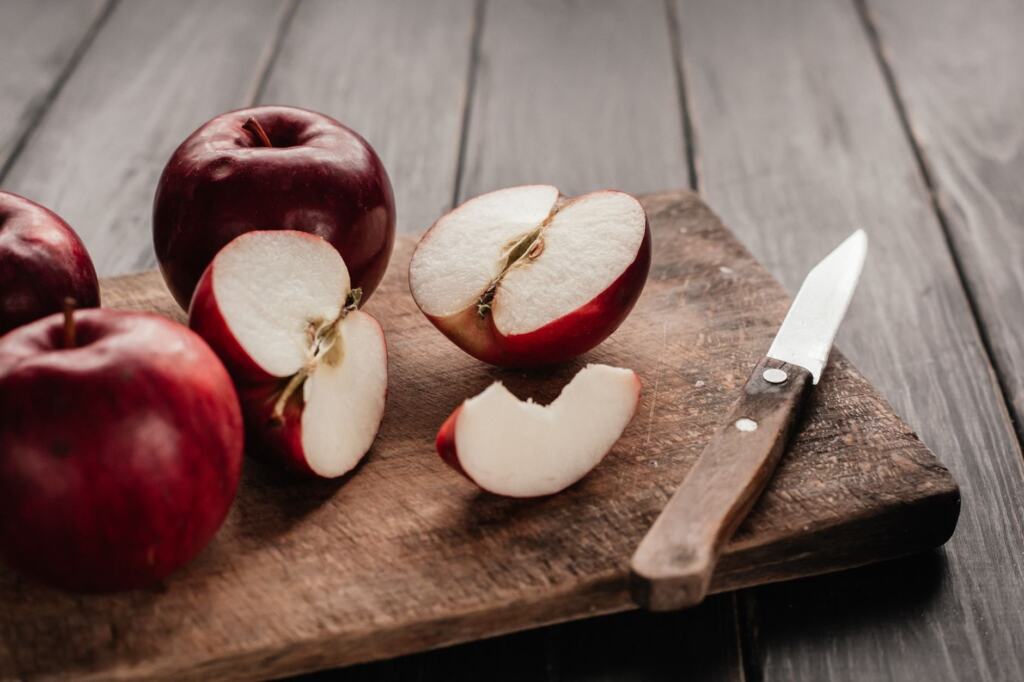
Pears and apples are the practical supporting fruits. They are cheap, easy to carry and familiar. For readers searching “pears for constipation” or “apples and constipation”, the sensible position is that they are whole-fruit fiber sources to rotate in, while kiwi remains the fruit with a trial behind it.
Fiber is a carbohydrate the body does not break down, according to the nutrient record for kiwifruit. That is the reason to eat pears and apples whole and sliced rather than stripped down: leaving the skin on keeps the fruit intact. The photographs in this section show skin-on fruit for that reason.
Sorbitol is the other name that comes up with pears and apples. It is a polyol, and Medical News Today notes that FODMAPs include polyols alongside oligosaccharides, disaccharides and monosaccharides. For most readers this is background. For anyone with IBS who already tracks FODMAPs, it is a reason to introduce pears and apples in small portions and watch the response before making them daily staples.
The choice between the two comes down to preference and tolerance. Pick the one that is easier to eat every day, because a fruit that is eaten regularly does more than a better fruit that stays in the bowl. Bananas need more careful handling than either.
Bananas: ripe, unripe and the constipation question
Bananas are neither a clear good nor a clear bad for constipation, and ripeness is the deciding variable for people with IBS. Medical News Today reports that unripe bananas are low FODMAP and may be easier for people with IBS to tolerate, while ripe bananas are high FODMAP according to Monash University, so some people with IBS may need to avoid them.
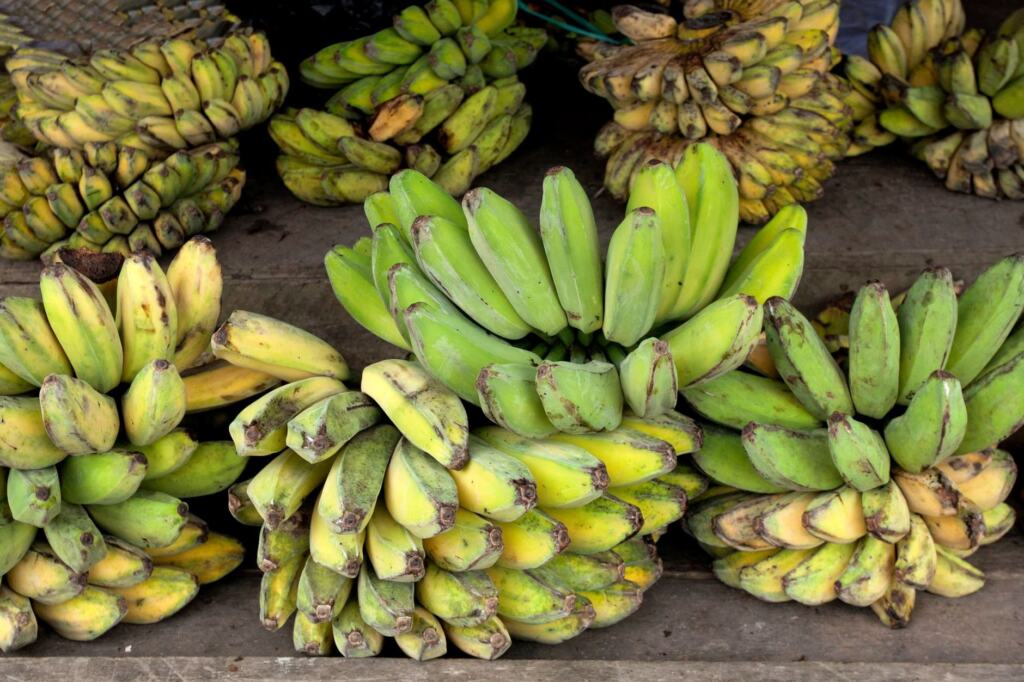
There is a second reason for caution. The same article notes that bananas belong to the BRAT diet, which was previously used for diarrhea, and says these foods may not be a good option for people who have constipation. Taken together, bananas should not be the lead fruit for constipation relief.
- Constipation without IBS: bananas are not harmful in themselves, but kiwi, pears and apples are better-supported choices to put first.
- Constipation with IBS: an unripe banana is the safer option, and a ripe one is the version to be careful with.
- Unsure of tolerance: treat a banana as a test portion on its own, not as part of a mixed fruit bowl.
Other fruit to rotate in
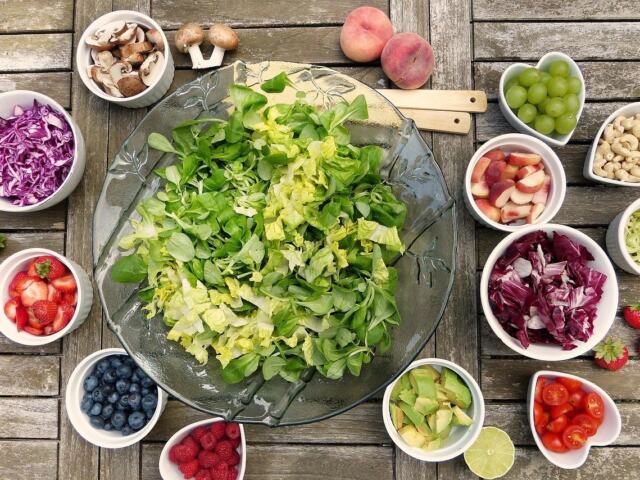
Variety keeps a fruit-based routine sustainable. Medical News Today lists kiwis, berries, avocados and oranges among the fruits that are high in fiber and may help prevent constipation. Berries, avocados and oranges therefore make sensible rotation fruits when kiwi, pears or apples become repetitive.
Prunes have their own evidence. A 2018 study linked eating prunes with more frequent bowel movements among adults on low-fiber diets, as reported here. Because prunes are dried and often drunk as juice, they sit in a separate category from the whole fruits above, and the details are set out in the guide to prune juice for constipation.
Building a fruit routine that works
A fruit routine works best when it is built in stages, with one change at a time so any effect can be traced to a cause.
- Begin with kiwi. Use 2 green kiwi fruits per day, the amount used in the 2023 trial, and keep that amount steady while the routine settles.
- Add one orchard fruit. Choose a pear or an apple, eaten whole with the skin on, as a separate snack rather than in place of the kiwi.
- Hold banana until last. Add it only after the other fruits are established, and choose an unripe banana if IBS is a concern.
- Rotate through berries, avocados and oranges. Use them to prevent boredom, not to raise the total sharply.
Pace matters as much as the choice of fruit. Medical News Today advises increasing fiber intake slowly to prevent a constipating effect, so a sudden switch to a large amount of fruit can backfire. If a fruit seems to make symptoms worse, drop it and return to the last stable step.
Frequently asked questions
How much fiber should daily eating add up to?
Medical News Today reports a recommended range of 19 to 38 grams of fiber per day, depending on age, sex and stage of life. Fruit is one contributor, so it works best alongside vegetables, legumes and whole grains.
Do berries, avocados and oranges help as much as kiwi?
They are listed among high-fiber fruits that may help prevent constipation, but the kiwi trial is the more specific evidence. Use them as variety rather than as replacements for the kiwi habit.
Are prunes a better choice than whole fruit?
Prunes have their own 2018 study showing more frequent bowel movements among adults with low-fiber diets. They are a strong option, but they fall outside the whole fruits compared here, so they can be added alongside kiwi rather than instead of it.