Hard, dry or infrequent stool usually responds best to foods that help constipation: fiber from fruit, vegetables, legumes and whole grains, prunes for their sorbitol, and enough fluid. Sudden changes, pain, weight loss or blood call for a doctor instead.
This page shows how fiber, fluid, prunes and a few daily habits fit together, and where food alone stops being the right tool. For food-by-food detail, the guide to high fiber foods for constipation goes deeper.
Choose your starting route
Constipation has different causes and urgency levels, so the right first move depends on your situation. Pick the line that matches yours and read that section first.
- Stool is hard and trips are rare, with nothing else wrong. Start with fiber and fluid, covered in the fiber, food-list and fluids sections below.
- You want relief sooner. Go to the prunes, magnesium and psyllium section, then the section on faster relief.
- You suspect your meals are part of the problem. Read the section on foods that can make constipation worse.
- Constipation sits alongside a diagnosis of irritable bowel syndrome. Read the section on IBS-type constipation before changing your fiber.
- There is pain, bleeding, weight loss or a sudden change in habit. Skip straight to the doctor section.
What constipation is and what moves stool along
Constipation means bowel movements that occur less often than expected, or stool that is hard, dry and difficult to pass, as Harvard Health describes it. The definition has two parts, frequency and stool quality, and either one can be the problem. Someone who goes regularly but strains over small, hard stools is constipated in the same practical sense as someone who goes rarely.
Food acts on both parts. Fiber changes the bulk and water content of stool, and certain sugars and mineral salts draw water into the large intestine. Gut motility, the contraction of the intestines that pushes contents along, responds to activity, meal timing and, with stimulant laxatives, direct chemical prompting. A food-first plan works on the first of these directly and on the second indirectly, which is why the guidance below is organized around bulk, water and movement rather than a single magic food.
This framing also explains why a list of foods is only half an answer. The same item can help one person and stall another, depending on what else is on the plate, how much fluid goes with it and how the rest of the day moves. The sections that follow keep those conditions attached to each food.
Fiber first: choosing the type that suits your stool
Dietary fiber is the most reliable food-based tool for constipation, but the two main types behave differently. Choosing between them is more useful than simply eating more of everything labelled high fiber.
Soluble and insoluble fiber compared
Soluble fiber absorbs water and turns to a gel, which slows digestion. Insoluble fiber does not absorb water, adds bulk to stool and can speed its passage. Most whole foods contain a mix, but the lists below show where each type is concentrated.
| Fiber type | What it does in the gut | Typical food sources | Planning use |
|---|---|---|---|
| Soluble fiber | Absorbs water and forms a gel, which slows digestion | Apples, bananas, barley, oats, beans | Suits stool that is hard and dry because it holds on to water. Build breakfasts and side dishes around these foods. |
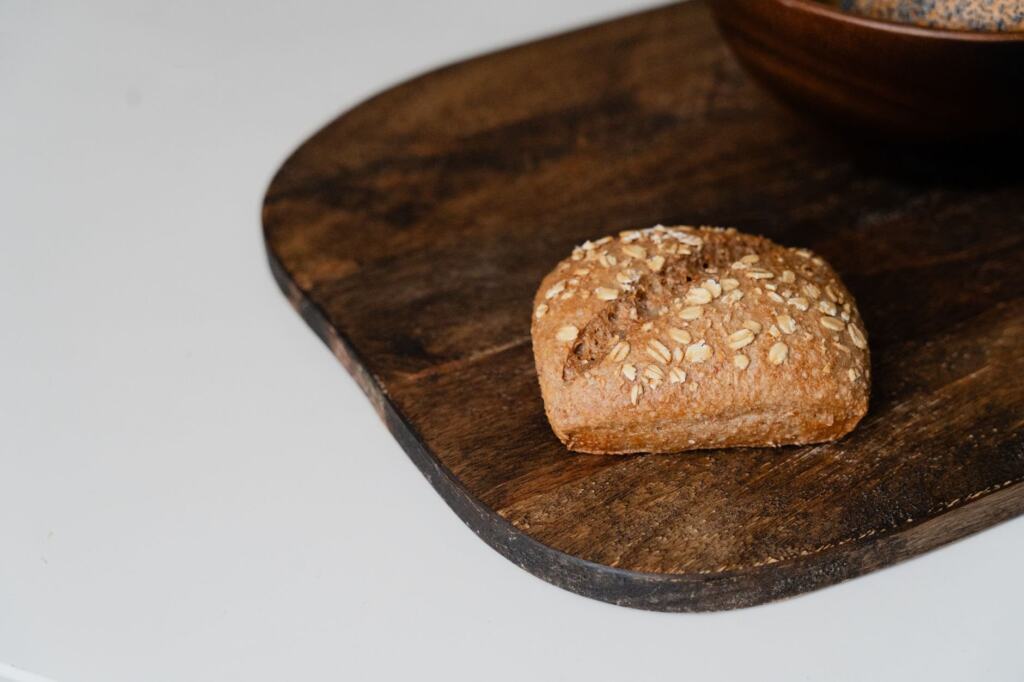
| Insoluble fiber | Does not absorb water, adds bulk to stool and can speed passage | Wheat bran, most vegetables, whole grains, legumes | Suits stool that is small and slow to move. Use it in whole-grain bread, vegetables at lunch and dinner and bran-based cereals. |
| Psyllium husk (soluble fiber supplement) | Soluble fiber taken as a supplement | Bulk-forming fiber products | Useful when meals alone fall short, but always taken with plenty of fluids. |
Fiber types and sources are drawn from Harvard Health and UCSF Health.
The practical reading of the table is that you rarely need to pick a side. A bowl of oats with apple and a lunch of beans, vegetables and whole-grain bread covers both columns without any tracking. The type matters most when something is going wrong, for example when a bran-heavy plan leaves stool bulky but still hard because fluid is low.
Setting a daily fiber target
UCSF Health gives a narrower goal for people dealing with constipation, about 20 to 30 grams per day.
If your current intake is low, your target is a direction of travel more than a number to hit on the first day. A dietitian can place you within the adult range, and that is the right step if you have other conditions that affect what you can eat.
Fiber-rich foods worth keeping on hand
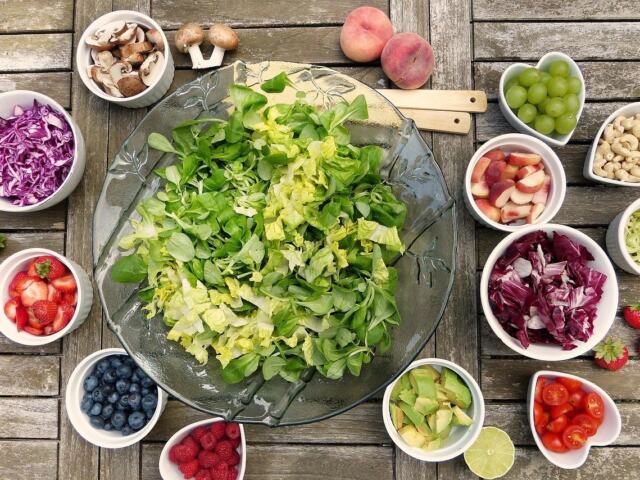
A constipation-friendly kitchen leans on a handful of dependable categories rather than one hero food. The breast cancer care guidance on constipation and diet lists legumes, whole grains, vegetables, fruits, seeds and nuts as the fiber-rich groups to draw from.
Fruit
The same guidance names plums, kiwis, avocados, oranges, pears, raspberries, figs and apples among fiber-rich fruits. Apples and bananas also appear on UCSF Health’s list of soluble fiber sources. Fruit is the easiest category to add because it needs no cooking and slots into breakfast or snacks. For a ranked and compared list, see the best fruit for constipation.
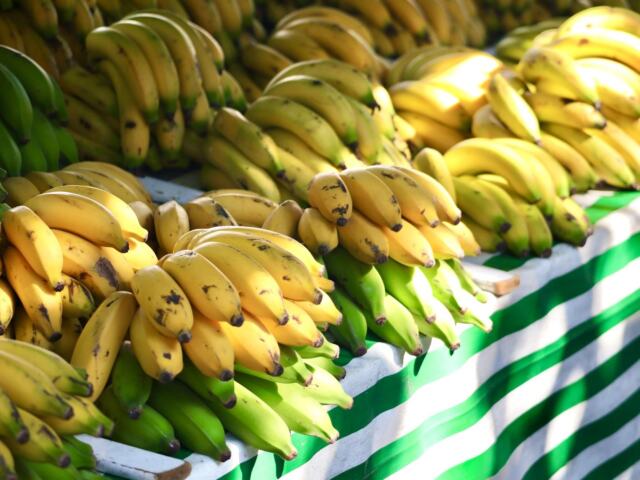
Bananas deserve a note because they are often blamed for constipation. UCSF Health counts them as a soluble fiber source, and the specific question of do bananas cause constipation has its own page that weighs both sides.
Vegetables, legumes and whole grains
Most vegetables are good insoluble fiber sources, and legumes appear on both the insoluble and the fiber-rich lists, while beans also count as soluble fiber. That double role makes beans and lentil-type dishes one of the more efficient ways to add fiber to a main meal. Whole grains and wheat bran add insoluble fiber, and barley and oats add the soluble kind. Browse the best vegetables for constipation for ideas on which to cook and how.
The simplest strategy is to make one fiber-rich item the base of each meal. Whole-grain bread or barley at lunch, beans or legumes at dinner and vegetables beside both give a steady spread across the day instead of a single fiber-heavy meal.
Seeds, nuts and oats
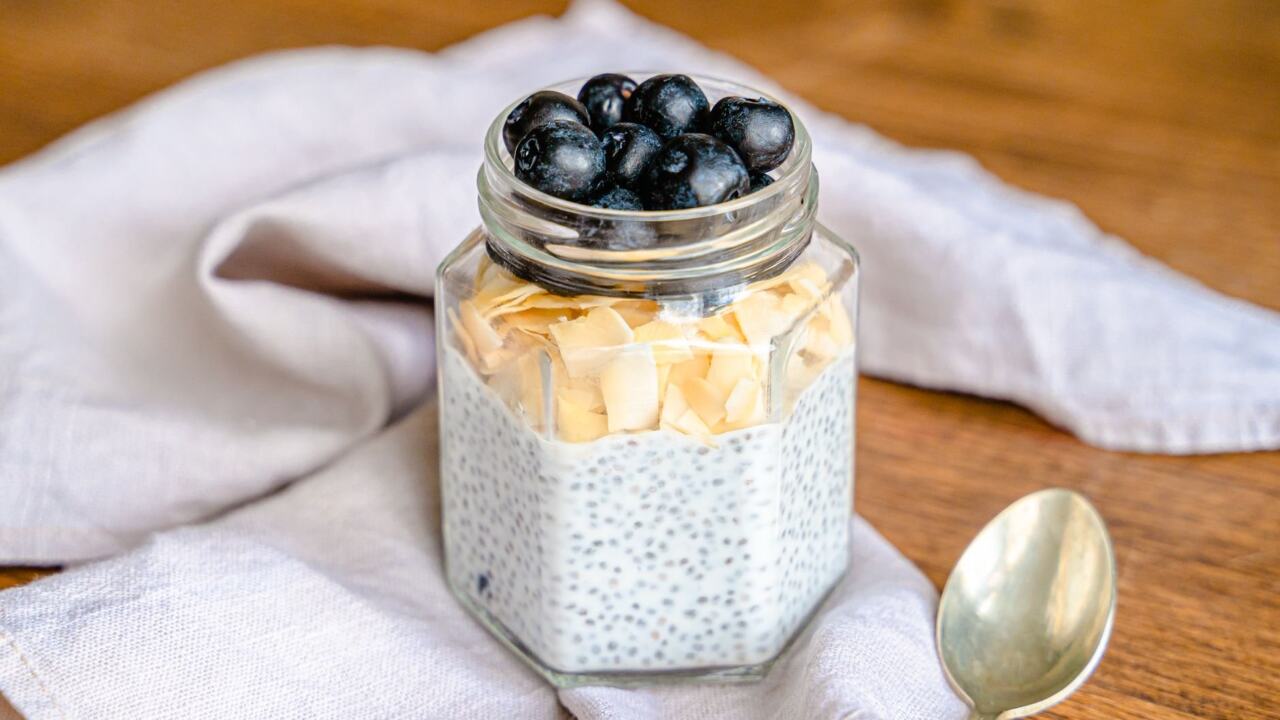
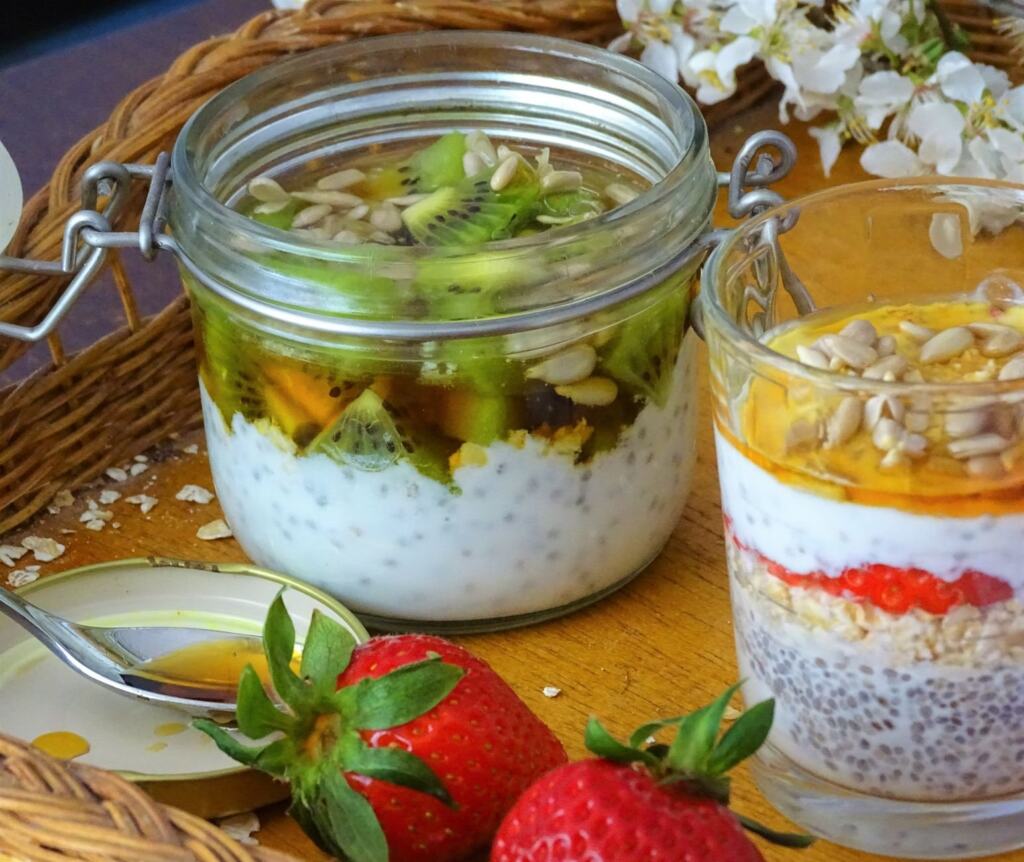
Chia and flax are named as high-fiber seeds on the breast cancer care list, and nuts appear in the same group. Seeds work well because they can be stirred into foods you already eat. A fuller walkthrough is in the guide to chia seeds for constipation, and the equivalent for ground seeds is flaxseed for constipation.
Oats are a soluble fiber source according to UCSF Health, which makes oatmeal a natural breakfast anchor. Add fruit or seeds and the bowl draws on several categories at once. If oatmeal is your main question, is oatmeal good for constipation looks at it in detail.
Prunes, magnesium and psyllium husk
Three items sit between ordinary food and a laxative, and each works through water rather than force. They suit people whose stool is hard and who want a stronger push than meals alone, without reaching for a stimulant.
Prunes. According to breast cancer care guidance, prunes contain the highest amount of natural sorbitol, which helps bring water to the intestines. That water is the mechanism, so prunes work best alongside adequate hydration rather than in place of it. The details of serving form are covered in the guide to prune juice for constipation.
Magnesium. Harvard Health explains that osmotic laxatives use natural salts, magnesium salts or undigested sugars to draw water into the large intestine and soften stool. Magnesium citrate appears in the breast cancer care list of natural laxatives. Magnesium here is a supplement or laxative question rather than a food one, so check with a pharmacist or clinician before using it, particularly if you take other medicines.
Psyllium husk. Harvard Health identifies psyllium as a soluble fiber, the active ingredient in a widely used fiber supplement, and advises drinking plenty of fluids when taking supplements. The breast cancer care list also places psyllium husk among natural laxatives alongside senna and magnesium citrate. Psyllium suits someone who eats reasonable fiber but cannot reach their target through food alone, and the fluid condition is not optional.
Fluids and drinks
Water is the condition that makes fiber work. Fiber that absorbs water needs water to absorb, and prunes and psyllium both depend on it, which is why every plan above carries a fluid condition.
Two sources give general amounts. Harvard Health says most people need about four to six cups of plain water each day, while breast cancer care guidance says experts recommend that all adults drink 6 to 8 glasses of water a day. The two ranges overlap loosely, and the practical reading is a starting band rather than a target to force. If your fiber is rising, lean toward the higher end and drink more with supplements. For a closer look, does drinking water help constipation goes through the question on its own.
Warm drinks are a separate choice from water because many people find them part of a morning routine. Options and cautions are on the page about tea for constipation.
Foods that can make constipation worse
Constipation is rarely caused by a single food. It is more often the pattern of a diet that is low in fiber and heavy in items that slow digestion. The full catalogue of those items is in the guide to foods that cause constipation, and the main groups are below.
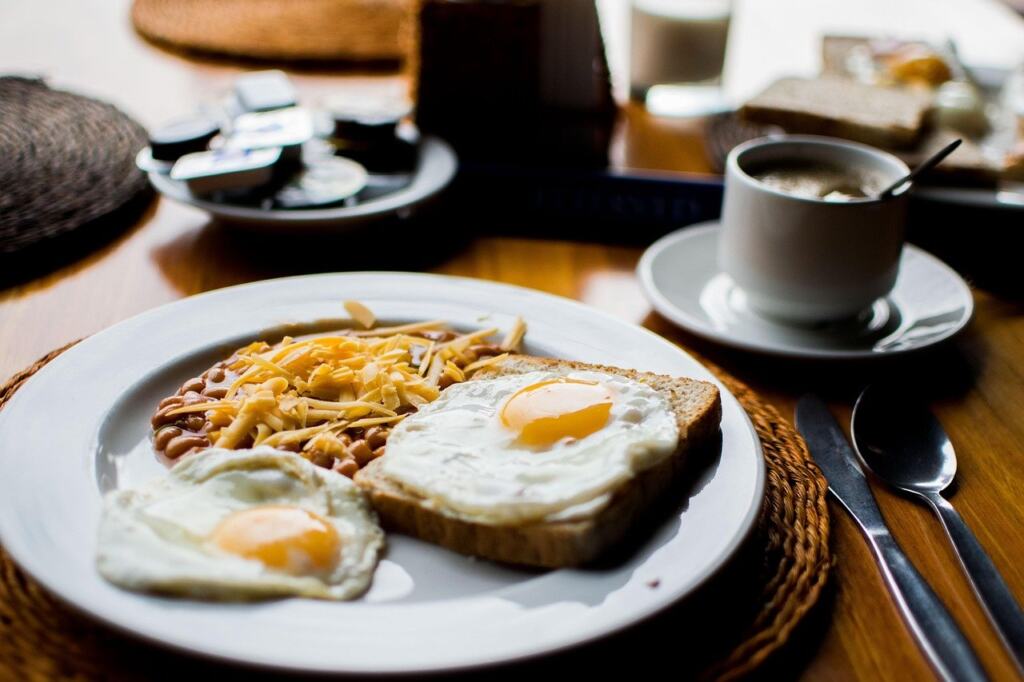
High-fat, low-fiber foods. The breast cancer care guidance says foods high in fat and low in fiber, such as cheese, red meat and eggs, can slow digestion. The issue is the combination: a plate built around those items with no vegetables, grains or legumes leaves stool with little bulk. Cheese and dairy raise a common question, which the page on does dairy cause constipation addresses directly.
Ultra-processed, high-sodium foods. The same guidance lists french fries, pastries, packaged snacks and frozen meals, noting that they can pull water from the intestines. Harder stool follows when water leaves the gut, so these foods compound the effect of low fluid intake. UCSF Health gives the broader instruction to limit highly refined and processed foods.
Everyday ingredients people suspect. Single ingredients raise their own questions, and each has a dedicated page: does coffee cause constipation, does alcohol cause constipation, does rice cause constipation, can gluten cause constipation and does olive oil help constipation.
The judgement call is to adjust the pattern rather than ban foods. Keep the cheese and eggs you enjoy, and make sure fiber-rich foods and fluids share the plate. Cutting out entire groups without a clear reason removes sources of nutrients and rarely fixes constipation by itself.
A food-first day
A workable day combines fiber types, includes a fruit that brings water into the gut and keeps fluids moving. The sample below uses only foods named in the fiber lists above and is a template rather than a prescription.
- Start with oats or porridge. Oats supply soluble fiber, and toppings of fruit, seeds or nuts widen the mix.
- Build lunch on whole grains and legumes. Whole-grain bread or barley with beans and vegetables covers both insoluble and soluble fiber in one meal.
- Keep a fiber-rich snack within reach. Apples, kiwis, pears or a few prunes are all on the lists above and need no preparation.
- Finish with vegetables and legumes. A dinner centered on vegetables, with beans or lentil-type dishes, completes the day without leaning on processed foods.
- Keep water close all day. Fiber and prunes both rely on it, so make it the default drink.
The pattern matters more than any single meal. A day that relies on refined snacks and low fluids undoes a good breakfast, and a modest but consistent day beats an occasional heroic one.
When you need relief sooner
Food works on stool by adding bulk or drawing water, not by forcing a contraction, so treat it as a steady approach rather than an instant fix. If you are searching for foods that make you poop immediately, the honest answer is that food-based tools are gradual, and the fastest options are medicines rather than meals.
For a food-first push, combine the water-drawing items: prunes for their sorbitol, soluble fiber with generous fluids, and fiber-rich meals that give stool bulk. These work through water and volume, so give them a run of regular days before judging them.
Stimulant laxatives are a different mechanism. Harvard Health explains that they relieve constipation by causing the intestines to contract more frequently or more forcefully. Taken by mouth they can cause a bowel movement in 6 to 8 hours, and as a suppository they can work in 15 to 60 minutes. That speed comes from forcing gut motility, which is why they belong in a pharmacist or clinician conversation rather than a food plan. If you find yourself reaching for them often, that is a signal to move to the doctor section below.
IBS-type constipation needs a different approach
Everything above assumes ordinary constipation. When constipation is one part of a longer pattern of bowel trouble that has been labelled irritable bowel syndrome, the food plan needs more personalization. A strategy that suits simple constipation, such as a sharp rise in fiber, a daily prune habit or a new supplement, may need adjusting for that pattern.
The practical advice is to let a clinician or dietitian who knows the diagnosis decide which fiber types to push and which foods to trial. The general principles here, fluids with fiber, a mix of soluble and insoluble sources and a diet that is not built on refined foods, remain useful background. The specifics belong with someone who has the full picture.
If you are unsure whether your constipation fits that pattern, the questions to bring to an appointment are how long the pattern has lasted, whether pain or bloating comes with it and whether your habits have recently changed. Those details point a clinician toward the right route.
When to see a doctor about constipation
Food and fluid changes suit constipation without warning signs. UCSF Health lists a sudden change in bowel habits, pain, weight loss, fatigue or bloody stools as reasons to seek medical advice, and these should not be managed with diet alone.
Harvard Health adds a second trigger: if self-care treatments do not work and the constipation is severe, see a doctor. In practice that means a food-first plan deserves a fair trial, but it is not meant to run indefinitely when it is not helping. Dependence on laxatives to go at all is a further reason to book an appointment rather than adjust your own plan.
Frequently asked questions
| Question | Answer |
|---|---|
| How often should a healthy adult have a bowel movement? | Harvard Health notes that most healthy adults go anywhere from three times a day to three times a week, so a lower frequency alone is not always a problem. Stool that is hard, dry or difficult to pass counts regardless of frequency. See Harvard Health. |
| What counts as a good fiber source on a food label? | UCSF Health says good sources have 2 grams of fiber or more. Use that as a quick screen when comparing breads, cereals and snacks. See UCSF Health. |
| Does walking after a meal help? | Breast cancer care guidance suggests going for a walk 10 or 15 minutes after finishing a meal to get things moving. It is a low-cost addition to any food plan. See breastcancer.org. |
| Can I use laxatives for the long term? | Long-term use is not recommended, and side effects can include bloating, nausea and diarrhea. If you need them regularly, speak to a doctor about the underlying cause. See breastcancer.org. |