Stools have slowed and you want to try food first. Chia seeds for constipation work best soaked into a gel and introduced slowly, with plenty of water alongside.
- Soak first. Soaked chia forms a gel, and that is the form to eat.
- Start small. Raise the amount over about a week rather than all at once.
- Pair it with water. If bloating or gas appears, hold or drop back to the last comfortable amount.
Chia is one of several foods that help constipation. This guide covers only how to prepare chia, which format to choose, and how to build up the dose safely.
What chia seeds can do for constipation
Chia seeds are a concentrated fibre food that can support regularity. They are not a quick fix or a cleanse. A Houston Methodist article notes that chia has about 5 g of fibre per 1 Tbsp of dry seeds, and a gastroenterology practice puts a 1 oz (about 28 g) serving at 10 g of dietary fibre. Because a small spoonful carries that much fibre, the amount you eat matters as much as the seeds themselves.
The mechanism is straightforward. Fibre adds weight and size to stool and softens it, according to the same gastroenterology guidance. Chia’s fibre is largely soluble, which Piedmont Healthcare describes as a type that lets more water remain in the stool. A primary care provider at Impact Family Wellness says chia can help support regularity, which is a realistic expectation: a helpful daily food, not a treatment.
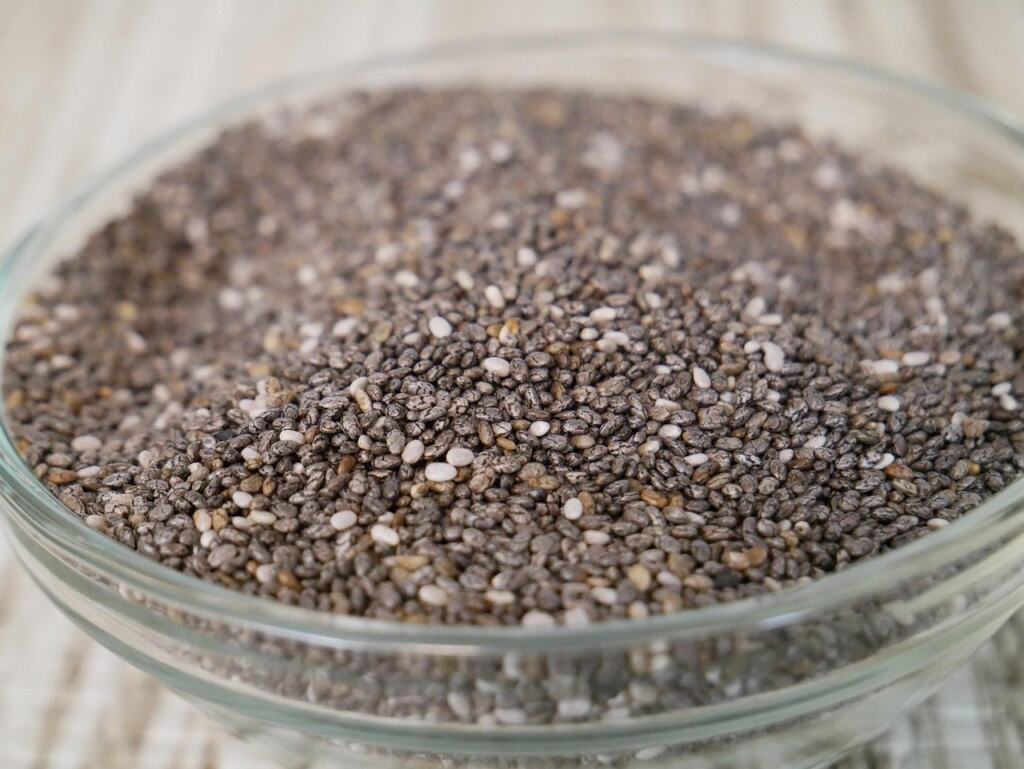
Step one: soak the seeds into a gel
Soaking is the one step you should not skip. When soaked, chia seeds absorb liquid and form a gel-like coating, the soluble-fibre mucilage that gives chia water and pudding their texture, as Impact Family Wellness explains. Their basic method is:
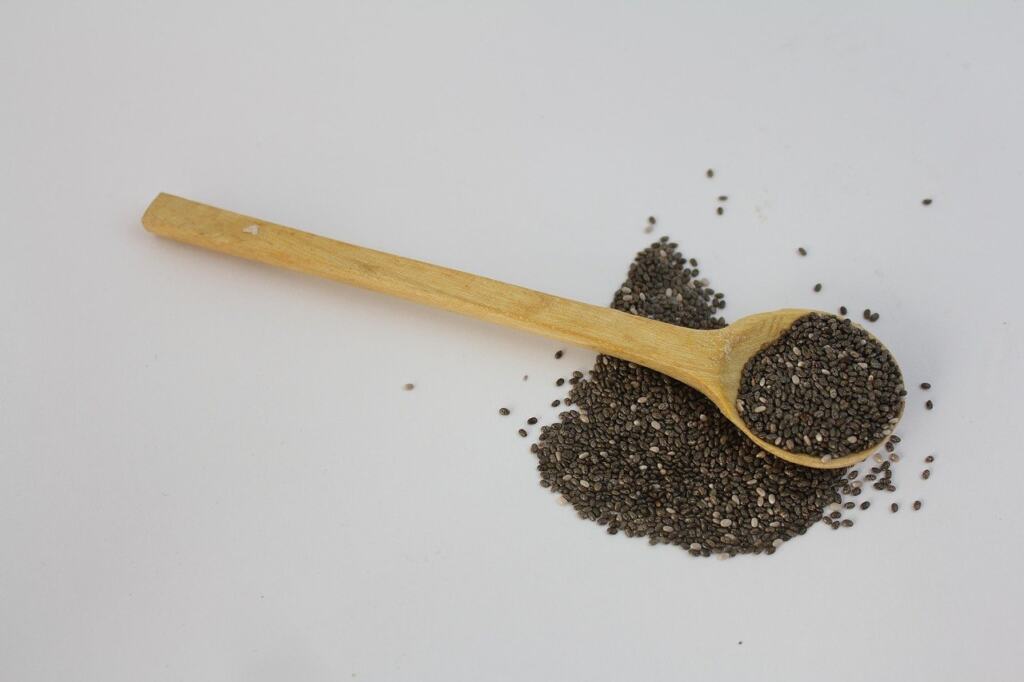
- Measure the seeds. Use 1 Tbsp of chia.
- Add the water. Stir the seeds into 1–2 cups of water. Use the larger amount if you prefer a thinner, more drinkable result.
- Wait for the gel. Let it soak for 15–30 minutes until it forms a gel.
The same practitioner’s advice is blunt: always soak chia first, because hydration is key. That rule matters most if you have swallowing difficulty or a sensitive gut, which the safety section below covers. The next decision is the format.
Step two: pick chia water or chia pudding
Chia water suits a quick start, and chia pudding suits anyone who dislikes drinking a gel. Neither format is shown to be better for constipation, so choose the one you will actually repeat. Houston Methodist adds that you do not need to suspend chia seeds in water to get their benefits.
Chia water
Use the soaking ratio above, then drink the mixture soon after. Houston Methodist says to drink it within two hours or refrigerate it, because the seeds can sprout if left too long. A slice of lemon is an easy flavour addition for those who find plain chia water dull.
Chia pudding
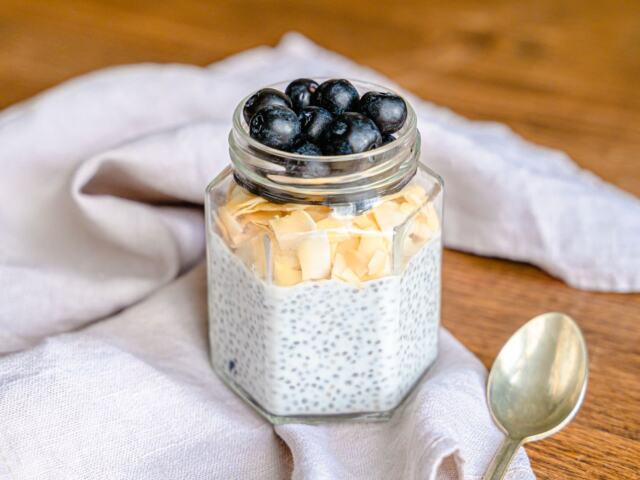
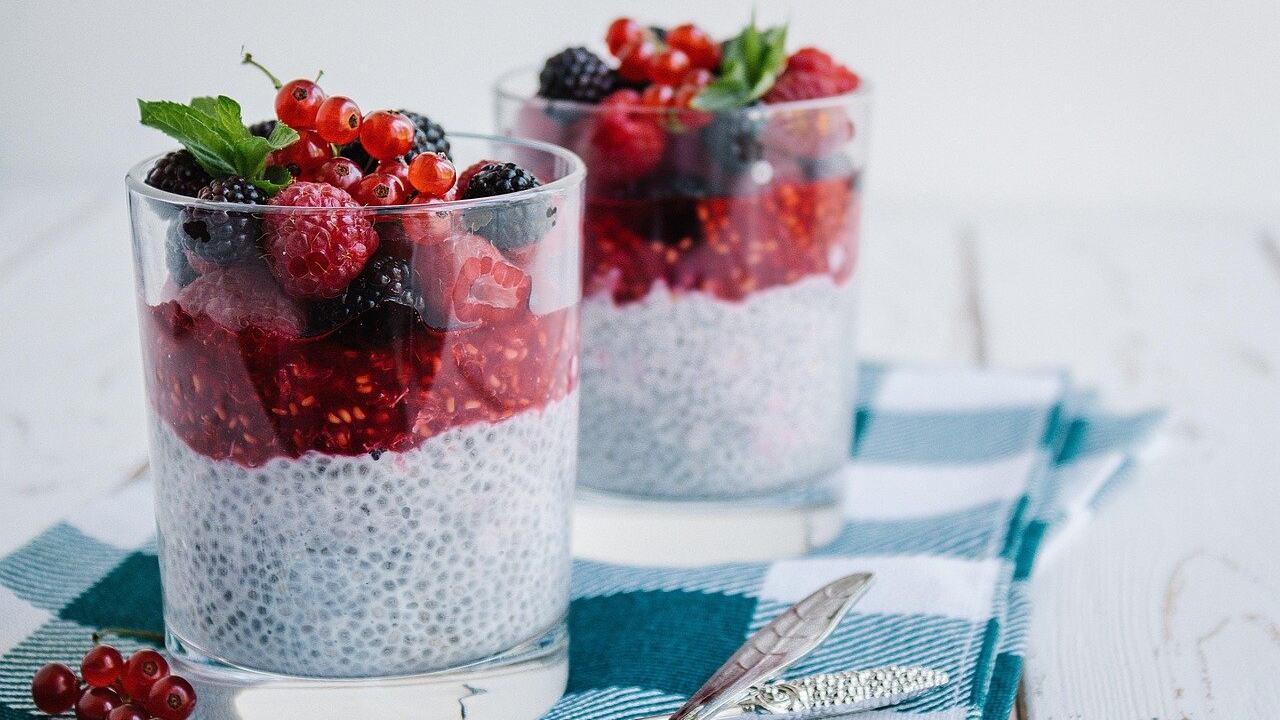
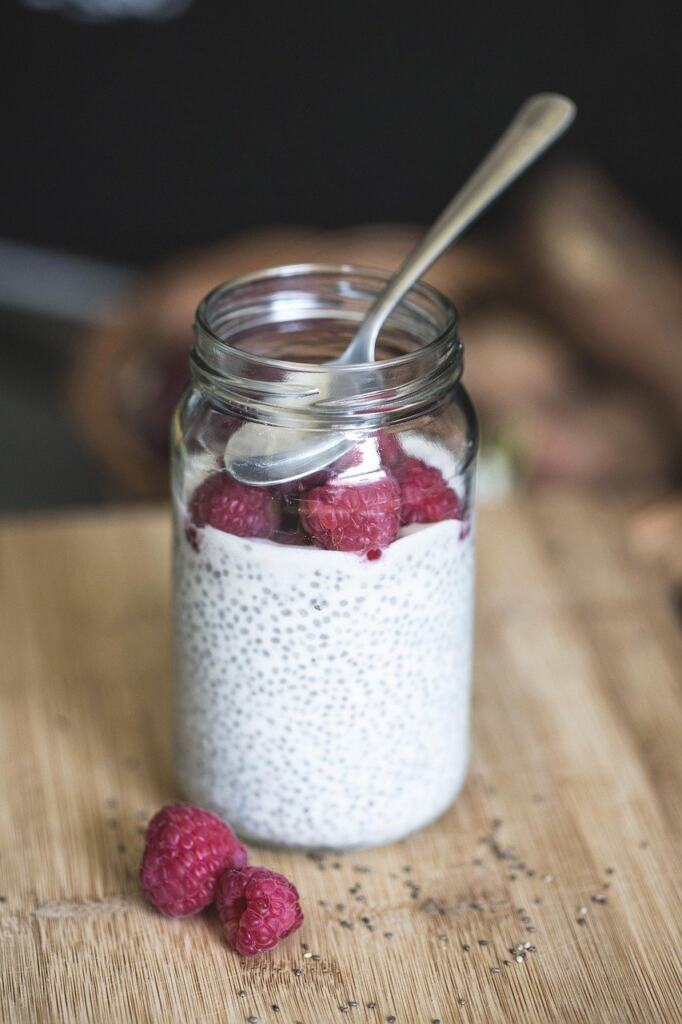
Chia pudding mixes the seeds with some type of milk and fruit, then rests in the fridge overnight. It is the better fit for breakfast or a snack, and the fruit and milk give you more to work with if the plain gel puts you off.
| Format | Preparation | Timing and storage | Planning use |
|---|---|---|---|
| Chia water | 1 Tbsp chia in 1–2 cups water | Soak 15–30 minutes until a gel forms; drink within two hours or refrigerate | Quickest option when you want a single glass |
| Chia pudding | Chia mixed with milk and fruit | Refrigerate overnight | Prepare the night before for a ready breakfast or snack |
The ratios and soaking time come from Impact Family Wellness, and the timing and pudding method from Houston Methodist.
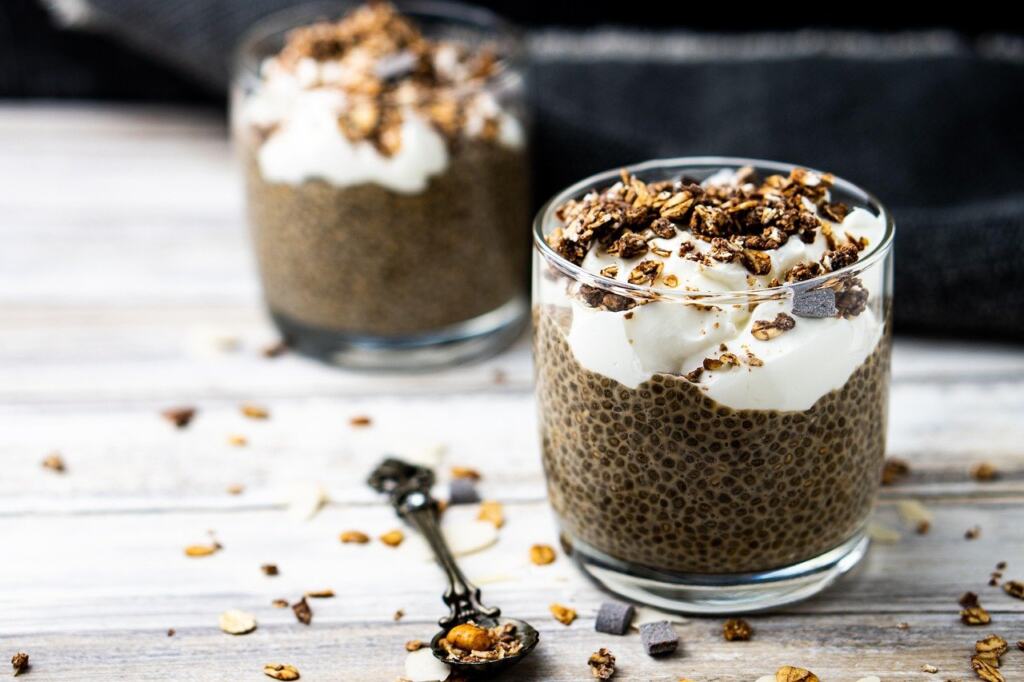
Once the base is set, toppings are a matter of taste. Cream and granola change the flavour but not the soaked chia underneath.
Step three: raise the amount gradually
Start with 1 Tbsp of chia seeds, as Houston Methodist’s guidance recommends, and increase only as your gut tolerates it. The same source notes that chia is very fibrous and that it is best to increase your fibre intake gradually. Piedmont Healthcare suggests raising fibre slowly over the course of a week. Treat the steps below as a ladder to climb as comfort allows, not a timetable.
- Begin with one soaked tablespoon. Use chia water or pudding, whichever you prefer.
- Hold there and watch. Notice bloating, gas and how stools change before adding more.
- Increase slowly. Spread the rise over about a week, rather than doubling in one go.
- Work towards the usual meal amount. Piedmont suggests two tablespoons of chia in a smoothie, yogurt, salad or oatmeal. Chia stirred into these foods still counts as a way to fit it into your day.
- Step back if needed. If symptoms flare, return to the last amount that felt comfortable and stay there longer.
Chia is one part of the picture. Eating the best vegetables for constipation alongside it adds more fibre variety to your day. If you find chia does not suit you, flaxseed for constipation is another seed option to compare.
Mistakes and stopping conditions
Chia can make constipation worse when it is added too fast or without enough fluid. The Impact Family Wellness provider calls too much too soon the biggest mistake, with large doses of dry seeds, three tablespoons being the example, washed down with water as a common misuse. Houston Methodist explains the consequence: a rapid fibre increase can cause bloating, gas and constipation, and extra fibre without water can lead to dehydration and a greater chance of constipation.
Fluids matter as much as fibre
Mild dehydration may itself cause constipation, according to gastroenterology guidance. Piedmont Healthcare advises drinking at least eight cups of water per day while raising fibre. Chia gel counts as a fluid-rich food, but it does not replace drinking water through the day.
Dry chia and who should be most careful
In rare cases, dry chia consumed without proper hydration can expand rapidly and cause food bolus impaction, a blockage of food in the swallowing passage. That risk is highest for people with swallowing issues, and the same provider names Crohn’s disease, IBS, and fluid or fibre restrictions as reasons for extra caution. If any of these apply, check with your clinician before adding chia, and always eat it soaked.
When to stop increasing
Stop raising the amount as soon as bloating, gas or discomfort appears, and return to the last comfortable amount. If stools stay hard or infrequent despite sensible preparation, or if you have pain or trouble swallowing, speak to a clinician rather than adding more seeds.
Frequently asked questions
What counts as constipation?
The medical definition is fewer than three bowel movements a week, according to a gastroenterology practice. Chia can be one food-based step, but persistent symptoms deserve a clinician’s attention.
How much fibre should adults eat in total each day?
Piedmont Healthcare gives a maintenance goal of 25 g per day for women and 38 g for men. That target covers all foods, not chia alone, so chia is one contributor among your meals.
Can toddlers eat chia seeds?
Dry chia expands quickly, which makes soaking essential for little ones. One commercial guide says many parents start with about 1/2 to 1 teaspoon of soaked chia seeds per day. Ask a paediatrician before using it for a child’s constipation.