| Situation | Food | Why it can contribute | Planning use |
|---|---|---|---|
| Sandwiches, toast and baking | White bread and other refined grains | Made with low-fiber white flour | Choose whole-grain toast most of the time |
| Dairy at meals and snacks | Cheese and milk | Eaten in excess they may block you up, and high-fat dairy can back you up more | Eat less and change your choices rather than cutting dairy out |
| Meat-centred dinners | Red meat | Full of protein and fat but lacking in fiber | Balance the plate with a high-fiber vegetable side |
| Takeaway and fast food | Fried food | Full of fat and hard to digest, which slows movement through the colon | Treat it as an occasional meal rather than a default |
Guidance in this table comes from the Better Health Channel and a food-and-constipation article from Parkinson’s Resource.
Foods that cause constipation are mostly low in fiber, high in fat, or both. White bread, cheese, red meat and fried food are the usual suspects, and the practical answer is to eat less of them and swap, not to ban them.
If you want the opposite list, our guide to foods that help constipation covers what to put on the plate instead. This page sorts the common culprits by the situation you are most likely to meet them in.
Sandwiches, toast and baking
White bread and refined grains
White bread can contribute to constipation because it is made with low-fiber white flour. Clinical guidance from the Better Health Channel names white flour (along with white rice, cheese, milk and red meat) among foods that should be restricted because they tend to contribute to constipation. A Walgreens health article likewise lists refined grains such as white bread as low-fiber foods to limit.
The mechanism is straightforward. According to Harvard Health, fiber absorbs water and makes stools larger, softer and easier to pass. A loaf stripped of most of its fiber does less of that work.
The simple swap is whole-grain toast in place of white, as suggested by the Parkinson’s Resource article. This suits anyone who eats bread daily, because sandwiches and toast add up faster than occasional treats. The guidance says to limit refined grains, not to treat one slice as a problem, so a white roll now and then is not the issue.

Dairy at meals and snacks
Cheese and milk
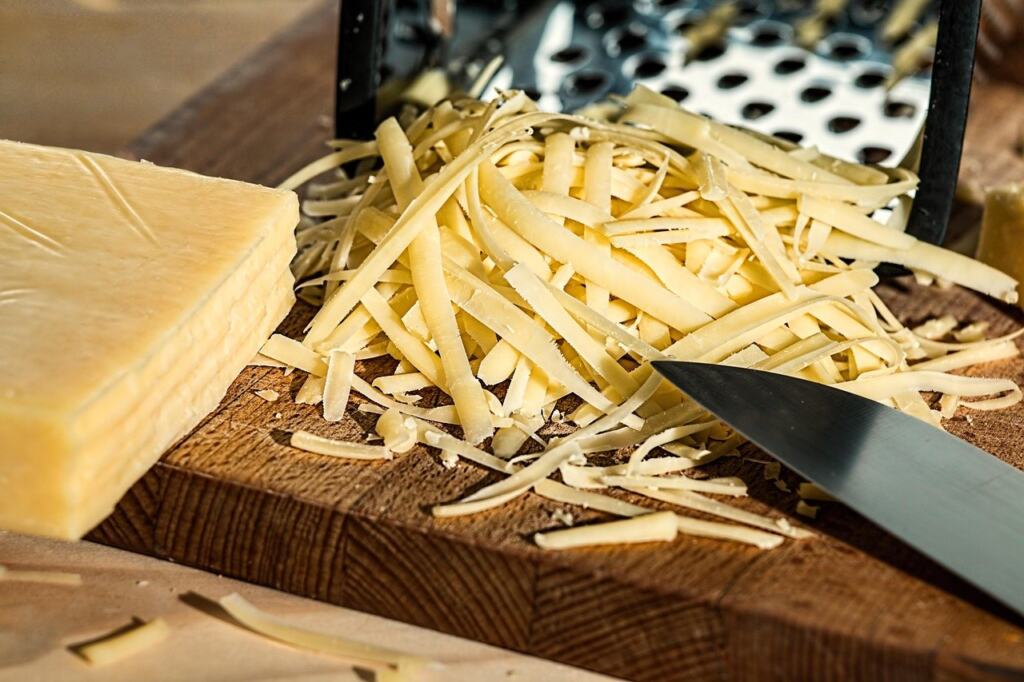
Cheese can contribute to constipation when you eat a lot of it. The Parkinson’s Resource article lists too much cheese and milk among the foods that may block you up. The Better Health Channel guidance also puts cheese and milk on its restrict list.
Fat is the likely thread. An Aetna constipation guide advises avoiding high-fat foods such as meat and dairy while travelling because they can back you up more. Harvard Health adds that a diet too low in fiber and fluids and too high in fats can contribute to constipation.
The decision for most people is about quantity, not elimination. The Parkinson’s Resource article says you may not have to give up dairy, only eat less of it and change your choices. If you like something creamy, yogurt with probiotics is the swap that article suggests. A cheese-heavy lunch or a cheese board is the situation where cutting back is most likely to make a difference.
Meat-centred dinners
Red meat
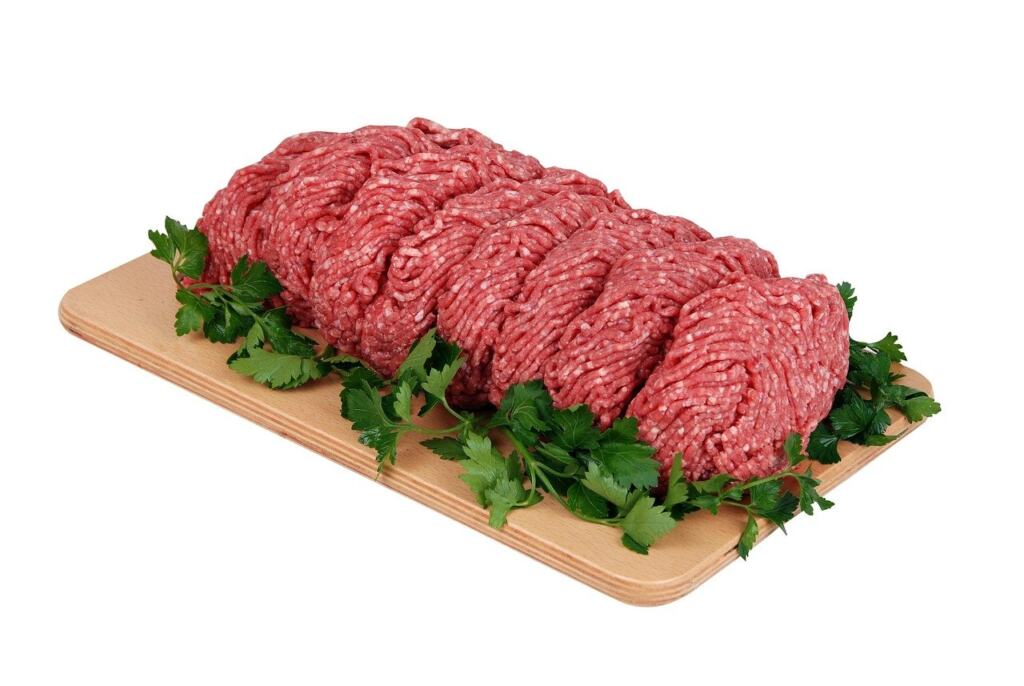
Red meat can contribute to constipation, and it appears on the Better Health Channel list of foods to restrict because they tend to contribute. The reason given by the Parkinson’s Resource article is that steak is full of protein and fat but lacks fiber. Aetna’s guidance also flags high-fat meat as something that can back you up more.
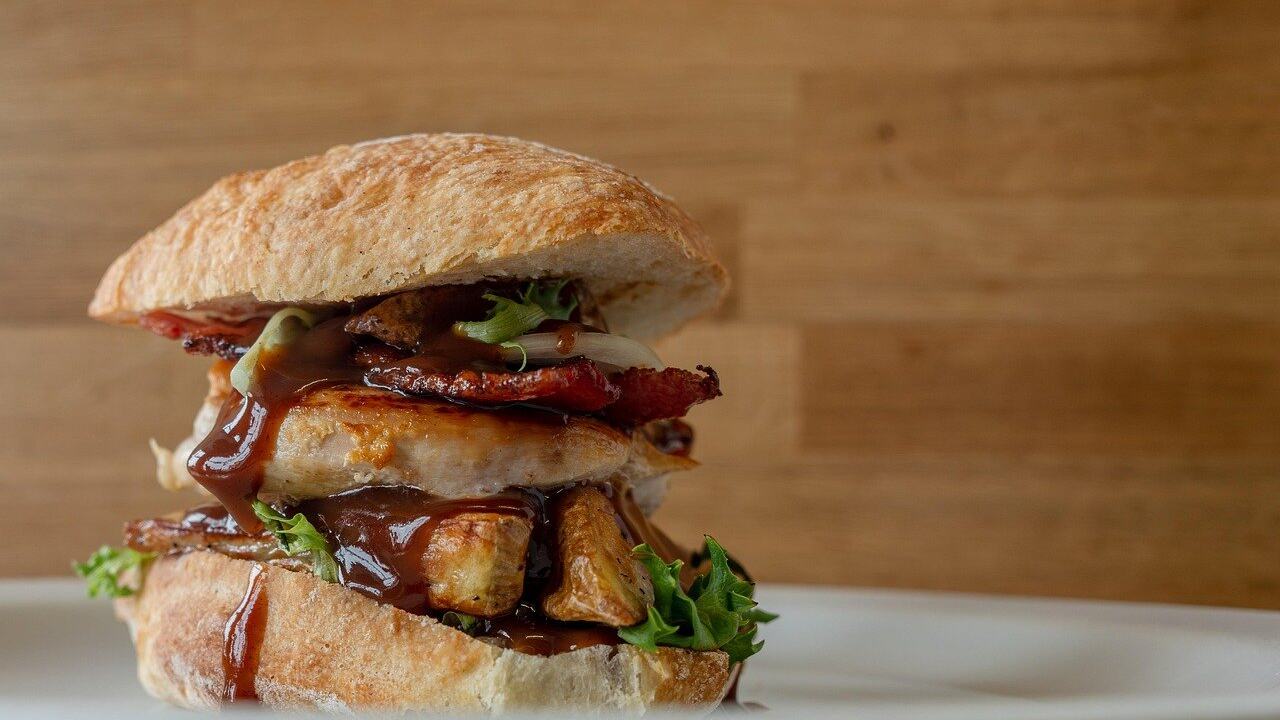
The fix is on the plate rather than in a ban. The same article says a juicy steak needs to be balanced with a side of broccoli. That makes a meat-centred dinner a good place to start: keep the main you enjoy, shrink its share of the plate, and give the fiber a real role alongside it. Burgers and ground meat follow the same logic, so a salad or vegetable side does the balancing there.
Takeaway and fast food
Fried food
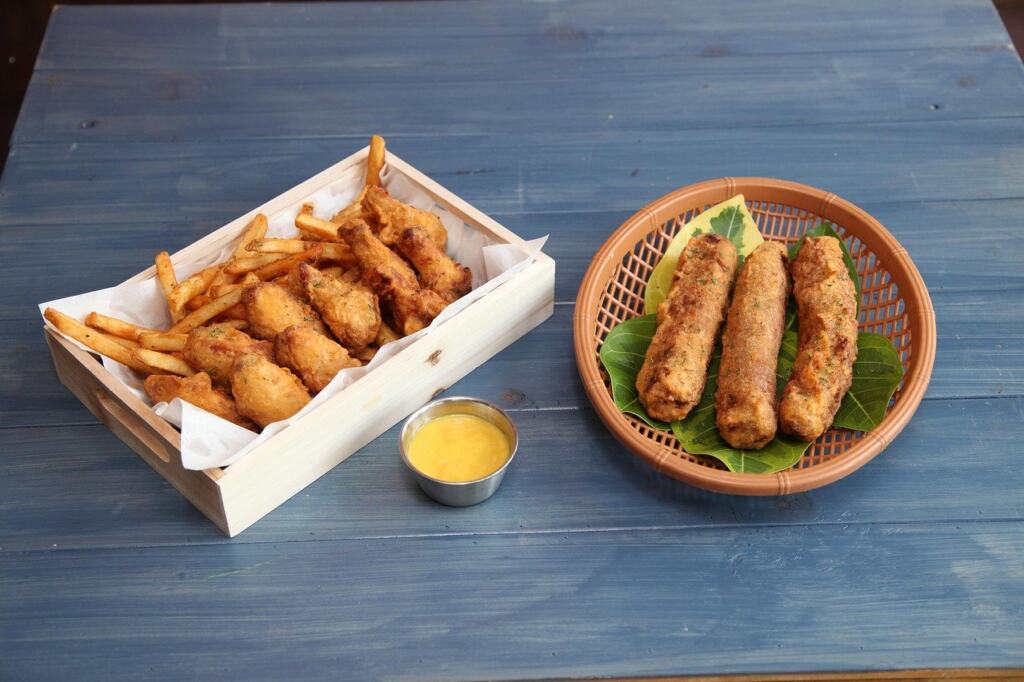
Fried food can contribute to constipation because it is full of fat and hard to digest. The Parkinson’s Resource article explains what follows: when food moves through the colon slowly, too much water can be taken out of it, leaving stool hard and dry.
Water matters here because, as the Better Health Channel notes, it makes up about three-quarters of faecal content. Harvard Health groups high fat with low fiber and low fluids as the dietary pattern that can contribute to constipation. Fries, fried chicken and a burger meal tend to deliver the fat without the other two protective factors.
No single swap is needed for fried food, since the simplest change is frequency. Make a takeaway meal an occasional one, and if fries are part of a regular lunch, that habit is the one to look at first.
What the evidence supports and where it stops
The case against these foods rests on a consistent pattern in clinical guidance, not on proof that any single food causes constipation. The Better Health Channel says these foods “tend to contribute”, which is a tendency rather than a guarantee. Harvard Health frames the wider cause as a diet too low in fiber and fluids and too high in fats.
Individual response varies. Harvard Health notes that people with more severe constipation sometimes find that increasing fiber makes it worse. That is a good reason to change one food at a time and see how your body reacts, rather than overhauling everything in a week.
- Better supported: limiting low-fiber refined grains and cutting back on high-fat dairy, red meat and fried food.
- Depends on the person: how much a given portion matters, and how well extra fiber is tolerated if constipation is already severe.
- Not a single-food story: fluids and overall fiber intake sit alongside the foods above as part of the same picture.
Making swaps stick
Swapping works best when you replace a low-fiber food with a higher-fiber one and keep fluids up. Our guide to high fiber foods for constipation goes through the options in depth, so here are the two habits that make the swaps above work.
- Check labels. The Walgreens article suggests choosing foods that contain at least 5% daily value of fiber per serving. This is a quick filter when two breads or cereals look similar.
- Drink alongside fiber. The same article suggests aiming for eight to 10 cups of water or other unsweetened beverages. If plain water gets dull, our page on tea for constipation looks at warm options.
Frequently asked questions
| Question | Answer |
|---|---|
| How many bowel movements count as constipation? | The Better Health Channel defines constipation medically as passing infrequent bowel motions, fewer than 3 per week. |
| How much fiber should adults aim for? | Dietitians generally recommend about 30 g of fiber a day, according to the Better Health Channel. A Walgreens health article gives a general adult range of 25–34 g, and advises raising intake slowly, generally by no more than 5 g each day, to avoid bloating and gas. |
| Do alcohol and caffeine make constipation worse? | They can. Aetna’s guidance advises avoiding both because they can be dehydrating. |
| When should I get medical advice? | Over-the-counter laxatives are fine in the short term, but the Better Health Channel says to seek advice if the problem persists. |