| Warm drink | What the label or research shows | Planning use |
|---|---|---|
| Peppermint tea | The indexed meta-analyses (1998 and BMJ 2008) test peppermint oil for irritable bowel syndrome, not tea. | A pleasant, gentle choice. Do not expect the results of oil capsules from a cup. |
| Ginger tea | Ginger root is listed on the Teawell label next to senna leaf, psyllium husk and fennel seed. | A flavourful warm drink. It is not the same product as a senna laxative tea. |
| Senna laxative tea | Teawell Organic Laxative blends senna leaves with carob and sweet licorice and is sold to ease occasional constipation (12 tea bags per box). | Keep it for occasional use, follow the pack directions and see a doctor if constipation keeps returning. |
The figures above come from the CAM-Quest index of IBS herbal research and the Teawell Organic Laxative product page.
A gentle place to start with tea for constipation is a plain warm herbal drink such as peppermint or ginger. Treat senna laxative tea as an occasional-use product and follow its pack directions.
Tea works best as one part of a wider routine, so pair it with the basics in our guide to foods that help constipation. The sections below run from the mildest drinks to the strongest, so you can stop at the step that suits you.
First phase: plain warm drinks
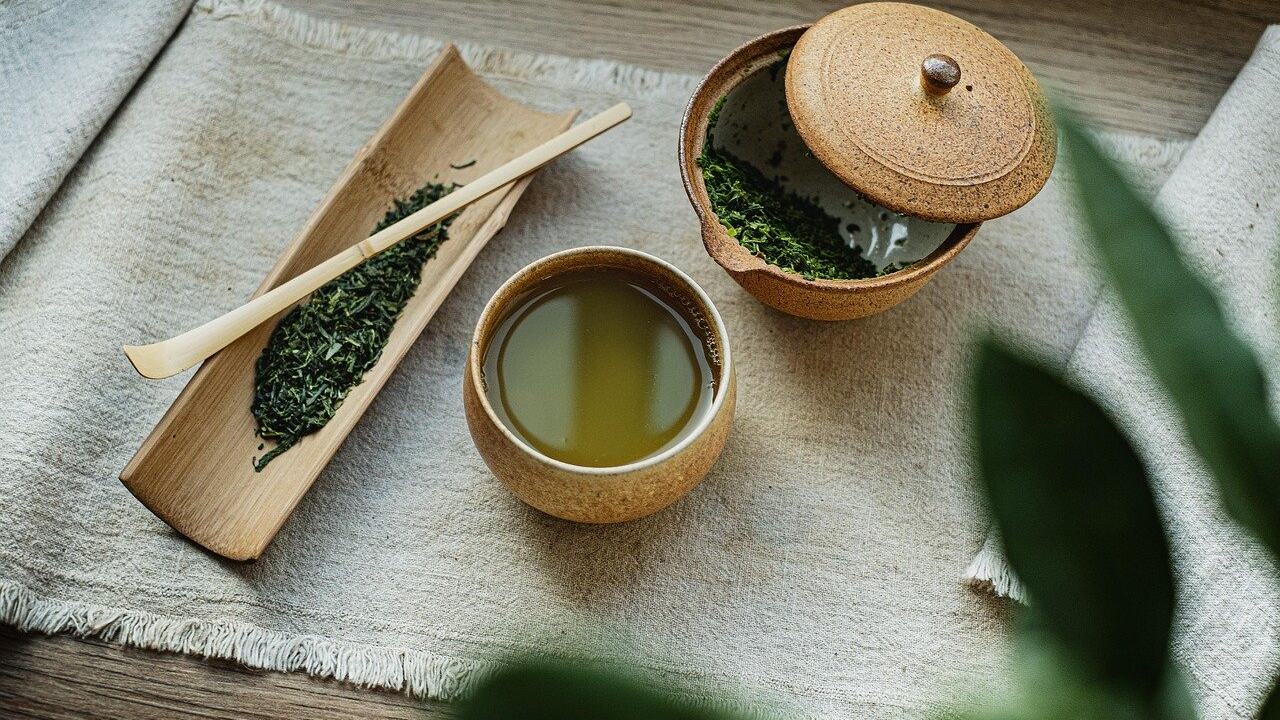
Warm water, warm lemon water or a caffeine-free herbal infusion is the lowest-risk place to begin. These drinks have a short ingredient list, so there is little to check and little to go wrong. Treat them as a comfortable morning or evening routine rather than as a treatment.
Start here if your constipation is mild and recent, or if you are not sure what has changed in your eating. Before adding more products, look at the food side. Our list of foods that cause constipation is a quick way to spot habits that may be working against you.
- Pick one drink. Change one thing at a time so you can tell what, if anything, makes a difference.
- Make it part of a routine. Pair the drink with a set moment, such as breakfast or after dinner.
- Keep it plain. Avoid blends with long ingredient lists until you know how a single herb sits with you.
For a different kitchen staple, see the separate answer to does olive oil help constipation.
Second phase: peppermint tea
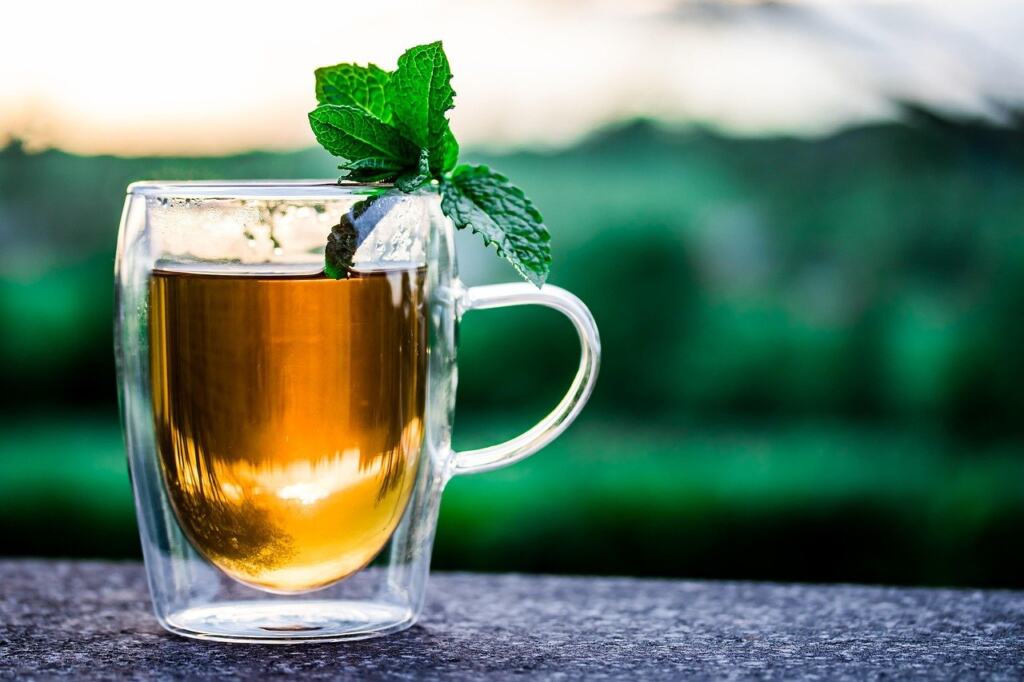
Peppermint tea is a soothing, widely available herbal option, but the clinical research on peppermint in the gut is about peppermint oil, not tea. A critical review and meta-analysis of peppermint oil for irritable bowel syndrome was published in the American Journal of Gastroenterology in 1998. A BMJ systematic review and meta-analysis in 2008 looked at fibre, antispasmodics and peppermint oil for IBS. Both are indexed by CAM-Quest.
That distinction matters for what you expect from a cup. The studied preparation is oil, and IBS is a different condition from occasional constipation. A mug of peppermint tea is a pleasant warm drink, and you should not read those trials as proof that it moves the bowels.
Who peppermint tea suits
It suits people who want a caffeine-free evening drink and who are happy to treat any bowel benefit as a bonus. If you already have a diagnosis of IBS, raise it with your clinician before relying on herbal products, because the studied forms were oil and formulas rather than tea.
Third phase: ginger tea
Ginger tea is a good warm-drink habit to try next if you like a stronger flavour. Fresh ginger root can be sliced and steeped at home, which keeps the ingredient list to one item.
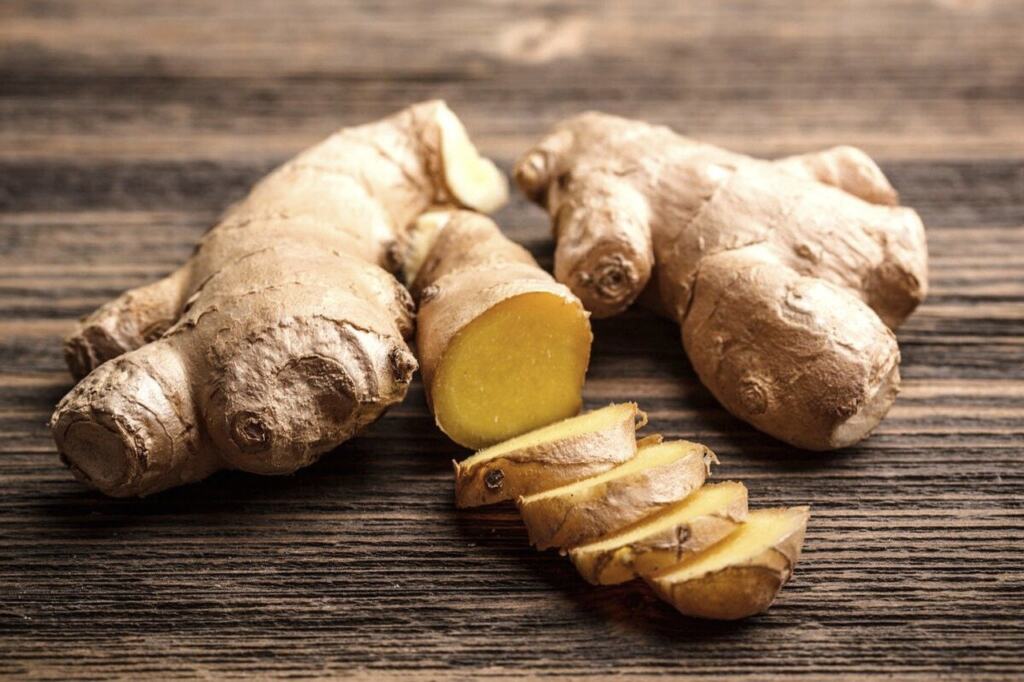
Ginger root appears on the Teawell Organic Laxative label, alongside organic senna leaf, psyllium husk and fennel seed. That listing shows ginger is used in laxative-style blends. It does not show that a cup of ginger alone does the same job, and the blend is sold as a laxative product. Choose a plain ginger tea when you want a warm drink, and a labelled laxative tea only when you want that specific product.
Fourth phase: senna and laxative teas
Senna tea is a different category from peppermint or ginger. It is sold as a laxative, and the label is the best guide to how it should be used. Teawell Organic Laxative lists organic senna (Cassia angustifolia) leaf, with carob and sweet licorice, and describes the blend as intended to ease occasional constipation. A box holds 12 tea bags.

Is senna tea safe, and how long can you use it?
Senna tea is a laxative product meant for occasional constipation, so it is not something to drink daily as a habit. The Teawell label wording is “occasional constipation”, and that is the use the product is sold for. Read and follow the directions printed on the pack you buy, because they set the amount and the limit for that product.
Use that wording as a decision rule. If you reach for a laxative tea repeatedly, or if it stops being occasional, the tea is no longer the right tool and the cause needs checking. A laxative blend is also not the same thing as a gentle herbal tea, so do not substitute one for the other on the assumption that herbal means mild.
Choosing between gentle and laxative teas
- Choose a gentle herbal tea if you want a calming warm drink and your constipation is mild.
- Choose a labelled laxative tea only for an occasional episode, and only after reading the pack directions in full.
- Hold off and ask a clinician first if you have a diagnosed bowel condition such as irritable bowel syndrome, or you take regular medication.
Choosing and steeping herbal tea bags
Read the ingredient list before you read the front of the box. Names such as “laxative”, “tummy” or “cleanse” can sit on blends that contain senna, while a tea named for a single herb should list only that herb. On the Teawell box, senna appears on the label as Cassia angustifolia (leaf), which is the wording to look for.
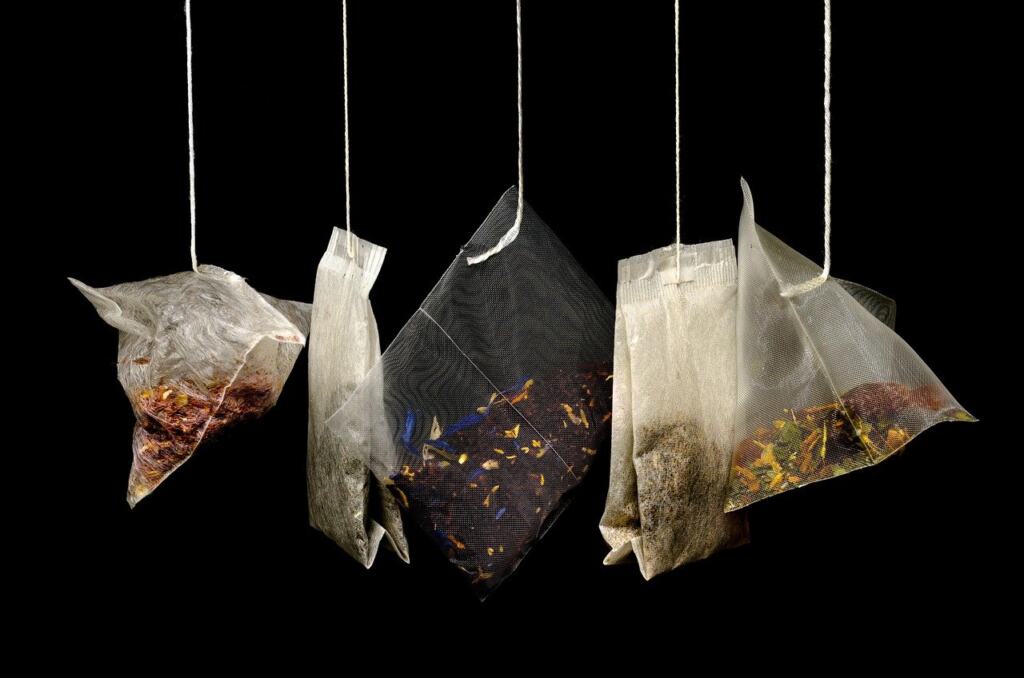
Follow the steeping instructions on the pack, since each product sets its own. Some blends also include ingredients like psyllium husk or licorice, which is one more reason to compare labels rather than assume two teas behave alike.
Research on herbal products for IBS
If your constipation comes with irritable bowel syndrome, the herbal research is broader than tea. A Cochrane review of herbal medicines for IBS appeared in the Cochrane Database of Systematic Reviews in 2006. A placebo-controlled trial of Padma Lax, a Tibetan herbal formula, in constipation-predominant IBS was published in Digestion in 2002. Both are listed in the CAM-Quest IBS index.
These studies evaluated herbal medicines and a formula, not teas you brew from a supermarket bag. They show that herbal approaches to IBS are an active research area, and they are a reason to discuss options with a clinician rather than self-prescribing a blend.
When to stop and see a doctor
Stop a laxative tea and book an appointment when constipation keeps coming back or no longer feels occasional. The same applies if a tea has not helped and you are tempted to simply drink more of it. Persistent constipation deserves a proper check, and a clinician can also tell you whether a herbal product is suitable alongside any condition or medicine you already have.
Bring the box or a photo of the ingredient list to the appointment. It saves guesswork about what you were taking.
Frequently asked questions
Is ginger tea the same as a laxative tea?
No. Ginger tea made from the root is a flavoured warm drink. A laxative tea such as Teawell is a blend sold to ease occasional constipation and lists senna leaf among its ingredients.
How can I tell whether a tea contains senna?
Check the ingredient list for senna, which the Teawell label writes as Cassia angustifolia (leaf). Do not rely on the product name or the picture on the front.
Can I rely on herbal tea if I have irritable bowel syndrome?
Ask your clinician first. The IBS research on herbal products covers peppermint oil and herbal formulas rather than tea, so a clinician can advise which approach fits your symptoms.
Should I take a laxative tea whenever I feel blocked?
No. Laxative teas are sold for occasional use. If you find yourself needing one repeatedly, see a doctor rather than increasing how often you drink it.