| Reader situation | Meal | Verified detail | Planning use |
|---|---|---|---|
| Feeding a vegan household | Vegan roasted chickpea and vegetable bowl with peanut cream | Serves 4; cook time 35 minutes | Suits a planned evening meal that doubles as leftovers for the next day. |
| Wanting a vegetarian comfort bake | Vegetarian shepherd’s pie with vegetarian mince and lentils | 180 °C (350 F) oven; 20 minutes in the oven | Suits a cold evening when the mash and filling can be prepared ahead. |
| Cooking for vegans from a vegetarian recipe | The same pie, made dairy-free | Vegetable milk in the mash, no cream, margarine | Shows that a vegetarian dish can be converted with three swaps. |
| Looking for more ideas | Monash Vegetarian & Vegan recipe category | Includes a Certified Vegetarian & Vegan filter | Use it to browse tested recipes before inventing your own. |
Figures above come from the Monash FODMAP recipe listing and the Karlijn’s Kitchen shepherd’s pie recipe.
Low FODMAP vegetarian recipes work best when each meal has a clear protein anchor, such as tofu, tempeh, lentils or chickpeas, with the portion checked in the Monash FODMAP Diet app. Legumes need small servings.
For the wider diet framework and meat-inclusive options, see these low fodmap recipes for ibs. The meals below are grouped by the situation you are cooking for, so pick the heading that matches your evening.
Quick weeknight dinners built on tofu
Tofu is the simplest meatless protein to build a weeknight dinner around, because it needs no soaking and takes on the flavour of whatever sauce surrounds it. It suits cooks who want a single pan, a short ingredient list and a protein that is not a legume. Check its tested serving size in the Monash FODMAP Diet app before you decide how much goes on each plate.
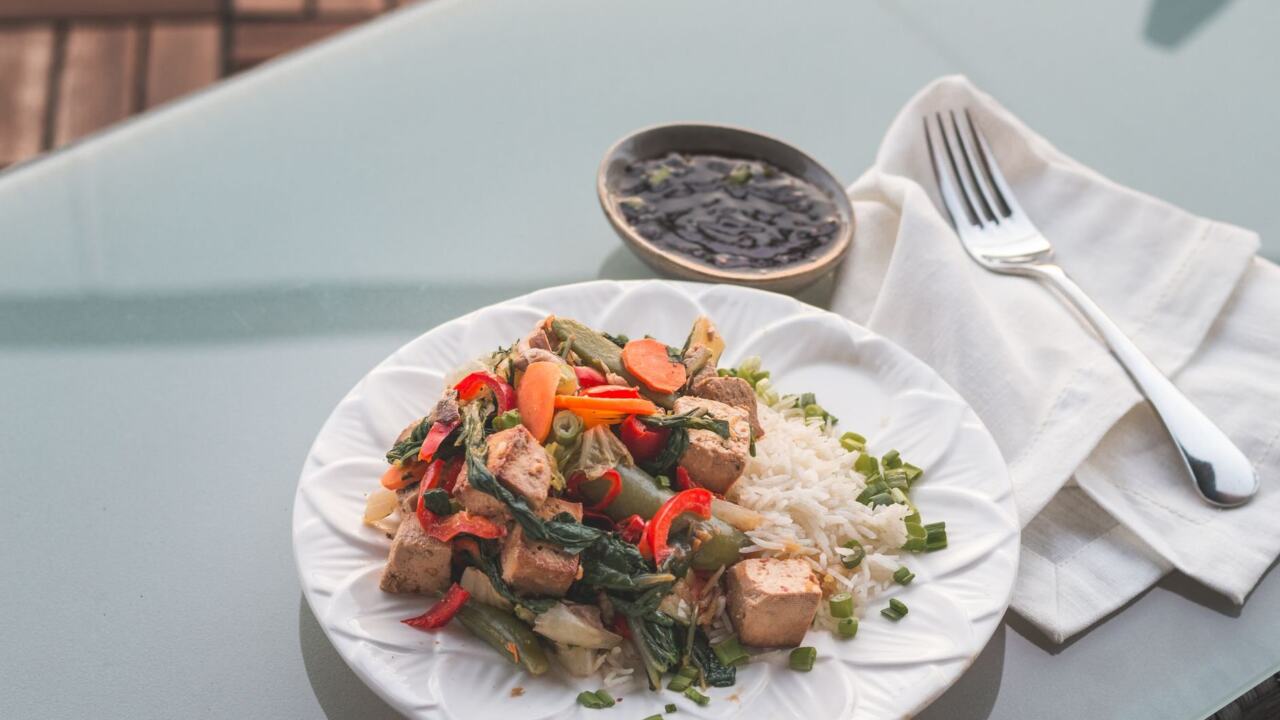
Tofu stir-fry with peppers, carrot and rice
A stir-fry of cubed firm tofu, bell pepper and carrot over rice is the most flexible low FODMAP vegetarian dinner. Vegetables can be swapped according to what you tolerate, and the rice base keeps the meal filling without leaning on a legume. It suits anyone who wants a meal on the table fast and does not want to count legume portions at dinner.
The limitation is flavour. Garlic and onion are the usual starting points for stir-fry sauces, so build the sauce from ingredients you have already checked rather than copying a standard recipe. For grain and noodle bases that pair well with tofu, browse these low fodmap rice recipes.
Choosing and preparing firm tofu
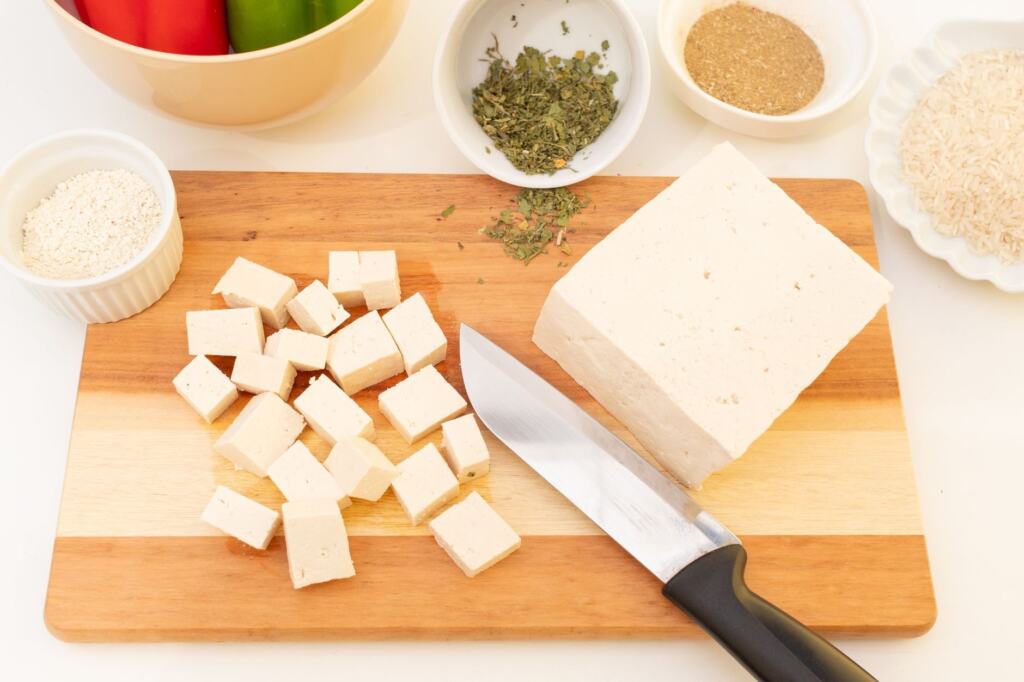
Firm tofu holds its shape in a hot pan, so it works for cubes in a stir-fry, a traybake or a grain bowl. Cutting it into even cubes helps the pieces cook at the same pace. Soft tofu suits blended sauces and soups better than frying, though this matters less than checking the serving size for whichever type you buy.
Tofu with mushrooms and green beans
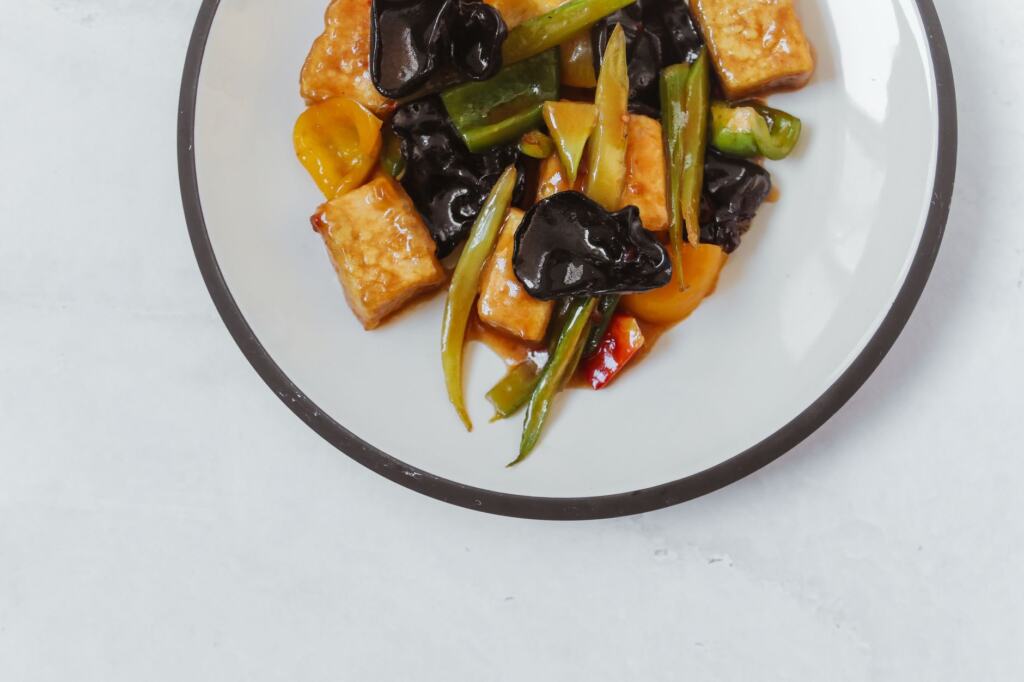
A glossy sauce, tofu cubes and a simple green vegetable make a variation on the classic stir-fry for nights when you want something other than peppers and carrot. It suits cooks who want visual variety across the week without changing the cooking method. Each vegetable you add should be checked individually in the app, since tolerance and tested portions differ from food to food.
Vegan meals for sharing
Vegan dinners need the protein to come from plants alone, so they lean on legumes, tofu and seeds. The Monash FODMAP recipe collection includes a dedicated Vegetarian & Vegan category, and its filter marks certified vegetarian and vegan recipes, which is the safest place to start if you are cooking for a mixed household.
Roasted chickpea and vegetable bowl with peanut cream
The best-documented vegan dinner in the pack is Monash’s vegan roasted chickpea and vegetable bowl with peanut cream. It serves 4 and has a cook time of 35 minutes, which makes it a sensible choice when you want to cook once and eat twice. Monash presents it as a vegan meal packed with protein, fibre and flavour, though it gives no gram amounts for the protein.
The bowl suits people who miss a hearty, textured dinner. Its limitation is the legume itself. Chickpeas are a food where the portion size matters on this diet, so divide the recipe as written rather than adding extra chickpeas to boost protein.
Grain bowl with roasted vegetables and seeds
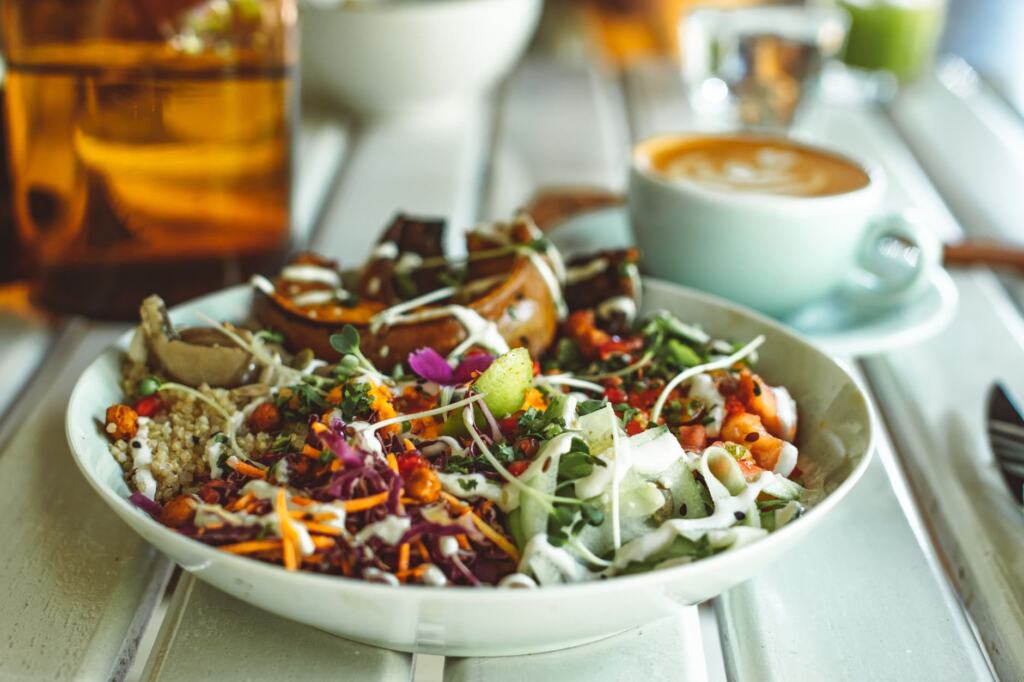
A grain bowl is a flexible way to turn roasted vegetables into a full vegan meal. Choose a grain you tolerate, add roasted vegetables, and finish with seeds for crunch. Pumpkin seeds are a common topping, but check the serving size in the app before using them as a significant protein source.
This approach suits cooks who batch-roast vegetables at the weekend. It is weaker on protein than the chickpea bowl unless you add tofu or tempeh alongside, so treat it as a base rather than a complete answer.
Tempeh as a second plant protein
Tempeh gives vegan cooks a firmer, more textured alternative to tofu. Slices brown well in a skillet and can sit on top of a grain bowl or beside roasted vegetables. It suits anyone who finds tofu bland, but it is a fermented soy food, so look up its tested serving size in the Monash FODMAP Diet app rather than assuming it behaves like tofu.
Comfort bakes and one-dish dinners
Classic comfort dishes often hide high FODMAP ingredients. Monash makes the point about stuffing, noting that most traditional recipes use high FODMAP bread, onions and garlic. The same caution applies when you convert any meat-based bake into a vegetarian one: read the base recipe for bread, onion and garlic before you start.
Vegetarian shepherd’s pie with lentils
Karlijn’s Kitchen offers a low FODMAP vegetarian shepherd’s pie that uses vegetarian mince and lentils in the filling. The oven is preheated to 180 °C (350 F), and the pie spends 20 minutes in the oven. That short bake time makes it one of the easier comfort meals to finish on a weeknight when the filling and mash are ready beforehand.
Canned lentils are the convenient route for a filling like this, since they skip the cooking step. Because lentils are a legume, keep to the tested serving size listed in the Monash FODMAP Diet app, and rely on the vegetarian mince for the rest of the bulk. The pie suits cooks who want a familiar texture, but it is a recipe from a food blog rather than a Monash-tested dish, so check the label of any ready-made mince.
Making the pie vegan
The same recipe can be made vegan with three changes. Replace the lactose-free cow’s milk in the mashed potatoes with vegetable milk, leave out the cream, and use margarine in place of butter. This answers the safety question practically: vegans can follow the diet by swapping dairy for plant alternatives, provided each substitute is itself suitable. Choose the vegetable milk carefully, as not every plant milk is tolerated at every serving size.
Getting enough protein without large legume portions
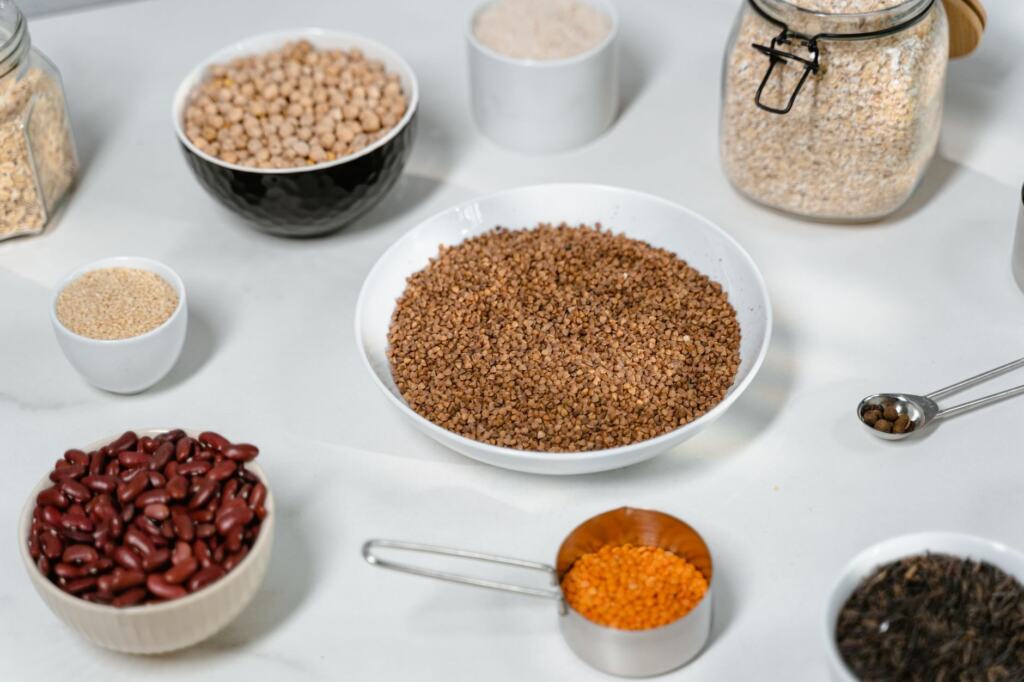
Protein planning on a vegetarian low FODMAP diet comes down to spreading sources across the day instead of loading one meal. Legumes such as chickpeas and lentils remain useful, but their small tested servings mean they work better as one component of a plate than as its whole centre.
Combining protein sources in one meal
Pair a measured legume portion with tofu or tempeh. For example, a small scoop of lentils in a filling can sit alongside vegetarian mince, as in the shepherd’s pie. The chickpea bowl from Monash shows the same idea in a vegan format, with the legume balanced by vegetables, a peanut-based cream and a grain.
When you need to know how much protein you are eating, check the package label or a nutrient database such as USDA FoodData Central, then match it to the serving size the app allows. A registered dietitian can set a protein target that suits your age, activity and health history, which is especially worthwhile if you are vegan as well as limiting FODMAPs.
Soups as a protein vehicle
Soup is an easy place to add tofu cubes or a measured portion of lentils without changing the way you cook. If you want to extend your meatless rotation beyond dinner plates, these low fodmap soup recipes give step-by-step methods you can adapt with a protein you have already checked.
Frequently asked questions
| Question | Answer |
|---|---|
| Where can I filter for vegetarian or vegan low FODMAP recipes? | The Monash FODMAP recipe collection has a Vegetarian & Vegan category, with a filter for Certified Vegetarian & Vegan and Vegan recipes. |
| Which ingredients make a traditional stuffing high FODMAP? | Monash notes that most traditional stuffing recipes use high FODMAP bread, onions and garlic, which is why its own version replaces them. |
| Should I see a dietitian if I am vegan and following the diet? | It is a sensible step. Cutting out animal products and limiting FODMAPs together narrows food choice, and a registered dietitian can check that your protein and overall nutrition stay on track. |