Low FODMAP rice recipes work best when the grain is measured, the flavor comes from scallion greens and herbs instead of onion and garlic, and each dish is checked against the Monash University FODMAP Diet app.
Picture a weeknight when the pantry holds rice, rice noodles, pasta and quinoa, and the usual starting point of a chopped onion is off the table. This shortlist sorts dinners by grain or noodle base so the choice is quick. For wider meal planning, the low fodmap recipes for ibs hub puts these dishes in context.
Plain white rice and fried rice
White rice is the simplest base on the Low FODMAP diet. It suits anyone who wants a neutral grain that takes on the flavor of whatever sits on top, and it is the right starting point for a first week of cooking.
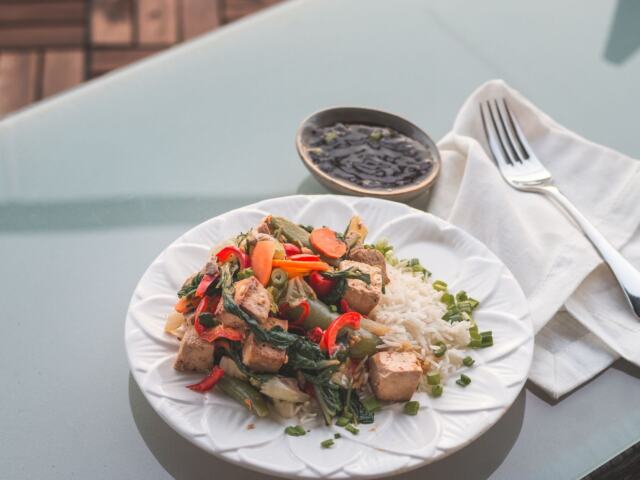
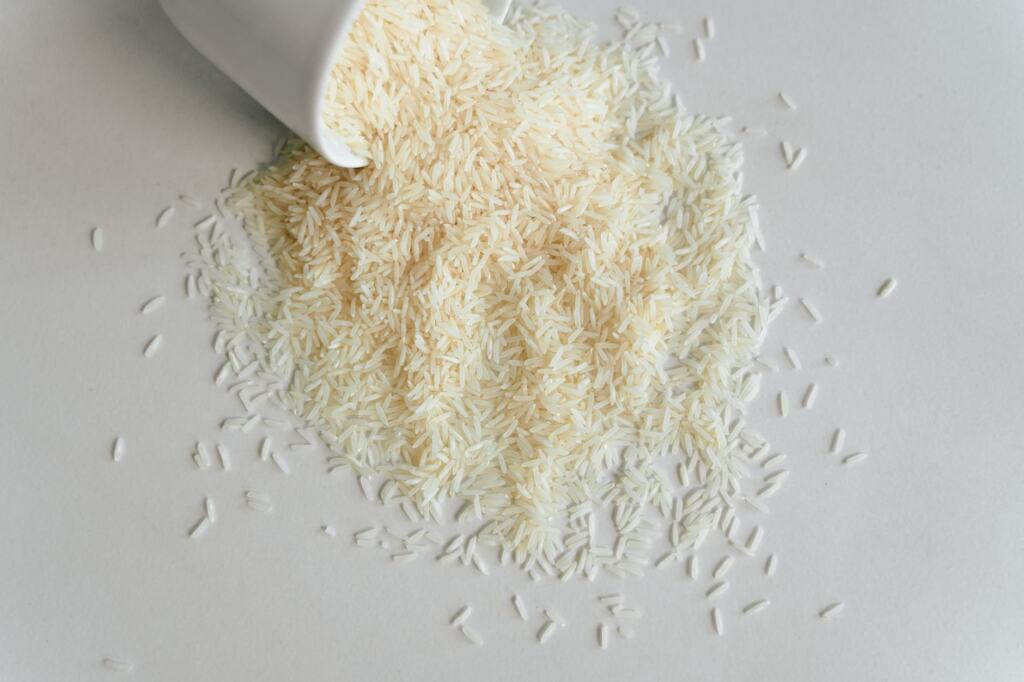
The tofu fried rice at Karlijn’s Kitchen uses 140 g (3/4 cup) of white or wholegrain rice, uncooked. The same site states that the rice amounts in its recipes are always uncooked. That detail matters when portions are compared, because a cup of cooked rice and a cup of dry rice are very different amounts of food.
Fried rice also rewards a little planning. The recipe notes that rice cooked a day before is best for frying, so a double batch on one evening sets up the next night’s dinner. The limitation is that the recipe’s rice amount belongs to that recipe. Anyone eating a different portion should look up the serving for rice in the Monash app instead of assuming the recipe figure is a universal limit.
Wild rice salad
Wild rice salad suits readers who want a chewier grain and a dish that works as a side or a light main. It is the best-documented grain recipe here, with clear cooking directions.
The FODMAP Consultancy recipe simmers 100 g of wild rice in 300 ml of water. The pot is brought to the boil, covered, and left to simmer for about 15-20 minutes until the water is absorbed. That ratio is a useful template: a measured amount of dry grain, a measured amount of water, and a finish when the liquid has gone.
For the allium flavor, the recipe calls for two spring onions, green part only. Using only the green part of spring onions keeps the fresh, oniony note that a salad needs without the bulb. This is the clearest onion-free swap in the whole list, and it carries over to most of the other dishes below.
Rice noodle stir-fry
A rice noodle stir-fry suits a fast dinner for people who miss takeaway-style noodles. Dry rice noodles soften quickly, and the vegetables and sauce do the flavoring.
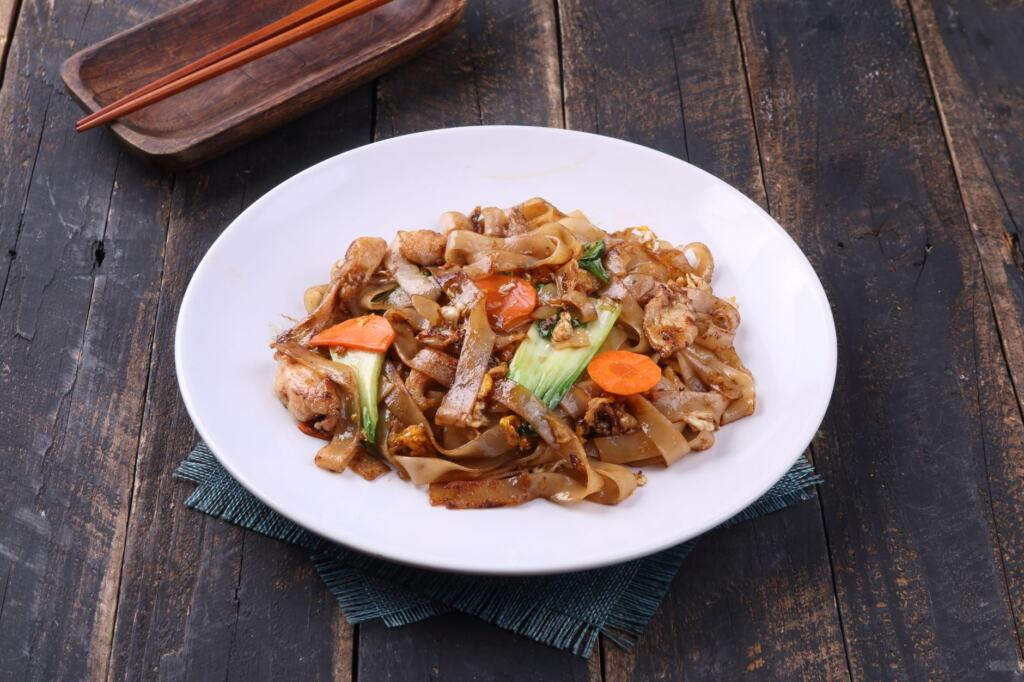
A wok of rice noodles with carrot and bok choy is the model dish. Chop the vegetables small so they cook in the time the noodles need, and finish with sliced scallion greens in place of onion. Bottled sauces are the common trap, so read the label for onion and garlic before pouring. If the label is unclear, season with salt, a splash of oil and fresh herbs instead.
The limitation is portion. Noodles are easy to over-serve, so measure the dry noodles and look up the serving size in the Monash app for the specific brand.
Side-by-side comparison
The table lines up the two documented grain recipes with the dishes that rely on app-listed servings. It shows which base needs the least planning.
| Dish | Base and documented amount | Onion-free flavoring | Planning use |
|---|---|---|---|
| Tofu fried rice | 140 g (3/4 cup) white or wholegrain rice, uncooked | Recipe-based seasoning | Cook the rice a day ahead; it fries best that way |
| Wild rice salad | 100 g wild rice in 300 ml water, simmered 15-20 minutes | Green part of spring onions only | Good for readers who want a chewy grain and a clear method |
| Rice noodle stir-fry | Dry rice noodles, measured by the app listing | Scallion greens and label-checked sauce | Fastest dinner; watch the portion |
| Gluten-free pasta with tomato and basil | Pasta serving taken from the app listing | Basil and olive oil | Check tomato quantity as well as pasta |
Amounts for the first two rows come from Karlijn’s Kitchen and the FODMAP Consultancy.
Quinoa bowls
Quinoa suits readers who want a lighter, seed-based alternative to rice and a base for bowls. It takes well to the same treatment as the wild rice salad: cook it, cool it, and add scallion greens and fresh herbs.
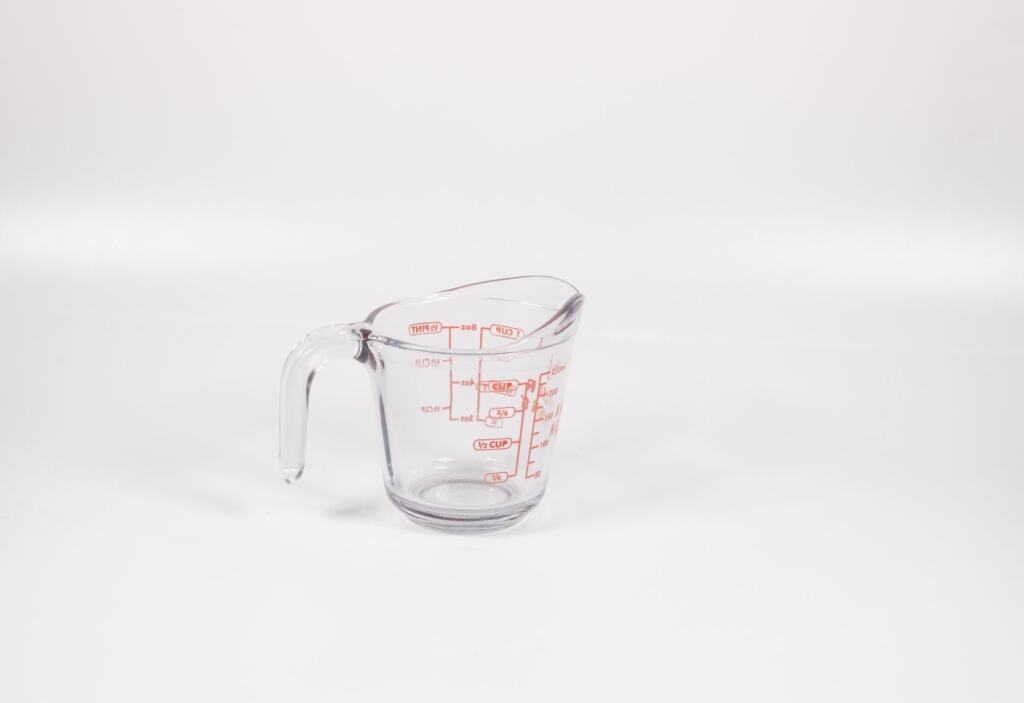
Measure before cooking and again after, and write the cooked amount on the container so leftovers are served consistently. A measuring cup is the most useful tool for this grain. The serving for quinoa should come from the Monash University FODMAP Diet app instead of from guesswork, and cooking time follows the packet, since it differs from the wild rice method above.
Gluten-free pasta dinners
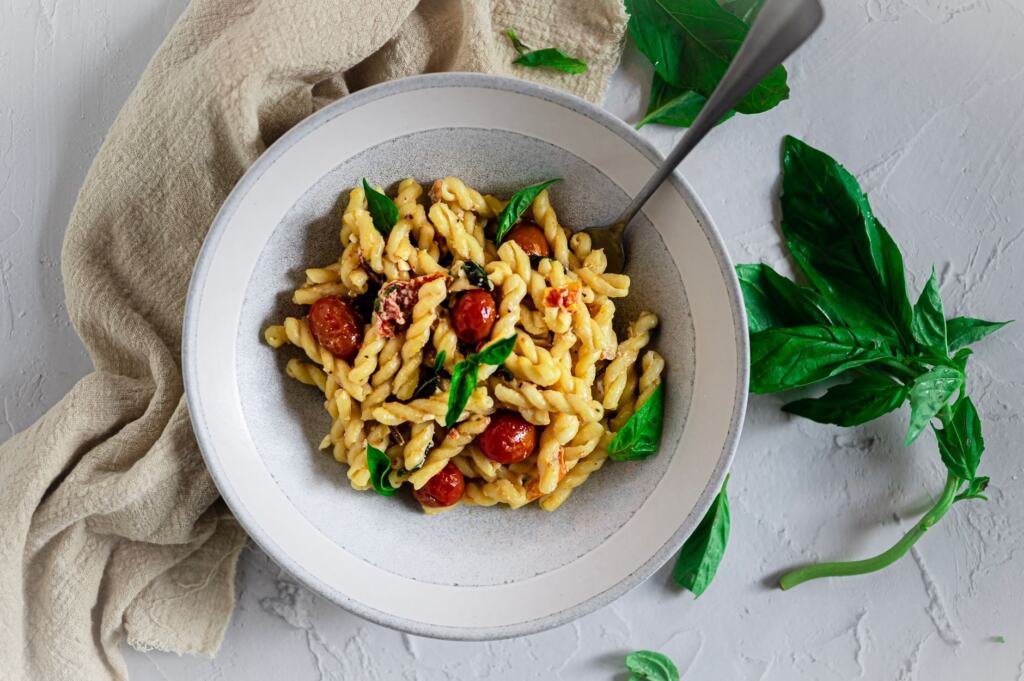
Gluten-free pasta dinners suit households that want a familiar plate of pasta without the usual onion-and-garlic sauce. Tossing the pasta with olive oil, basil and cherry tomatoes gives a quick sauce that needs no allium at all.
The decision points are the pasta and the tomatoes. Pick a pasta whose serving size is listed in the Monash app, and check how much tomato that serving allows, since tomato portions count toward the meal as well. Fresh basil goes in at the end so it stays bright.
Flavoring without onion and garlic
The simplest swap is the green part of spring onions, which the wild rice salad recipe uses as its allium-free garnish. The same idea works across every dish above, and a few habits fill the gap left by onion and garlic.
- Scallion greens: slice them thin and add at the end of cooking, or scatter them on top of a finished bowl.
- Fresh herbs: basil suits tomato pasta, and any soft herb lifts a rice or quinoa salad.
- Good oil: a spoonful of olive oil carries flavor through pasta and grain salads.
- Label reading: bottled sauces, stock and seasoning blends often list onion or garlic, so check before adding them.
Taste at the end and adjust with salt, since the missing allium base makes dishes read as plainer at first. That adjustment is quicker than adding ingredients whose portion limits need checking.
Decision checklist
Use this order when choosing a dinner from the list.
- Pick the base: white rice for the easiest start, wild rice for a chewier salad, noodles for speed, quinoa for bowls, pasta for familiarity.
- Check the serving: look up the grain or noodle in the Monash app and note whether the serving is cooked or dry.
- Choose the flavoring: scallion greens, herbs and oil first, then label-checked sauces.
- Plan ahead: cook rice a day early if the dinner is fried rice.
- Keep leftovers consistent: portion cooked grain into containers using the same measuring cup.
The tofu fried rice and wild rice salad also work as meat-free meals, and more of that kind appear among the low fodmap vegetarian recipes. For small bites between dinners, see the low fodmap snacks list.
Frequently asked questions
Is white rice an acceptable base for low FODMAP cooking?
Yes, white rice is the base of the tofu fried rice at Karlijn’s Kitchen, which uses 140 g (3/4 cup) of white or wholegrain rice, uncooked. Portions beyond that recipe should be checked in the Monash app.
Should rice be measured raw or cooked?
Match the basis the recipe or app listing uses. Karlijn’s Kitchen states that its rice amounts are always uncooked, so a cooked measure cannot be compared directly with those figures.
Do these dishes need a dietitian’s input?
They can be cooked at home, but the FODMAP Consultancy notes that the best results are seen in people who have advice and support from an IBS dietitian. A dietitian can tailor portions and the order of reintroducing foods.