
Quick answer: Most low fodmap drinks are simple: black coffee, herbal tea such as peppermint, ginger or chamomile, lactose-free milk and small portions of low FODMAP fruit juice. The risks are caffeine, lactose and hidden sweeteners.
If you are still learning the basics, start with what are fodmaps. For food to go with your drinks, browse our low fodmap recipes for ibs.
How to choose a drink
Irritable bowel syndrome (IBS) involves intestinal nerves and muscles that become oversensitive and do not work properly, according to Everyday Health. Drinks matter because a glass reaches the gut quickly and often carries a sweetener or dairy you did not choose on purpose. Four questions settle most decisions:
- What is the FODMAP source? Lactose is the issue in standard cow’s milk. Fructose is the issue in some fruit juices.
- Does caffeine bother you? Coffee itself is considered low FODMAP, but caffeine can still be a problem for some people with IBS.
- What has been added? Syrups, sweeteners and fruit blends change a safe base drink into a risky one.
- How big is the serving? Even low FODMAP fruit juice should be kept to a small serving.
The comparison below turns those questions into a starting point for each drink.
Drink-by-drink comparison
| Drink | Usual low FODMAP status | Watch for | Planning use |
|---|---|---|---|
| Black coffee | Considered low FODMAP | Caffeine; regular milk, cream and flavoured syrups | A sound default if caffeine suits you; try decaf if it does not |
| Peppermint, chamomile and ginger tea | Listed as low FODMAP | Added sweeteners in blends or bottled versions | Everyday choices, and caffeine-free |
| Green tea | Contains caffeine | Caffeine, though less than black tea or coffee | A middle option between coffee and herbal tea |
| Orange juice and other low FODMAP fruit juices | Fruit is on the low FODMAP list | Serving size | Keep the glass small |
| Apple, pear, mango and watermelon juice | Can be very high in fructose | Fruit blends containing these | Avoid |
| Standard cow’s milk | High FODMAP because of lactose | Lactose | Swap for a lactose-free or plant option |
| Lactose-free, rice, soy and oat milk | Low in FODMAPs | High sugar content in some dairy-free products | Read the label and choose zero or low sugar versions |
These statuses come from a low FODMAP beverage guide and Everyday Health’s IBS drinks overview.
Coffee and caffeine
Coffee is considered low FODMAP, but caffeine can be problematic for some people with IBS. So the answer to whether coffee is low FODMAP is yes for the drink itself, with a personal caffeine test on top.
Black coffee and decaf
Black coffee suits you if caffeine has never worried your gut. If it has, decaffeinated coffee or tea is, in the words of an Everyday Health expert, a nice way to go. Weak caffeinated tea is another gentler step.
What goes into the cup
Additions cause more trouble than the coffee. Regular milk, cream and flavoured syrups are the things to leave out of a low FODMAP cup, and lactose-free milk is the simple replacement. Sweetened coffee also deserves a label check, because high-fructose corn syrup turns up in sweetened tea and coffee as well as in soft drinks, energy drinks and fruit drinks.

Herbal tea
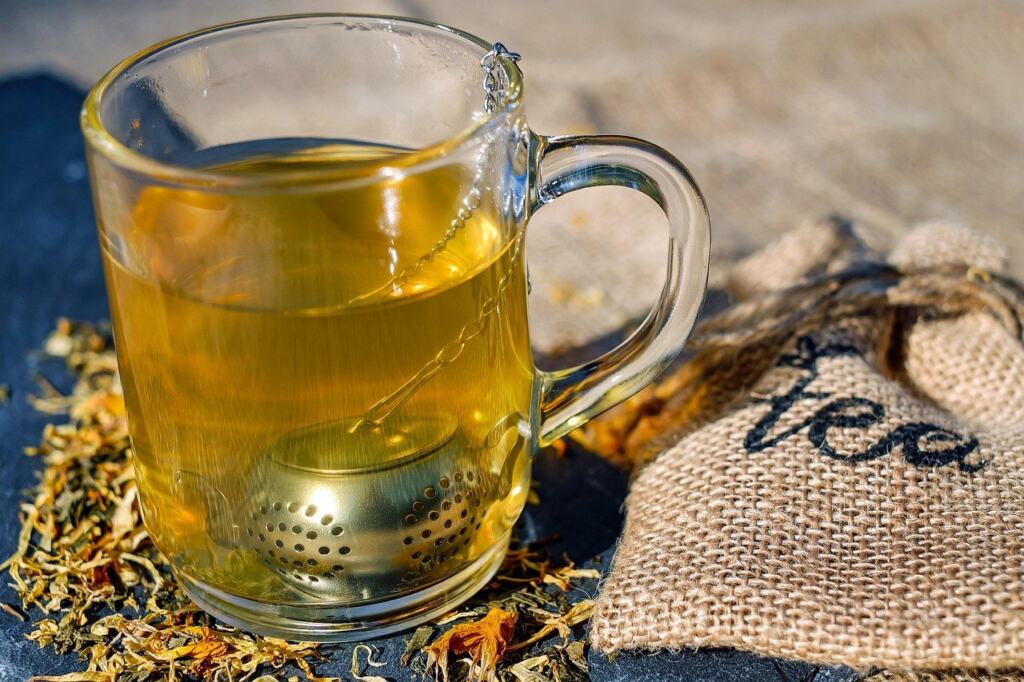
Herbal teas are naturally free from caffeine and FODMAPs according to the Salvo Health guide, which lists peppermint, chamomile and ginger tea as low FODMAP choices. That makes them the easiest drinks to build a routine around.
Peppermint
Peppermint is the standout for lower gut discomfort. A gastroenterologist quoted by Everyday Health says many of her patients get some relief from lower gut symptoms with peppermint tea. That is a clinician’s observation rather than a guarantee, so treat it as a reason to try it.
Blends and bottled teas
The safe herbs are the three named above. For anything else, such as a blend or a bottled tea, read the ingredient list for added sweeteners. Sweetened tea can contain high-fructose corn syrup, and sweeteners ending in “-ol” are best avoided.
Fruit juice portions
Orange juice can fit a low FODMAP routine, but only as a small serving. Everyday Health lists blueberries, grapes, kiwi, lemons, limes, oranges, pineapples and strawberries as low FODMAP fruits suitable for juice, then adds: keep your serving size small. No numeric limit is given there, so use a small glass and watch how you feel.
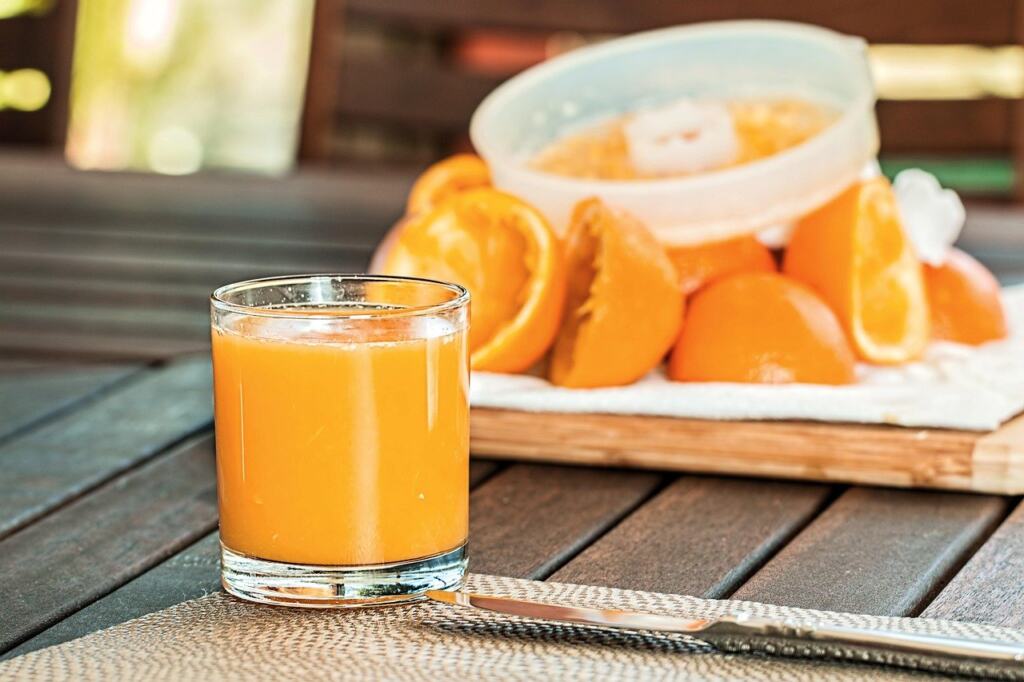
The fruits to steer away from are mangos, apples, pears and watermelon, which can have a very high fructose content. This matters most with bottled juice blends, where one of them may sit behind a friendlier name. Treat a juice you cannot identify as a risk.
Smoothies
A low FODMAP smoothie works when the fruit is measured and the base is lactose-free. One low FODMAP recipe site describes a smoothie that contains 1 1/3 servings of safe low FODMAP fruit per serve, which shows how a recipe can pack in fruit while staying within tested portions.
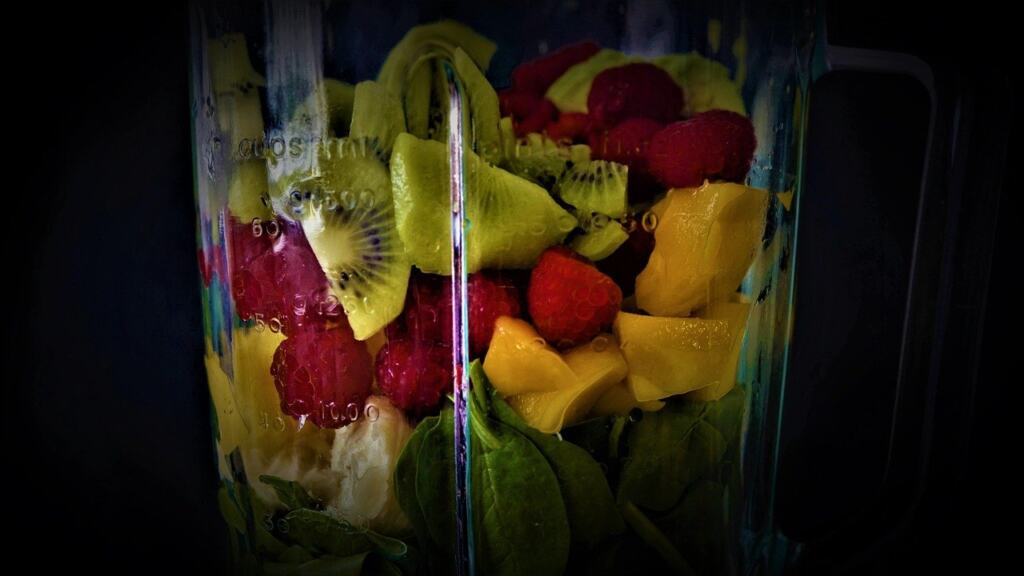
Build the blend from fruit on the low FODMAP list above, add spinach, and use lactose-free milk or another low FODMAP milk. Leave out apple, pear and mango, and skip any sweetened juice used as a liquid. Planning drinks alongside the week’s food is easier with a plan, and our guide to low fodmap meal prep covers that side.
Milk and milk alternatives
Standard cow’s milk is high in FODMAPs because of its lactose, so it is the first thing to replace in coffee, smoothies and cereal. Everyday Health says rice milk, soy milk, oat milk and lactose-free milk are all low in FODMAPs.
Lactose-free milk is the closest swap if you want the taste and texture of dairy, because the lactose has been dealt with while the milk stays milk. Plant milks suit you if you avoid dairy altogether. Some of these products can have a high sugar content, so check the label and choose zero or low sugar versions.
Alcohol and fizzy drinks
Some alcohol is low FODMAP in set portions, but alcohol can have a negative impact on the gut regardless of its FODMAP content, as dietitian Keren Reiser notes. A low FODMAP label is therefore not a promise of comfort with IBS.
- Beer: the Monash University FODMAP app lists one serving of 375 ml (12 oz) as low FODMAP.
- Wine: low FODMAP at a standard portion of 150 ml (5 oz).
- Distilled spirits: low FODMAP at one shot glass (1.5 ounces).
Fizzy drinks need a label check rather than a ban. High-fructose corn syrup is common in soft drinks and fruit drinks, so a sweetened mixer can undo a low FODMAP spirit.
Reading labels for hidden sweeteners
Hidden sweeteners are the most common reason a drink that sounds safe is not. Scan the ingredients for these:
- High-fructose corn syrup: found in soft drinks, sweetened tea and coffee, energy drinks and fruit drinks.
- Sweeteners ending in “-ol”: sorbitol, mannitol, maltitol, xylitol and isomalt are advised against.
- High-fructose fruit: apple, pear, mango or watermelon in a juice or a fruit-drink blend.
If a label lists any of these, choose another drink. Water, herbal tea or black coffee never need this check.
When a safe-looking drink still causes symptoms
Work backwards from the simplest explanation. Caffeine is the likeliest culprit with coffee, since the coffee itself is low FODMAP. A herbal tea that upsets you may contain something beyond a single herb. For portions you are unsure about, the Monash University FODMAP app is the reference most low FODMAP guides point to. If symptoms continue after you have tidied up your drinks, a registered dietitian can help you test one change at a time.
Frequently asked questions
Does the low FODMAP diet help with IBS?
A review published in May 2023, covering 15 studies and more than 900 participants, found that a diet restricting FODMAPs can significantly reduce abdominal symptoms, as reported by Everyday Health.
How do I make ginger tea at home?
Place a piece of ginger in 150ml of boiling water for 10-15 minutes, then strain it, following the method in the Salvo Health guide.
Is green tea a lower-caffeine choice?
Green tea contains caffeine but in lower quantities than black tea or coffee, so it sits between those and caffeine-free herbal teas.
Can I put onion or garlic in homemade vegetable juice?
No. Onions and garlic are considered major contributors to IBS symptoms. Carrots, celery, cucumber, spinach, sweet potatoes, zucchini and eggplant are the low FODMAP vegetables Everyday Health lists for juicing.