A usable low FODMAP food list pairs each food with a tested serving size. For the elimination phase, build meals from plain meats, eggs, tofu, rice, oats and listed produce, and check portions of fruit and vegetables.
This page is a reference, so it does not rank foods. It runs in the order most people build a plate: fruit, vegetables, grains, protein, then dairy. Foods count as low FODMAP here when a dietetic or health source names them as such, and portions are flagged where a source gives them. For cooking ideas, see low fodmap recipes for ibs, and for background on the sugar groups behind the list, read what are fodmaps.
Low FODMAP fruits
Berries, citrus and a few tropical fruits make up most of the fruit that fits. UF Health lists blueberries, cantaloupe, grapefruit, kiwi, lemons, limes, papaya, passion fruit, raspberries and strawberries as low FODMAP, and marks pineapple as one to limit.
Fruits that fit
Strawberries are the easiest fruit to portion. A strawberry serving is 65 g, which is about 5 medium strawberries, according to the IBS Diets food list. Blueberries and kiwi suit breakfast bowls and snacks, while lemon and lime are useful for flavour without adding much to worry about.

Look-alikes and portion limits
Fruit is where look-alikes catch people out. Cleveland Clinic notes that apples, watermelon and stone fruits are high in FODMAPs, while grapes, strawberries and pineapples are fine. A ripe banana is high in fructose, yet up to a third of one, cut up in cereal, is acceptable.
UF Health adds a general caution: fruit can be high in fructose, so avoid eating a lot of any fruit, even the ones on the list. Spread fruit across the day in modest portions rather than stacking several in one sitting.
Low FODMAP vegetables
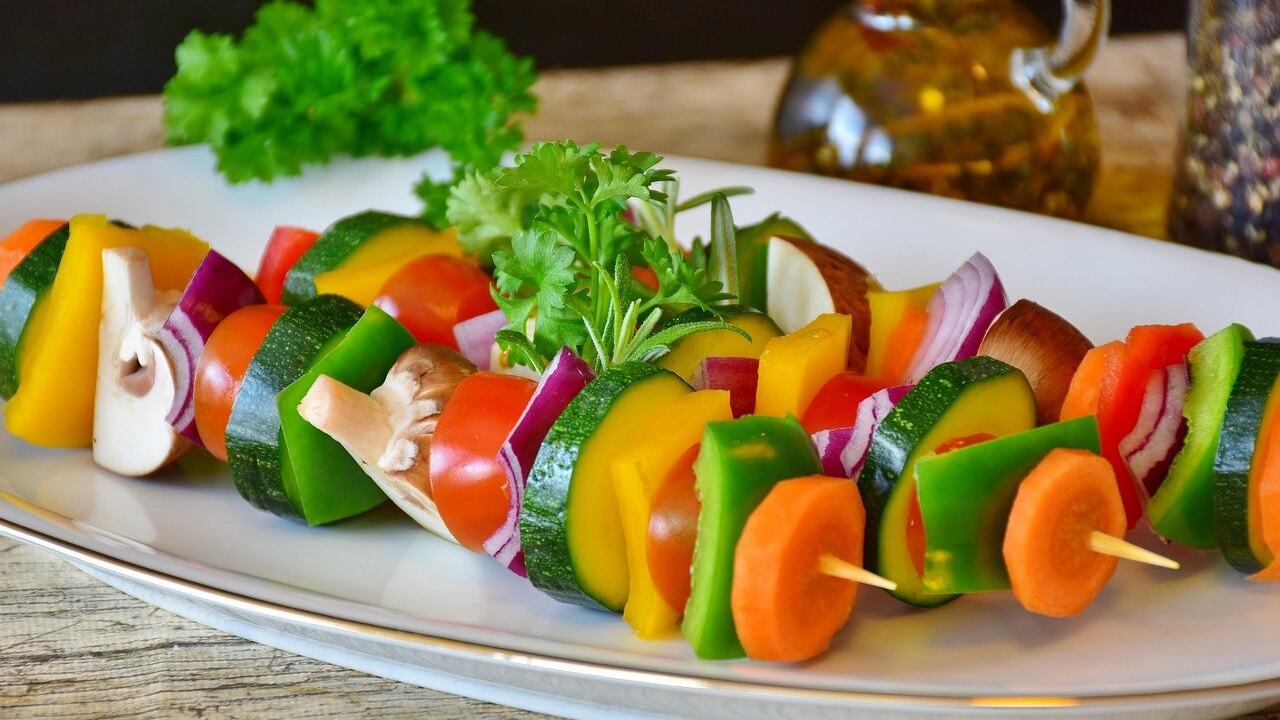
Most everyday salad and stir-fry vegetables are on the list, and the main exclusions are the onion and garlic group. UF Health names bell peppers, bok choy, carrots, celery, chives, cucumber, eggplant, green beans, kale, lettuce and potatoes as low FODMAP.
Vegetables that fit
These make a flexible base for dinners. Carrots, green beans and potatoes cook well in traybakes and soups, and lettuce, cucumber and bell pepper cover raw dishes. Broccoli needs a limit: the IBS Diets list sets a serving limit for heads only, so keep to the florets and measure.
Garlic, onions and other fructan sources
Fructans are the reason many savoury recipes fail on this diet. The Canadian Digestive Health Foundation explains that fructans occur in fruits, vegetables, wheat and legumes, and Cleveland Clinic names onions, garlic, beans, lentils and many wheat products as oligosaccharide sources. Chives are the notable exception, since they appear on the low FODMAP vegetable list while onions and garlic do not. Check any ready-made sauce, stock or seasoning blend for garlic and onion before using it.
Low FODMAP grains
Rice, oats, quinoa and corn-based products are the staple grains, and wheat, barley and rye are the ones to avoid. UF Health lists bread, pasta, cereal, pastries and flours made from corn, potato, rice, oats, quinoa or spelt as low FODMAP.
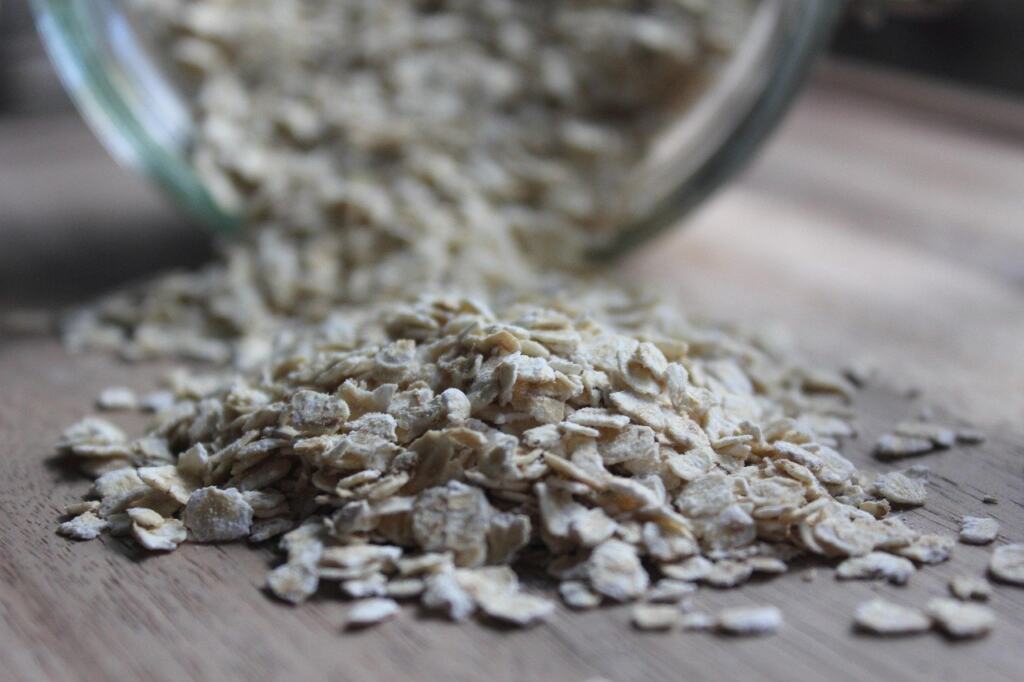
Spelt is the surprise on that list, because it contains gluten yet still appears as a low FODMAP choice. That shows why gluten content is a poor shortcut for judging grains. The foods to leave out are those made with barley, rye or wheat, including breads, cereals, pastas, cookies, snack bars and pastries, and wheat is a known fructan source.
Cleveland Clinic observes that gluten-free grains are lower in fermentable sugars than grains containing gluten. That is a general pattern, so a product made from a gluten-free grain still deserves a look at its ingredients.
Low FODMAP proteins
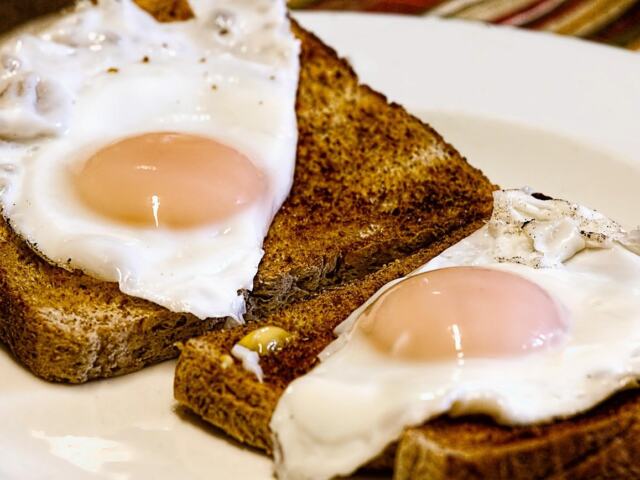
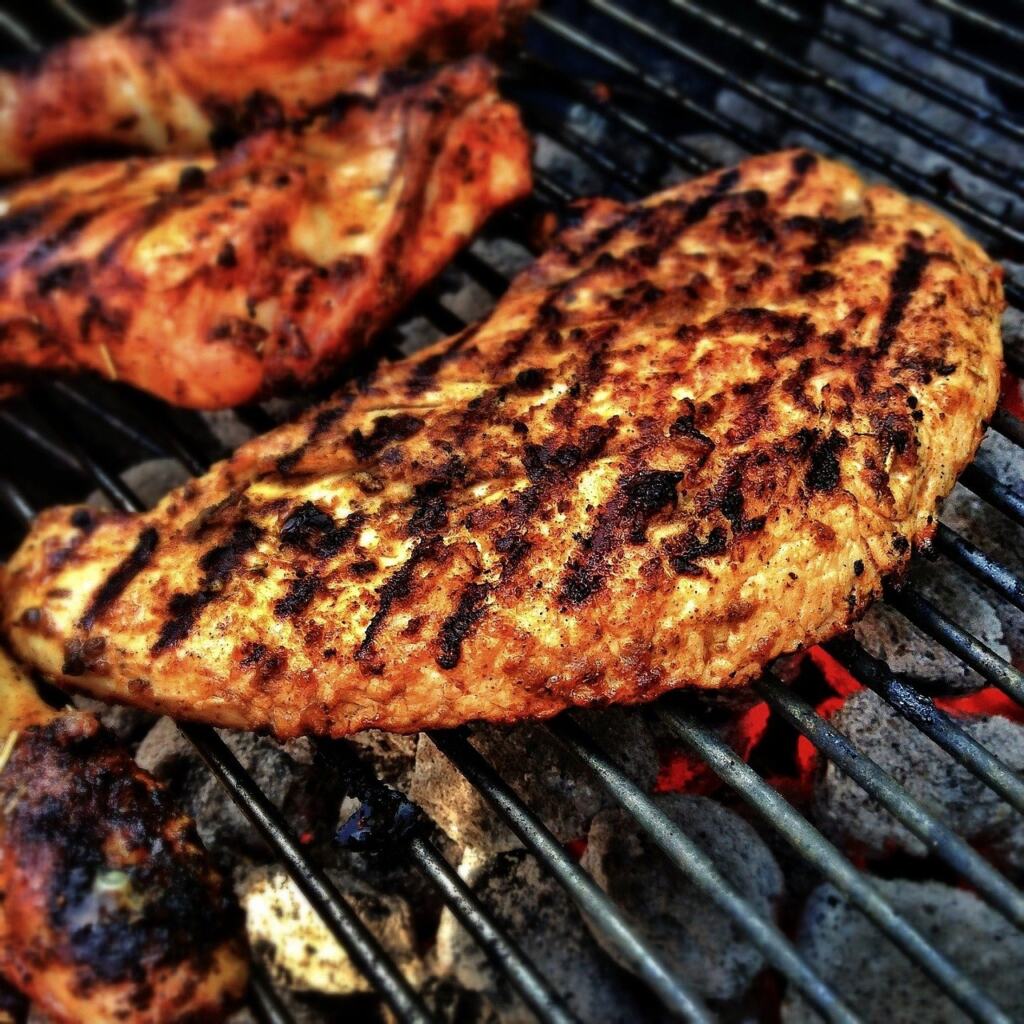
Plain animal proteins are the simplest part of the list. The Canadian Digestive Health Foundation states that beef, lamb, pork, poultry, eggs, fish and seafood do not contain FODMAPs, and UF Health lists plain cooked beef, chicken, lamb, pork and turkey as low FODMAP. Cleveland Clinic adds plain-cooked meats, tofu and eggs to the low-FODMAP protein sources.
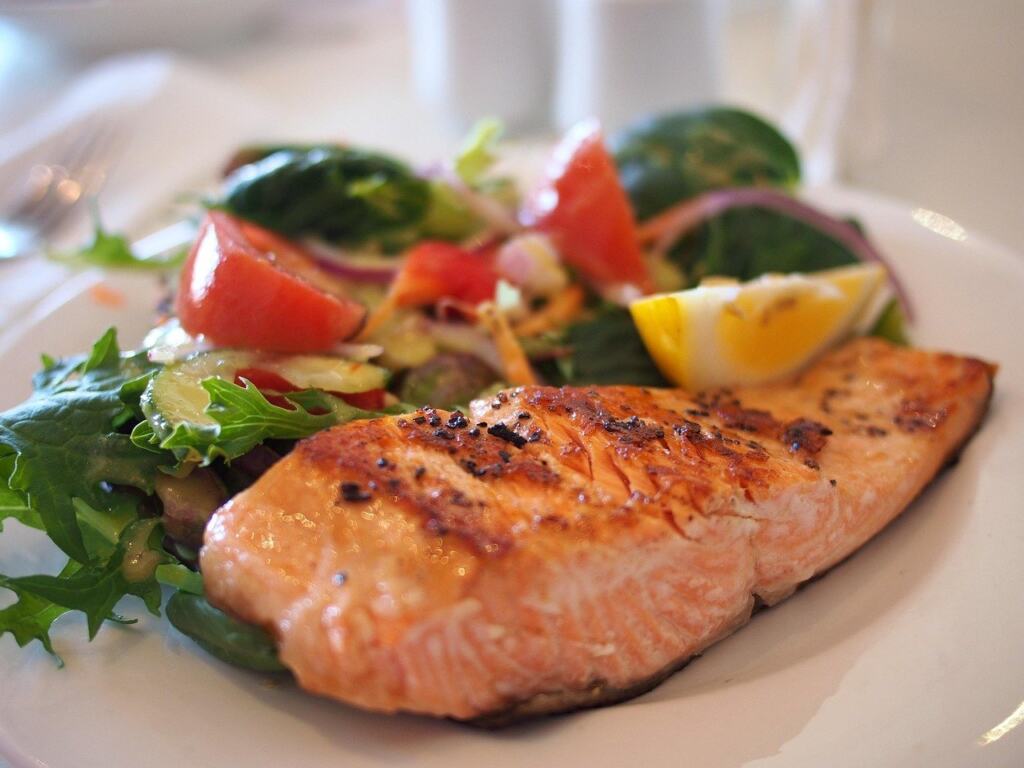
The word that matters is plain. Marinades, rubs and sauces are where garlic and onion arrive, and both are fructan sources. Cook meat, fish and eggs simply, and season with listed ingredients such as chives, lemon or lime.
Beans and lentils are not a safe swap for meat. Cleveland Clinic names them as oligosaccharide sources, which is the same group that includes onions and garlic.
Dairy and dairy alternatives
Regular dairy is the main exclusion in this category, and lactose-free versions are the usual workaround. UF Health lists cow, goat and sheep milk and milk products as high FODMAP.
The reason is lactose, which must be broken down by the digestive enzyme lactase before it can be absorbed, as the Canadian Digestive Health Foundation explains. Lactose-free dairy removes that problem. The UF Health low FODMAP list includes lactose-free milk, lactose-free yoghurt, rice milk, almond milk, cashew milk and aged hard cheeses.
Food group comparison at a glance
| Food group | Typically fine | Look-alikes to check | Planning use |
|---|---|---|---|
| Fruit | Blueberries, kiwi, raspberries, strawberries | Large amounts of any fruit; pineapple is flagged to limit | Keep portions modest and spread fruit through the day. |
| Vegetables | Carrots, cucumber, green beans, kale, potatoes, chives | Garlic and onions, which are fructan sources | Build the base from listed vegetables and leave garlic and onions out of recipes. |
| Grains | Rice, oats, quinoa, corn and potato flours | Barley, rye and wheat-based breads, cereals and pastas | Read labels on breads, cereals and snack bars before buying. |
| Proteins | Plain cooked beef, chicken, lamb, pork, turkey, fish, seafood and eggs | Legumes, which contain fructans | Keep preparation plain, since seasoning is where problems enter. |
| Dairy and alternatives | Lactose-free milk and yoghurt, rice, almond and cashew milk, aged hard cheeses | Cow, goat and sheep milk and milk products | Swap in lactose-free or plant versions rather than dropping the category. |
Groupings in this table follow guidance from UF Health and the Canadian Digestive Health Foundation.
Serving sizes and the Monash app
Serving size is what turns a food from acceptable into a problem, because the same food can be fine in a small portion and an issue in a large one. The banana, broccoli and strawberry examples above all depend on a stated amount, and fructose from fruit adds up across a day.
The Monash University FODMAP app is the main tool for checking portions. Monash University developed the low FODMAP diet and its scientists regularly test the FODMAP content of foods, and the app displays low FODMAP serving sizes for many of the high-FODMAP foods, as the Canadian Digestive Health Foundation notes. Weigh or measure a portion the first few times, and check the app before putting a new food on the plate.

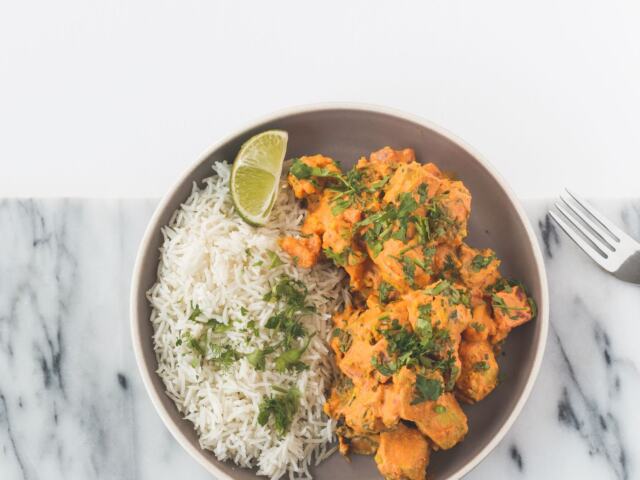
Plain meats, fish and eggs are the easiest place to start, because they contain no FODMAPs and need no portion check. Add rice, oats and listed vegetables next, then bring in fruit and dairy swaps with their portions in mind. A low fodmap meal plan for ibs shows how those pieces combine across a week.
Frequently asked questions
Are gluten-free foods automatically low FODMAP?
No. Gluten-free breads, pastas and cereals can still contain high-FODMAP ingredients, so examine the label for honey, agave, legumes, glucose-fructose or inulin. A product made from rice, oats or quinoa is a better bet than one that simply avoids gluten.
How often do food lists change?
FODMAP content in foods can change over time, so lists may become outdated, and no fixed update interval applies. The IBS Diets food list was last updated September 25, 2026, according to its published page. For current serving sizes, check the Monash app.
How long does the elimination phase last?
Healthcare providers recommend at least 2 weeks and no more than 6 weeks, according to Cleveland Clinic. The Canadian Digestive Health Foundation gives roughly 2 to 6 weeks and says a strict low FODMAP diet is not intended to be permanent.
Do I need a registered dietitian to follow the list?
Not to read it, but a registered dietitian or GI specialist can help set you in the right direction with guidance and menus. That help is useful for the stricter early weeks.