A child who rejects everything except plain pasta still has options. The best healthy dinner recipes for picky eaters keep familiar shapes, such as nuggets, pasta, quesadillas and build-your-own plates, and add vegetables in small, repeatable ways.
The ideas below suit toddlers and school-age children alike, and they sit alongside the wider collection of easy healthy dinner recipes. Pick the format your child already tolerates, then change one thing at a time.
Healthy chicken nuggets
Homemade chicken nuggets are the most direct way to keep a favourite food and improve it. Cool Mom Eats suggests combining chicken, vegetables and bread, then frying or baking the mixture, in fun shapes if you can. The same source frames the approach as finding ways to make a child’s favourite, familiar foods healthier, with nuggets and pizza sauce as examples.
Baking is the simpler route for a weeknight sheet-pan dinner. Shapes matter because they keep the food recognisable, so cutters or a hand-shaped nugget can make a changed recipe feel like the old one. This formula suits children who already accept nuggets. It is a method rather than a fixed recipe, so the texture of the mixture is yours to adjust.
Chicken can also arrive in other familiar forms. Our Happy Mess lists Greek chicken bites marinated in Mediterranean flavours, served with pita, rice or simply a fork. That suits children who like finger food but are ready for a little more seasoning.
Pasta dinners
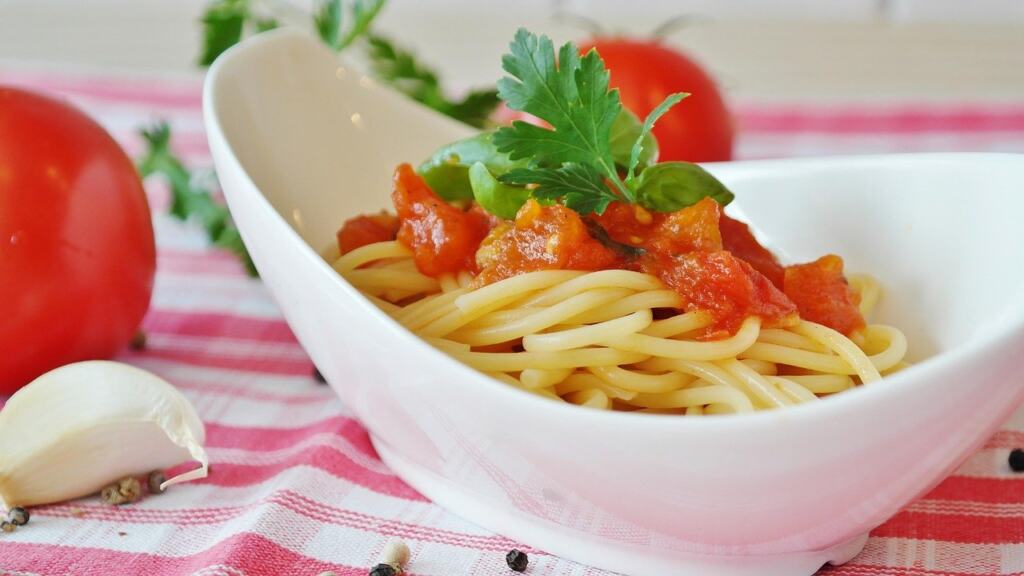
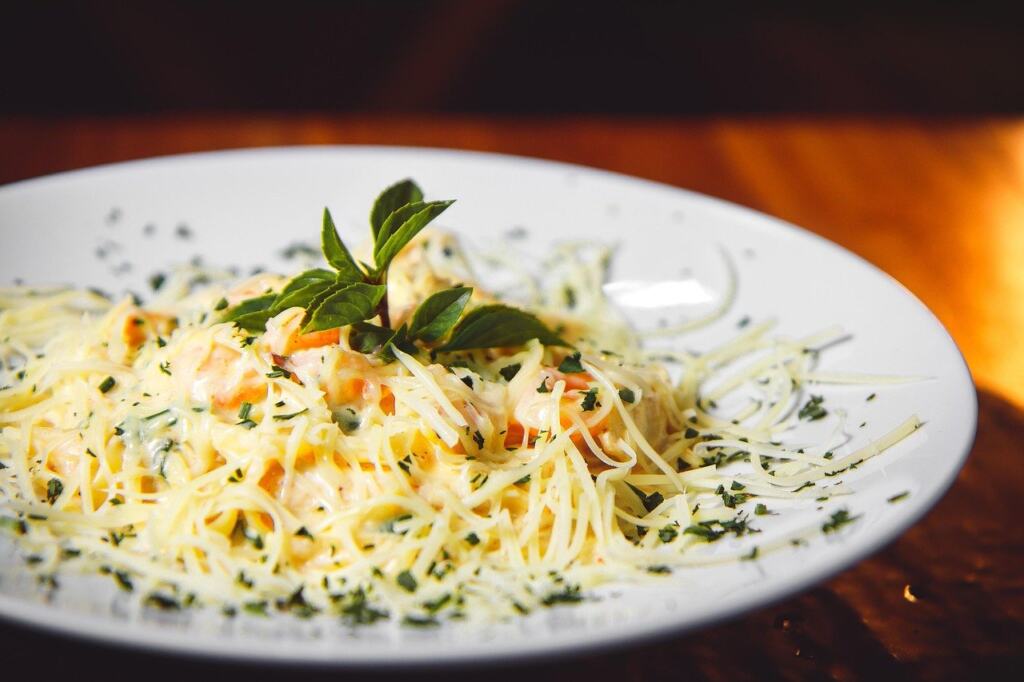
Pasta is the safest base for a picky eater’s dinner. Our Happy Mess goes as far as saying there is not a single pasta dish that kids ever refuse, which is a confident claim from one food blog rather than a rule. It is still a reasonable reason to start here.
The same source reports that a chicken pasta primavera earns requests for second helpings, with barely any leftovers surviving. Primavera suits families who want vegetables and protein in the pasta itself. It is less suited to a child who objects to anything mixed in, and for that child it is better to serve the pasta plain and the vegetables beside it.
Quesadillas and pizza-style dinners
Cheesy tortilla dishes are among the easiest wins. Our Happy Mess notes that anything cheesy and tortilla-based is instantly considered kid-approved. The same source recommends using vegetables as pizza toppings, naming sun-dried tomatoes, red onions, bell peppers and olives.
A quesadilla is also the easiest place to tuck in a vegetable. Happiest Baby calls it one of the easiest ways to sneak veggies into a toddler’s diet. Its method is to chop broccoli tips finely, place them inside with the cheese and melt the quesadilla on the stovetop or in the oven. Fine chopping is the key step, because large pieces are easy to spot and pick out.
Vegetable mashes and familiar sauces
Vegetable purees and mashes work when they look and taste like something the child already eats. Cool Mom Eats describes a roasted garlic and chive cauliflower mash as very similar in taste and texture to mashed potatoes. It suits children who already eat mashed potato, and it goes well beside plain protein such as nuggets or chicken pieces.
The limit is texture. Cool Mom Eats points out that the leafy green texture bothers some picky eaters, so a smooth mash can succeed where a salad fails. For a child who objects to visible vegetables, start with the mash or a finely chopped filling before moving to anything recognisable on the plate.
Healthy toddler dinner ideas
Toddler dinners work best when the food is easy to grip and the plate is predictable. Happiest Baby lists a chicken nugget mashed potato bowl as pure comfort food. It also suggests bite-sized pasta such as tortellini, which it describes as a great gripping size for tiny hands.
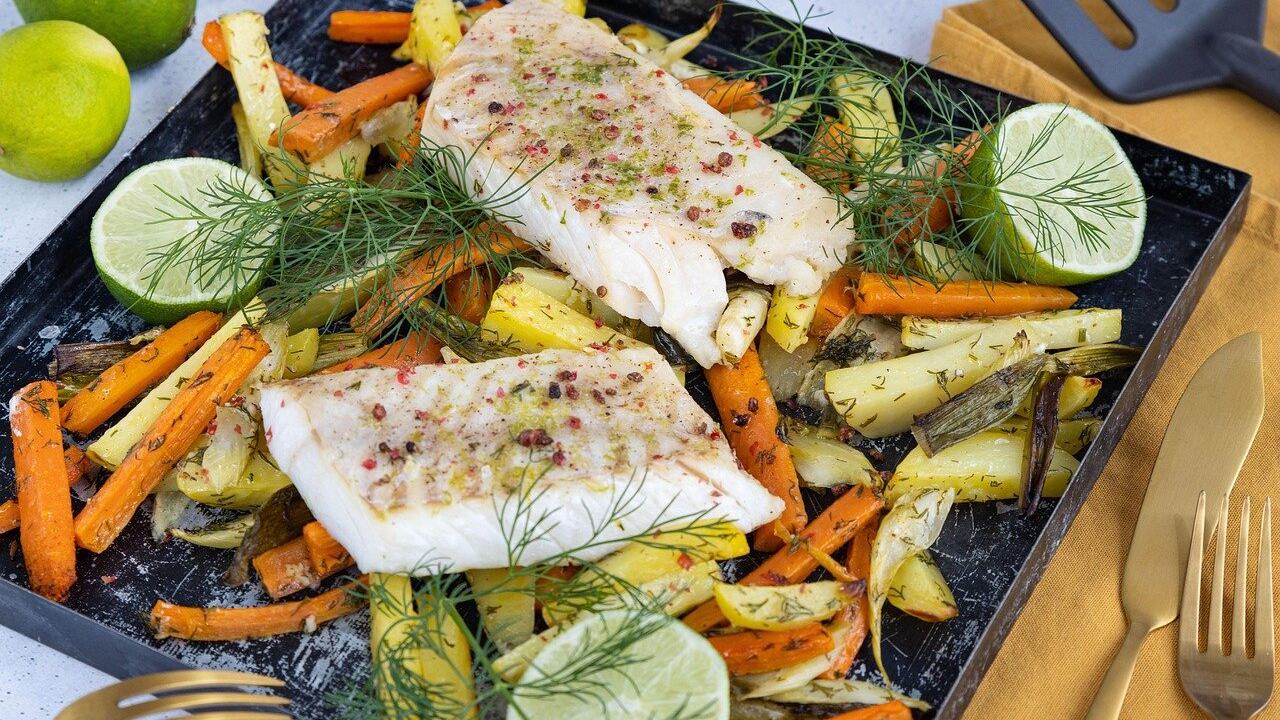
Another toddler dinner from the same source is salmon and broccoli roasted with salt and olive oil in the same pan until both are tender, served with macaroni and cheese. Flake the fish so there is no large piece to wrestle with. Families who like the single-tray format can apply it to chicken with a one pan healthy chicken and vegetable dinner.
Two plate tricks help with sensory objections. Happiest Baby advises embracing the obsession with foods not touching and buying plates with compartments. For slippery foods such as flaked fish and shredded chicken, it suggests offering toothpicks, because medium-sized foods can feel slimy if picked up by hand. Toothpicks are only for children old enough to use them safely under supervision.
Build-your-own and family dinners
Deconstructed meals let one dinner serve a whole table. Components stay separate, so each child assembles what they will eat and ignores the rest. A taco or bowl spread works on the same principle as a compartment plate, with no ingredient forced to touch another.
A no-cook version is a hummus bowl. Cool Mom Eats suggests putting raw vegetables and hummus together in a big bowl with plain rotisserie chicken for protein. It suits nights with no time to cook, and families watching the budget can find more ideas in these healthy cheap dinner recipes.
Dinner formulas at a glance
| Dinner formula | How the food is built | Suits | Planning use |
|---|---|---|---|
| Chicken and veggie nuggets | Chicken, vegetables and bread combined, then fried or baked | Children who insist on nuggets | Cut into fun shapes to keep the food recognisable |
| Broccoli cheese quesadilla | Finely chopped broccoli tips with cheese, melted on the stovetop or in the oven | Tortilla-and-cheese fans | Chop finely so the broccoli does not stand out |
| Cauliflower mash | Roasted garlic and chive cauliflower, similar to mashed potatoes | Mashed-potato eaters | Serve beside a protein the child already accepts |
| Salmon, broccoli and macaroni | Salmon and broccoli roasted in the same pan with salt and olive oil until tender, with macaroni and cheese | Toddlers | Flake the fish for easier handling |
| Hummus chicken bowl | Plain rotisserie chicken, raw vegetables and hummus in one bowl | No-cook nights | Keep components separate for deconstructed serving |
These formulas draw on dinner ideas from Cool Mom Eats and Happiest Baby.
Repeated exposure, portions and the dinner table
A food a child refuses today is not a failed recipe. BBC Good Food notes that you may need to present a particular vegetable or dish a number of times. It gives no fixed count, so keep serving the food in a low-pressure way rather than judging it on a single attempt.
Portion size is the other lever. The same source advises offering really small portions of a new food so it does not look overwhelming. Put a small amount beside a food the child already eats, and let them ask for more.
The household also teaches. BBC Good Food says household eating habits play a major role in whether a child accepts or rejects a new food, and it points to parents and siblings eating the food as encouragement. It suggests putting on relaxing music and trying to sit down and eat together as a family. A shared, calm dinner does more here than a separate “kids’ meal”.
Choosing the right dinner for your child
- Start with what is already eaten. Use nuggets, pasta, quesadillas or mashed potato as the base rather than introducing an unfamiliar dish.
- Change one thing at a time. Add finely chopped broccoli, swap in a cauliflower mash or add a vegetable topping, then leave everything else alone.
- Match the plate to the child. Use compartment plates for children who dislike foods touching, and a build-your-own spread for mixed ages.
- Keep portions small for new foods. Serve a little next to a safe food.
- Repeat without pressure. Serve a refused food again on another night and eat it at the table yourself.
Frequently asked questions
Is picky eating normal?
Yes. BBC Good Food says most children will experiment with some form of fussiness or food refusal at some stage.
How should a child’s diet be judged if dinner goes badly?
Look across the week rather than at a single meal. BBC Good Food treats intake as reasonable when a child is eating all the main food groups, is active and is not losing weight.
Why do some children refuse leafy greens?
Texture is a common reason. Cool Mom Eats notes that the leafy green texture bothers some picky eaters, which is why smoother options such as a mash can be easier to start with.
Can vegetables go into dinner without the child noticing?
Yes, in foods where they blend in. Finely chopped broccoli inside a cheese quesadilla and a cauliflower mash that resembles mashed potato are two examples from the sources above.