| Starting point | What the evidence gives you | Planning use |
|---|---|---|
| Stir-fry with a make-ahead sauce | The sauce comes together in less than five minutes and can be made a day ahead and kept in the fridge | Mix the sauce the evening before, so dinner is only chopping and cooking. |
| Frozen cooked brown rice | Reheats in the microwave in about three minutes | A ready rice base for nights when no pot is going on the stove. |
| Quinoa bowl | The USDA standardized recipe credits one quinoa bowl with ½ cup total vegetable, 2.00 oz eq meat/meat alternate and 2.00 oz eq grains | A reference plate for balancing vegetable, protein and grain. |
These figures come from the A Healthy Slice of Life stir-fry recipe and the USDA quinoa bowl recipe for schools.
Easy healthy dinner recipes work best as a repeatable pattern: vegetables, a protein, a grain base and a little oil, with sauces prepared ahead. Pick one method first, then vary the ingredients.
This guide sorts dinners by method and by need. If you already know what you want, jump to the guides for healthy slow cooker dinner recipes or healthy 30 minute dinner recipes. Otherwise, read on to choose where to start.
Building a healthy dinner that stays easy
A healthy easy dinner is a short-prep meal that follows the pattern MedlinePlus describes: a variety of fruits and vegetables, fat-free or low-fat dairy, various protein foods, and oils. That is the working answer to what healthy easy dinner recipes are. Every method below is judged on the same checklist: a vegetable doing real work, a protein you can name, a base that fills the plate, and a modest amount of oil.
A plate pattern to start from
Begin with the vegetable, because it decides how long the recipe takes to prep. Fast-cooking vegetables suit a stir-fry or a bowl. Sturdier ones suit a roasting pan or a slow cooker. Choose the protein next, and vary it from week to week, since the MedlinePlus pattern calls for various protein foods rather than a single favorite. Add a base such as rice or quinoa so the meal is filling without extra effort.
Oil comes last and should stay modest. Olive oil is the simple all-purpose choice for roasting, stir-frying and dressing a finished bowl, and it keeps the ingredient list short. If you are cooking for someone who finds heavy, greasy meals uncomfortable, keep the oil measured and let herbs and citrus carry the flavor instead.
Using a USDA quinoa bowl as a portion reference
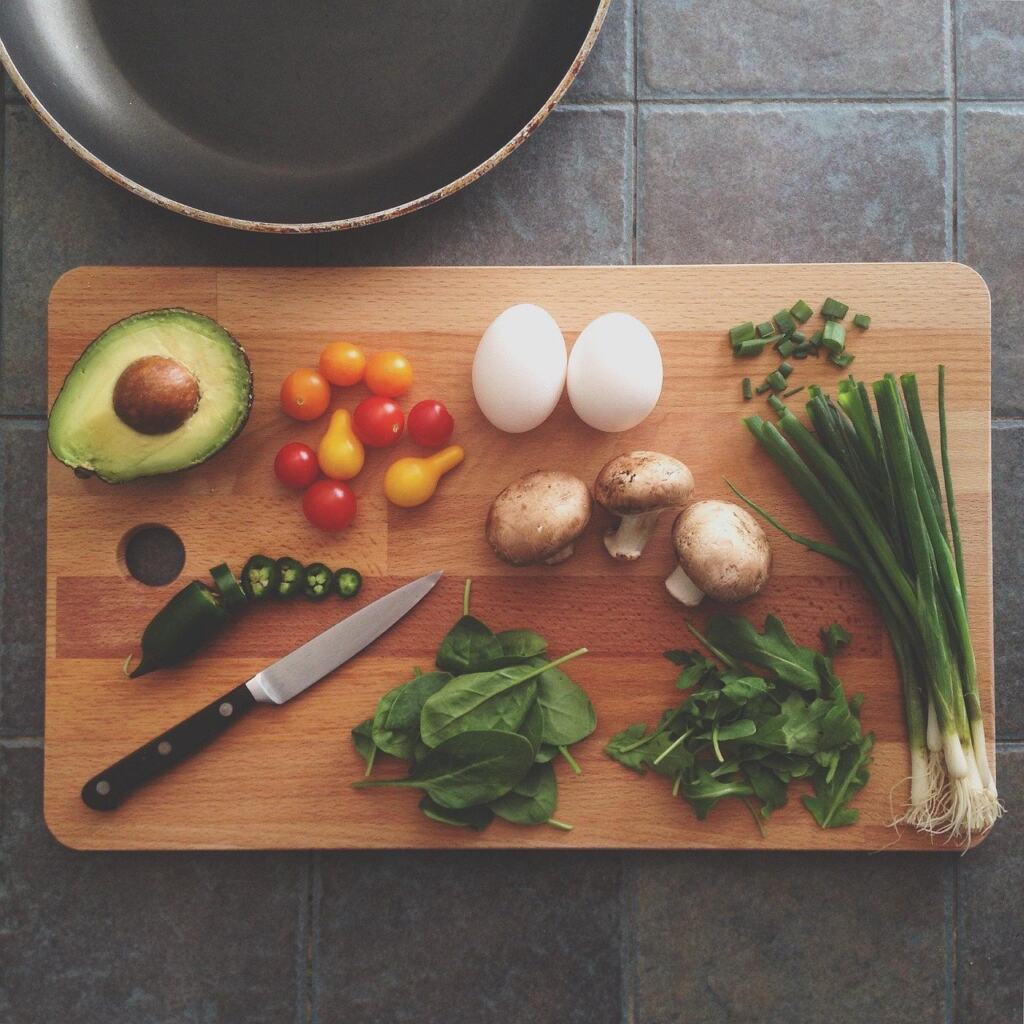
The USDA standardized quinoa bowl recipe credits one quinoa bowl with ½ cup total vegetable, 2.00 oz eq meat/meat alternate and 2.00 oz eq grains. Those are crediting values for school meal service, so treat them as a picture of proportion, not a personal target. The useful lesson is the shape of the bowl: a clear vegetable share, a defined protein and a grain base, all in one dish.
If you cook for adults, teenagers or anyone with a bigger appetite, scale the bowl up while keeping the same proportions. If you cook for small children, scale it down. The pattern transfers even though the exact amounts will not.
Stir-fry and one-pan dinners
Stir-fries and one-pan dinners are the best first step for anyone new to weeknight cooking, because the whole meal happens in a single pan and the cleanup is small. They also adapt well to gluten-free and dairy-free needs, since the flavor comes from the sauce and the vegetables rather than from cheese or wheat.
Stir-fry with a sauce made ahead
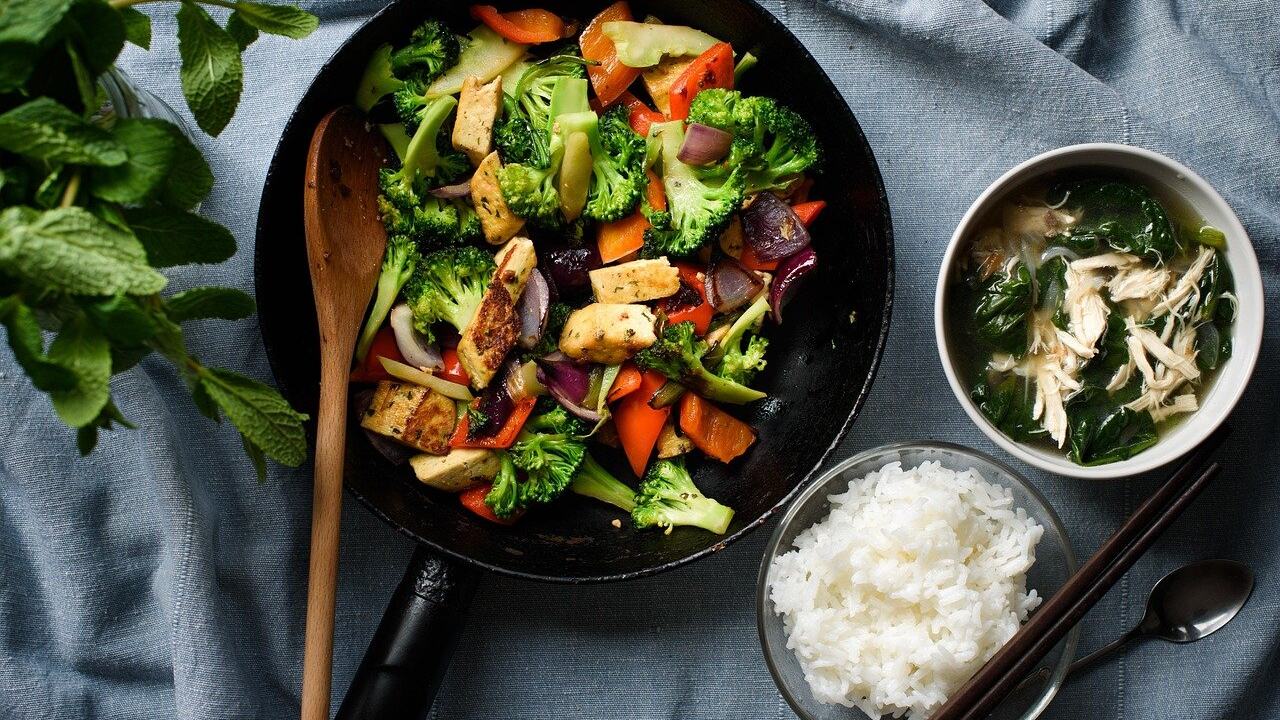
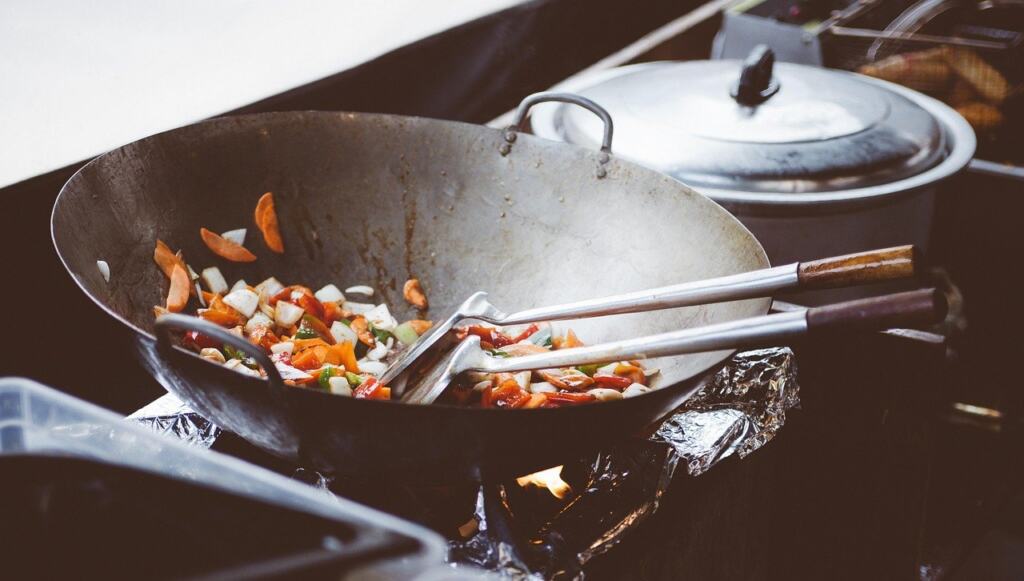
A good stir-fry depends on the sauce, and the sauce is the part you can finish early. The A Healthy Slice of Life stir-fry pairs a sauce that comes together in less than five minutes with a simple cooking routine. Because the sauce takes so little time, there is no reason to buy a bottled version with a long label, and making it yourself lets you control the salt.
For the chicken, follow the recipe’s cue: cook until the chicken is cooked through and no longer pink in the center. Cut into the thickest piece to check, and if you own a food thermometer, confirm against USDA’s safe-temperature guidance. Add the vegetables according to how firm they are, with the densest first and leafy greens last, so nothing turns limp.
Sheet pan and one-pan dinners
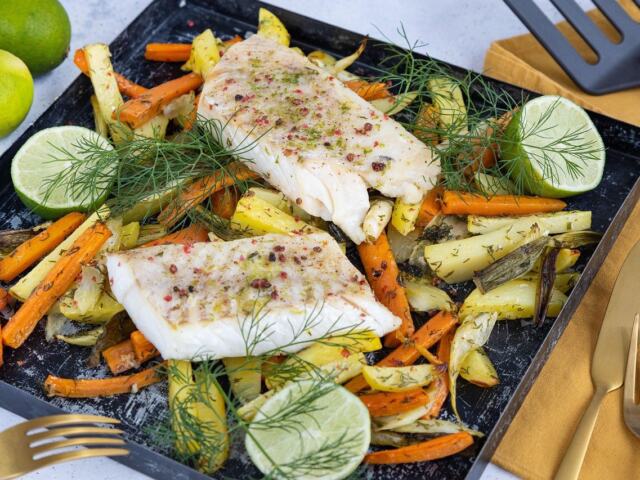
Sheet pan cooking is a staple of easy healthy recipe collections. Country Living’s healthy recipes page lists easy sheet pan dinner recipes as a category of their own. The method is simple: spread the protein and vegetables on one pan, season, roast and serve. Cut the pieces to a similar size so they finish together, and keep the vegetables in a single layer rather than piled up.
Chicken and vegetables is the classic combination, and the guide to a one pan healthy chicken and vegetable dinner walks through it in detail. Choose a sheet pan dinner when you want the oven to do the work and you do not want to stand at the stove. Choose a stir-fry when you want dinner on the table before the oven would have preheated.
When time is shortest
On the tightest evenings, the right move is a recipe designed around speed from the start rather than a longer recipe rushed. The collection of healthy 30 minute dinner recipes is built around that idea, and it pairs naturally with a sauce or rice you prepared earlier in the week.
Quinoa, rice and bowl dinners
Bowls are the most flexible dinner format. One base, one protein and a pile of vegetables can be rearranged into many different meals, and they suit households where people want different toppings from the same pot.
Quinoa as a one-pot base
Quinoa is a good base when you want a grain-style dinner that cooks in a single pot. The USDA recipe is a useful example of how it scales: the school version uses 8 lbs of dry quinoa for 50 servings, with 30 minutes of prep and 1 hour of cooking for the whole batch. At home the batch is far smaller, but the principle holds that one pot of quinoa can feed a whole week of bowls.
Cook the quinoa in one pot, then build the rest of the dinner around it. Add beans or chicken for protein, whatever vegetables are in the fridge, and a dressing made with olive oil and lemon. Finish with herbs. The result is a bowl that is naturally friendly to gluten-free and dairy-free eating, because nothing in it depends on wheat or cheese.
Burrito bowls and salads
A bowl built on rice or quinoa also works as a taco-style dinner. The recipe for a healthy burrito bowl recipe shows how to layer beans, vegetables and a protein over a grain, with salsa or lime for brightness rather than heavy sauces. For nights when you want something cold and crisp, the ideas in healthy dinner salad recipes turn a salad into a full meal by adding a protein and a grain.
Vegetables on the side
When the main dish is a protein and a grain, a vegetable side rounds out the plate. A simple roasted or steamed vegetable, dressed lightly with olive oil, is often enough. For more ideas, see healthy vegetable side dishes for dinner.
Simple proteins: chicken, shrimp and beyond
A plain protein is the quickest way to anchor a dinner, and the flavor can come from a marinade, a squeeze of citrus or fresh herbs. Because MedlinePlus describes a pattern with various protein foods, it makes sense to rotate between chicken, seafood and plant proteins rather than repeating the same one every night.
Chicken with a quick marinade
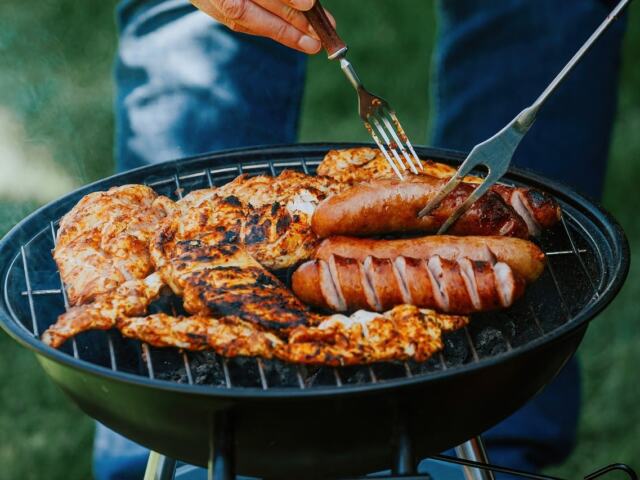
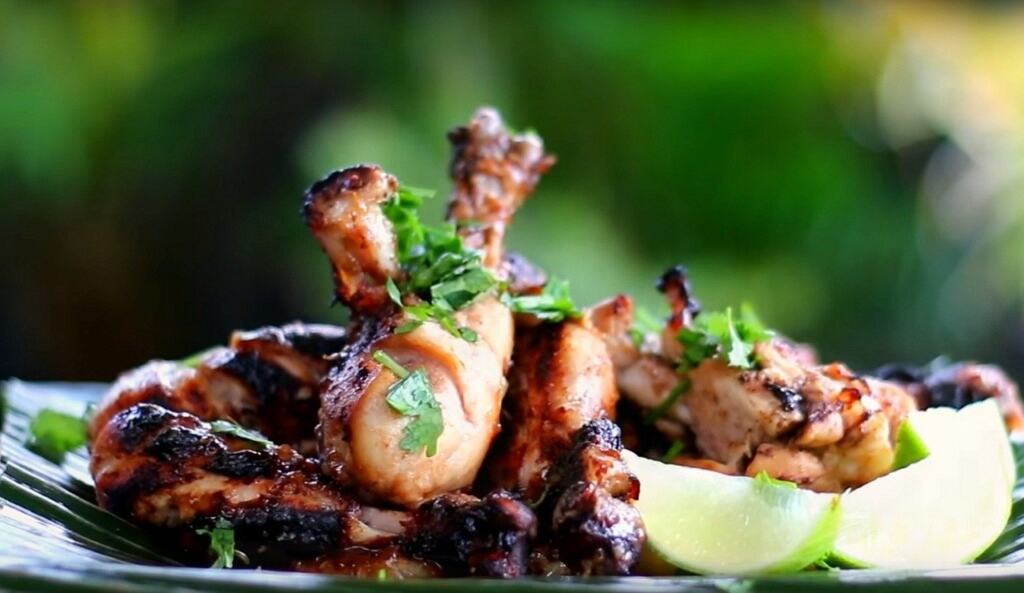
Grilled or pan-cooked chicken with lime and herbs is the simplest high-flavor dinner on this page. Marinating adds flavor before the chicken ever hits the heat, and a short list of ingredients is enough. The collection of healthy chicken marinade recipes covers the options, so you can vary the flavor without changing the method.
Shrimp for the fastest dinners
Seafood is a good fit when you want a protein that is ready in minutes. A recipe roundup such as the Country Living collection lists dishes like glazed shrimp-and-fig skewers, which shows how far shrimp can go beyond a plain sauté. For a focused set of options, see healthy shrimp dinner recipes.
High protein and lower carbohydrate choices
If you want to build dinners around protein, the guide to high protein healthy dinner recipes develops that approach. If you would rather reduce grains and starches, the category is large: one Country Living roundup alone lists 54 easy low-carb recipes. A narrower selection helps, and the guide to easy low carb dinner recipes filters that range down to dinners that are straightforward to cook.
Slow cooker dinners
A slow cooker suits households where nobody is home to cook in the late afternoon. You assemble the dinner in the morning or the night before, and it is ready when you are. Country Living’s healthy recipes page includes a category of healthy Crock-Pot recipes for easy dinners, which confirms this is a standard approach rather than a niche one.
Choose the slow cooker for soups, stews, shredded meats and bean dishes, where long, moist cooking suits the dish and a soft texture is the goal. It is also a sensible option if you want dinners with a gentle texture. Avoid it for dishes that depend on crisp vegetables or a quick sear, where a stir-fry or sheet pan is the better tool. The full set of options is in the guide to healthy slow cooker dinner recipes.
Choosing between methods
| Method | Suits | Watch for |
|---|---|---|
| Stir-fry | Nights when you want dinner fast and have a sauce ready | Overcrowding the pan, which steams instead of sears |
| Sheet pan | Hands-off cooking with minimal stovetop work | Pieces cut to uneven sizes that finish at different times |
| Slow cooker | Busy afternoons and soft, simple dishes | Dishes that need crisp texture |
| One-pot quinoa or rice bowl | Batch cooking and mixed toppings for the household | Bland bowls if the seasoning is skipped |
The method categories follow how Country Living groups its sheet pan and Crock-Pot dinners, with the stir-fry detail drawn from A Healthy Slice of Life.
Gluten-free and dairy-free dinners
Healthy gluten-free and dairy-free dinners are ordinary recipes with a few deliberate swaps, and they are a normal category rather than a special diet. MedlinePlus sorts its recipes under labels that include Dairy Free, Gluten Sensitive and Low Sodium, which shows how common these needs are.
Gluten-free swaps
Start with the base. Swap wheat pasta for rice, rice noodles or quinoa, all of which suit the stir-fry and bowl formats above. Then read the label on any sauce, because soy sauce and packaged sauces vary by brand and may contain ingredients you need to avoid. Making the sauce yourself, as in the quick stir-fry sauce above, is the most reliable way to know what is in it. If you have a diagnosed condition, follow your clinician’s advice on what counts as safe.
Dairy-free swaps
Most savory dinners need less dairy than people expect. Cook with olive oil in place of butter, and finish bowls with lemon, herbs or a drizzle of oil instead of cheese. Dairy is part of the pattern MedlinePlus describes, so if you skip it, it makes sense to lean on the other food groups in the pattern rather than assuming the plate is complete. The sheet pan and quinoa bowl recipes in this guide need no dairy at all.
Because the unique angle here is gentle, simple dinners, keep the swaps simple too. Change one ingredient at a time, so that if something does not agree with you, it is easy to tell which swap was responsible.
Adding flavor without lots of salt
The way to add flavor without lots of salt is to use ingredients that taste of something: acid, herbs, spices and aromatics. Salt then becomes a small finishing touch rather than the main source of flavor.
Start with pantry labels
Salt often enters a dinner through canned and bottled ingredients. The USDA quinoa bowl recipe shows the approach: it calls for low-sodium canned black beans that are rinsed and drained, and low-sodium soy sauce, alongside olive oil. Reading the label before you buy is the simplest change you can make. MedlinePlus’s Low Sodium recipe category points the same way.
Aromatics
Onion and garlic are the traditional flavor base for a savory dinner. They build depth in a stir-fry sauce, a marinade or a pot of beans without adding salt. Add them early to a hot pan with a little olive oil so the flavor spreads through the dish.
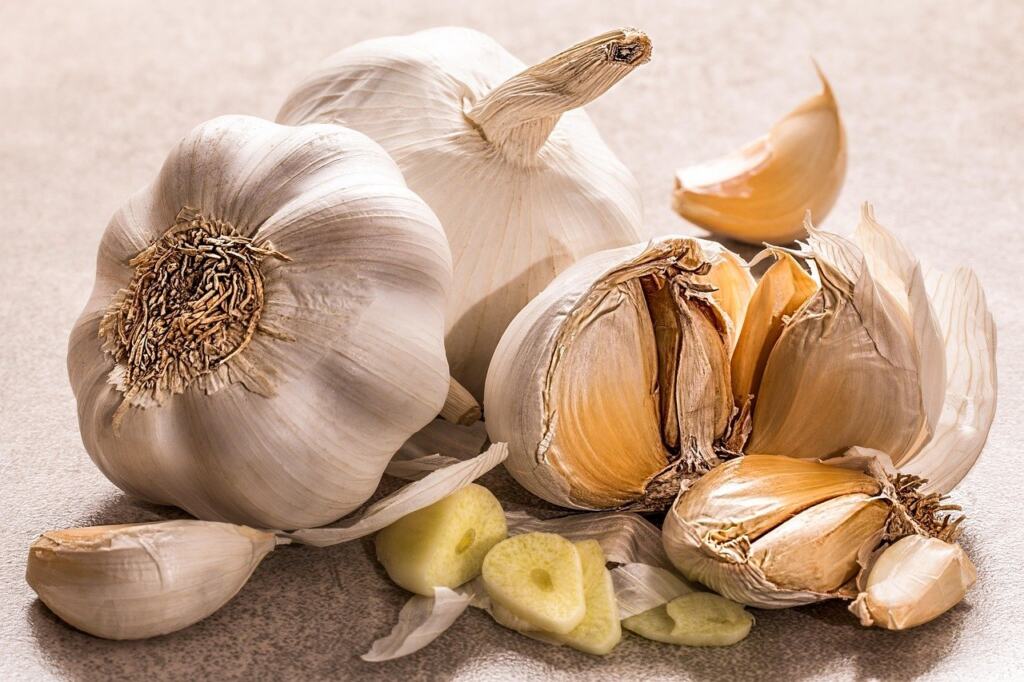
If onion and garlic do not sit well with you, you do not have to give up flavor. The collection of dinner recipes without onion and garlic shows how to replace them with other seasonings and keep the dinner interesting.
Fresh herbs, citrus and spices
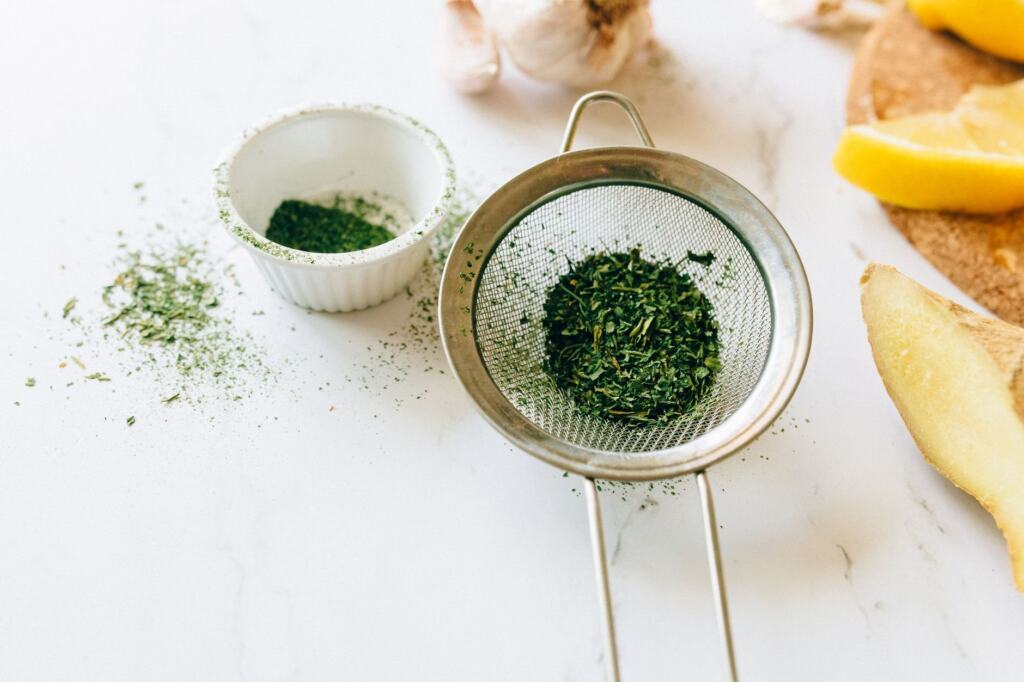
Acid and fresh herbs wake up a dish at the end of cooking, when salt would otherwise be added. A squeeze of lemon or lime over grilled chicken, a handful of chopped herbs over quinoa, or a pinch of a favorite spice in the oil before the vegetables go in can all do the work. Spices are best added early so they bloom in the oil, while herbs and citrus belong at the end.
Meal prep, storage and reheating
Meal prep for dinner does not have to mean cooking a full week of meals on Sunday. The most useful prep is a component or two: a sauce, a pot of grain, a tray of roasted vegetables. Those components turn dinner into assembly.
What keeps and reheats well
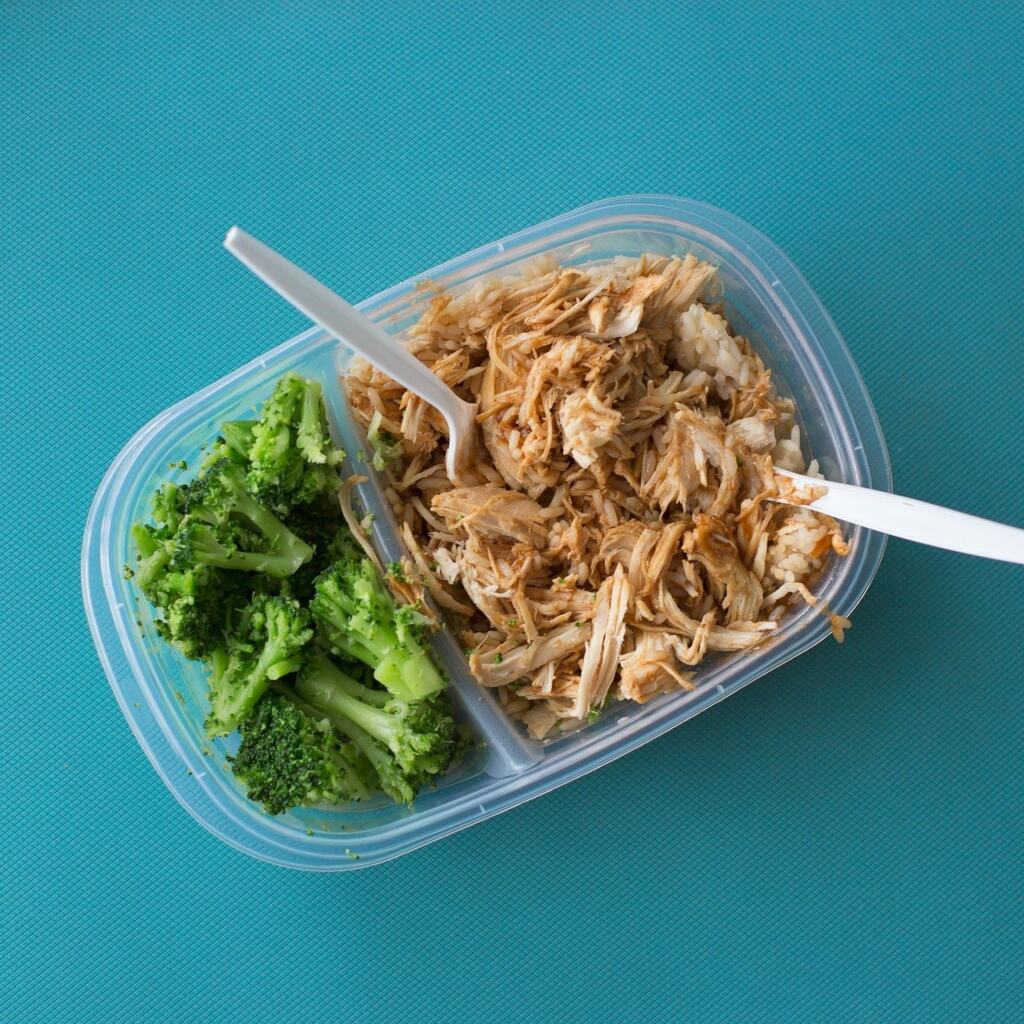
Sauces are the easiest make-ahead item. The stir-fry sauce from A Healthy Slice of Life can be made a day ahead and kept in the fridge, so the evening cook only has to heat the pan. Rice is the second easy win. Cooked brown rice stored in the freezer reheats in the microwave in about three minutes, which makes a grain base available any night without a pot on the stove.
Safe handling
Reheat leftovers until they are hot all the way through, and use a food thermometer with USDA’s safe-temperature guidance if you want a precise check. Store cooked food in the fridge or freezer promptly rather than leaving it out on the counter. For more ideas on what to batch and how to portion it into containers, see healthy dinner meal prep ideas.
Checking nutrition values with FoodData Central
If you want per-serving nutrition for a dinner, USDA FoodData Central is the reference to use. It describes itself as USDA’s comprehensive source of food composition data, with multiple distinct data types for nutrition analysis. You look up each ingredient, then add up the values for the amounts in your recipe.
Note that the Foundation Foods and SR Legacy data are updated every 2 years, so values for a given food are a good guide, not a laboratory measurement of your exact ingredient. Brand-name products and home recipes will always vary, which is another reason to treat nutrition numbers as estimates when planning meals.
Matching dinners to your household
The right dinner depends on who is eating it. A few situations change the decision more than any single recipe does.
- Cooking for a pair: smaller batches and fewer leftovers call for different planning. The guide to healthy dinner recipes for two sizes recipes for exactly that.
- Cooking on a tight budget: pantry staples such as rice, beans and seasonal vegetables stretch furthest, and healthy cheap dinner recipes collects dinners built that way.
- Cooking for children who resist new foods: bowls and build-your-own formats let everyone choose their own toppings, and healthy dinner recipes for picky eaters develops that approach.
Whatever the household, the starting point is the same: choose one method from this page, make it twice, and adjust the seasoning and swaps until it suits the people at your table.
Frequently asked questions
Is USDA FoodData Central free to use?
Yes. The data is public domain, published under CC0 1.0 Universal, and users are asked to list FoodData Central as the source.
Do healthy dinners have to include dairy?
No. MedlinePlus includes fat-free or low-fat dairy in its description of a healthy pattern, yet it also lists Dairy Free as a recipe category. A dairy-free dinner works when the plate still includes vegetables, a protein and a grain or other base.
Which method should a beginner try first?
Try a stir-fry with a sauce made the day before, or a sheet pan dinner. Both use one pan, need little technique and adapt easily to gluten-free and dairy-free swaps.
Can I swap the base in a bowl dinner?
Yes. Rice, rice noodles and quinoa are interchangeable in most bowls and stir-fries. Check the labels on any packaged sauce, and keep the vegetable and protein shares the same.