Shrimp cooks in minutes, so healthy shrimp dinner recipes depend on timing: take the pan off the heat when shrimp turn pink and curl into a loose C, before they tighten into an O.
Pan-seared, baked, stir-fried and taco dinners all follow the same visual cues. For more weeknight ideas beyond shrimp, browse our easy healthy dinner recipes.
Stopping shrimp from turning rubbery
Overcooked shrimp is the most common reason a light shrimp dinner disappoints. The window between done and overdone is short, so watch the shrimp rather than the clock. A healthy garlic shrimp stir fry from Erin Lives Whole gives the clearest rule: cook just until the shrimp turn pink, about 2 minutes, and treat a tight “O” curl as the sign they are overcooked. A loose C shape is the sign they are done.
- Check colour first. The creamy garlic shrimp recipe from The Movement Menu cooks shrimp until just opaque throughout. Any translucent grey patch means a little more time.
- Check the curl second. A loose C means stop. A shrimp pulled into a tight O has already gone too far, so use it as a warning to shorten the time on the next batch.
- Dry the shrimp before they reach the pan. The same recipe stresses patting shrimp dry before adding them. This matters most for thawed shrimp, which hold extra water.
Once you recognise these cues, the method matters much less than the moment you stop cooking. The next section turns them into timings you can plan a dinner around.
Cook times by method
Pan and stir fry methods have supported times. Baked shrimp and tacos have no fixed clock here, so they rely on the same cues.
| Method | What to watch for | Timing | Planning use |
|---|---|---|---|
| Pan-seared garlic shrimp | Just opaque throughout | About 2 minutes per side in a skillet | Time each side separately, and have the sides ready before the shrimp go in. |
| Shrimp and vegetable stir fry | Just pink | About 2 minutes | Cook the vegetables to your preferred texture, because the shrimp need very little time. |
| Baked shrimp on a sheet pan | Opaque, pink, loose C curl | Judge by the cues; start checking early | Take the tray out as soon as the shrimp look done, since the oven keeps heating them. |
| Shrimp tacos | Opaque, pink, loose C curl | Use the pan method’s per-side timing | Cook the shrimp last so they go into tortillas warm and tender. |
The pan and stir fry timings come from The Movement Menu and Erin Lives Whole.
The lead dinner: garlic shrimp with zucchini noodles
Garlic shrimp with zucchini noodles suits a night when you want dinner fast and light. Start with thawed shrimp patted dry, season them with garlic, and cook them in a skillet until just opaque throughout, about 2 minutes per side as in the creamy garlic shrimp method at The Movement Menu. Finish with lemon and toss with the zucchini noodles so the shrimp stay tender.
That recipe uses a cream sauce. For a lighter dinner, keep the timing and cues but make the sauce from garlic and lemon. This suits anyone who wants the quick skillet method without a rich sauce. Keep the shrimp as the star and add vegetables for volume.
A hands-off option: baked shrimp
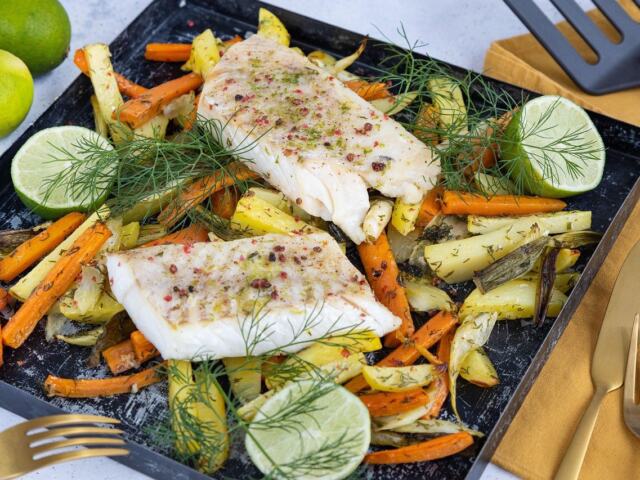
Baked shrimp on a sheet pan with lemon slices and parsley suits cooks who dislike standing at the stove. The risk is that a tray of shrimp keeps cooking from the heat of the pan after it leaves the oven. Dry the shrimp first, then start checking before you expect them to be done. Use the loose C curl and opaque pink colour as your signal, and move the shrimp onto plates promptly rather than letting them rest on the hot tray.
If the oven runs hot or the shrimp are small, they will reach the C stage sooner. When in doubt, take the tray out slightly early, because a cut shrimp that is still a touch translucent in the centre can be finished by residual heat, whereas a tight O cannot be fixed.
When vegetables are the point: shrimp stir fry
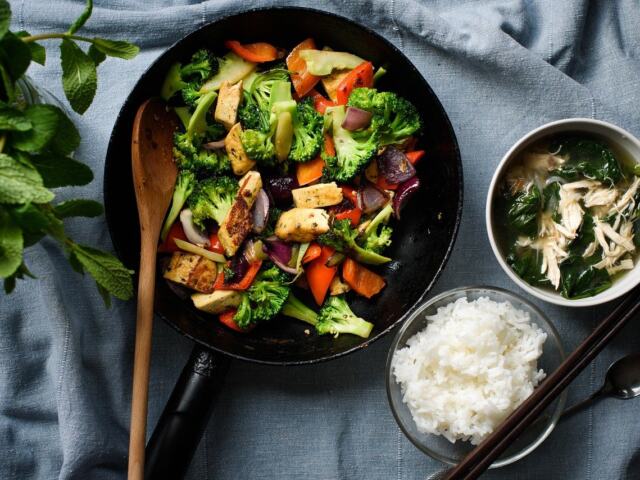
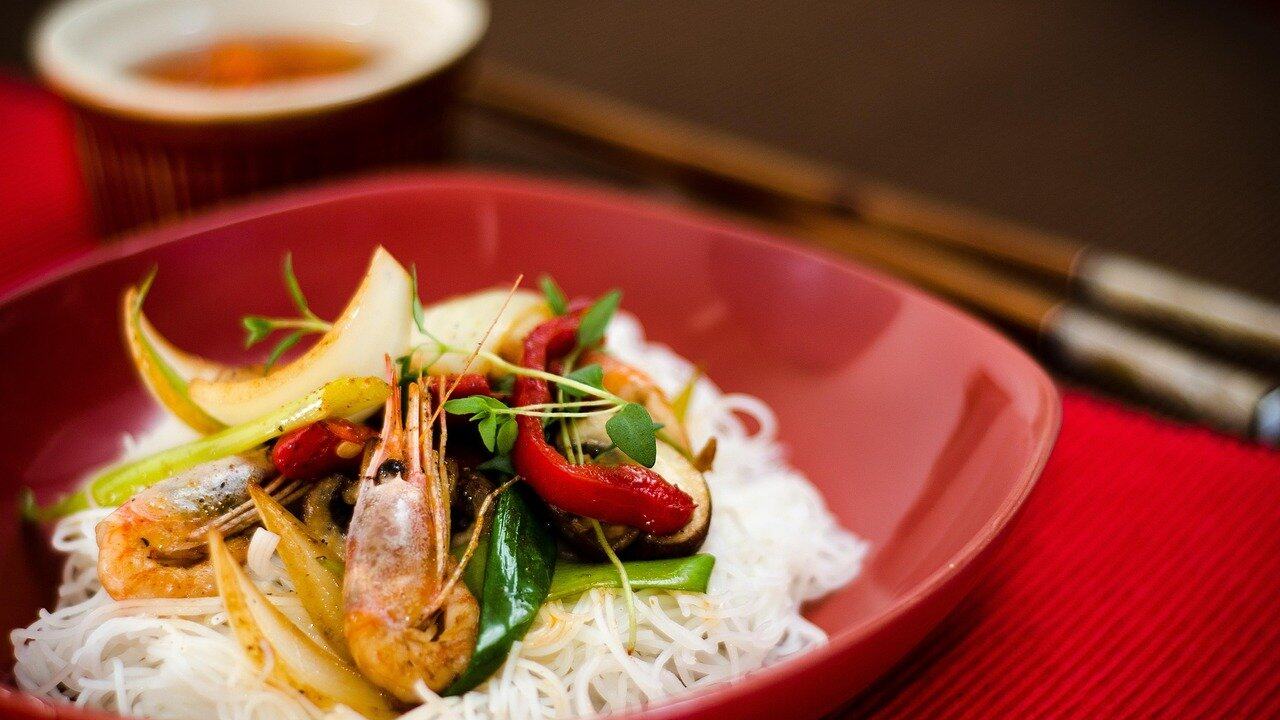
A shrimp and vegetable stir fry gives the shortest shrimp cook time of any method here. Erin Lives Whole cooks the shrimp just until pink, about 2 minutes, so the vegetables set the pace for the dish. Get them to the texture you like, then let the shrimp finish quickly alongside them.
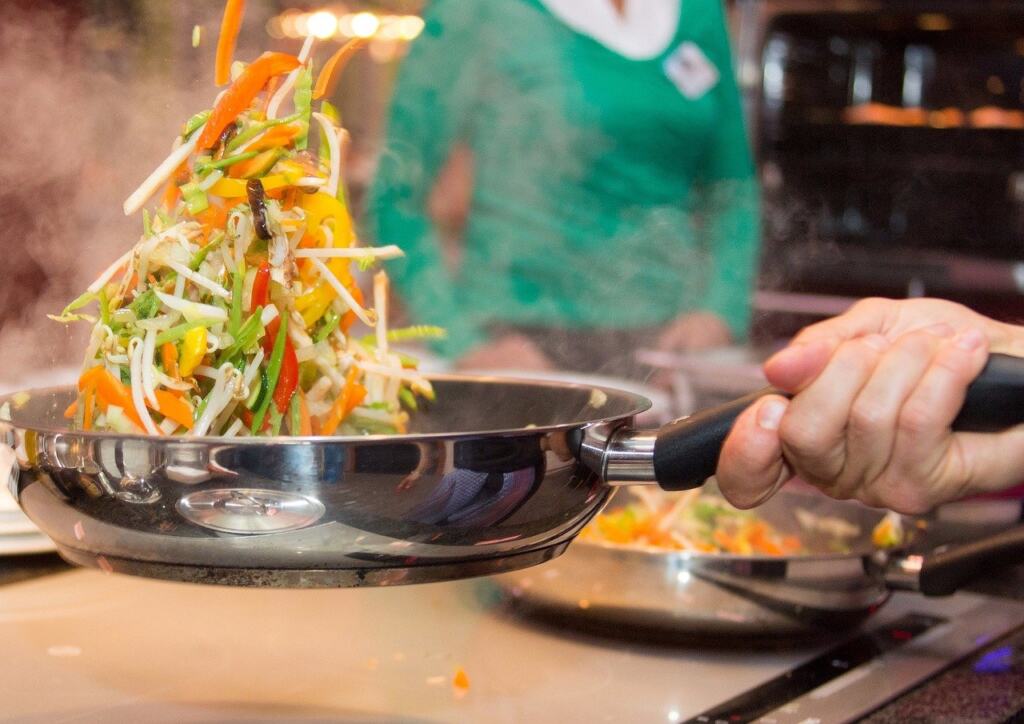
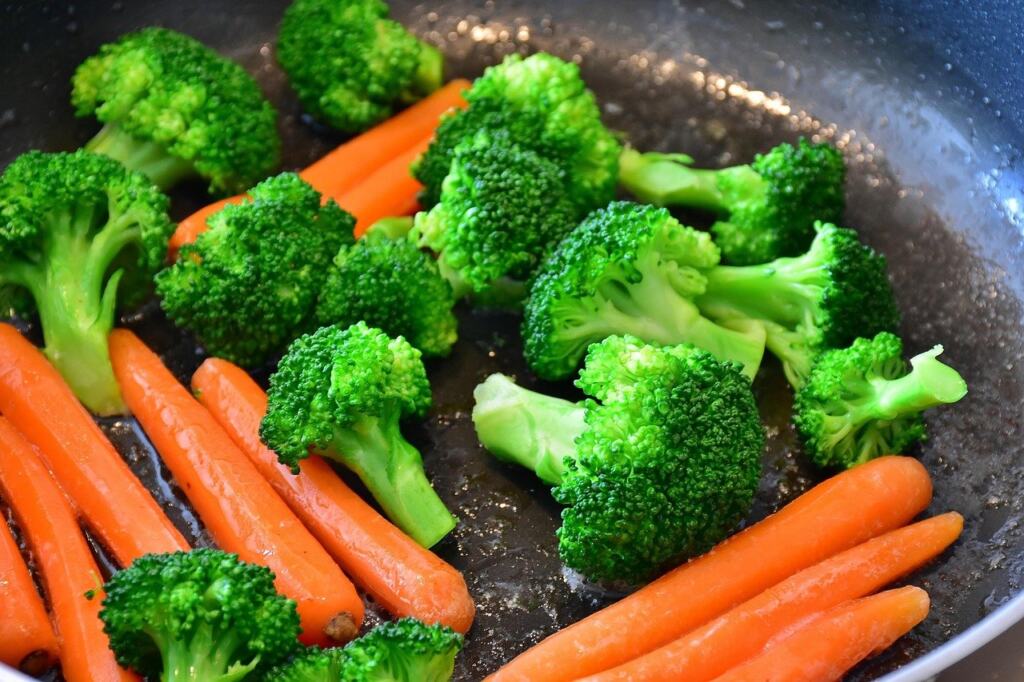
Choose firm vegetables such as carrot, pepper and broccoli, which hold their shape while the shrimp cook. If you want ideas for what to serve alongside rather than in the pan, our guide to healthy vegetable side dishes for dinner covers simple pairings.
When the family wants tacos: healthy shrimp tacos
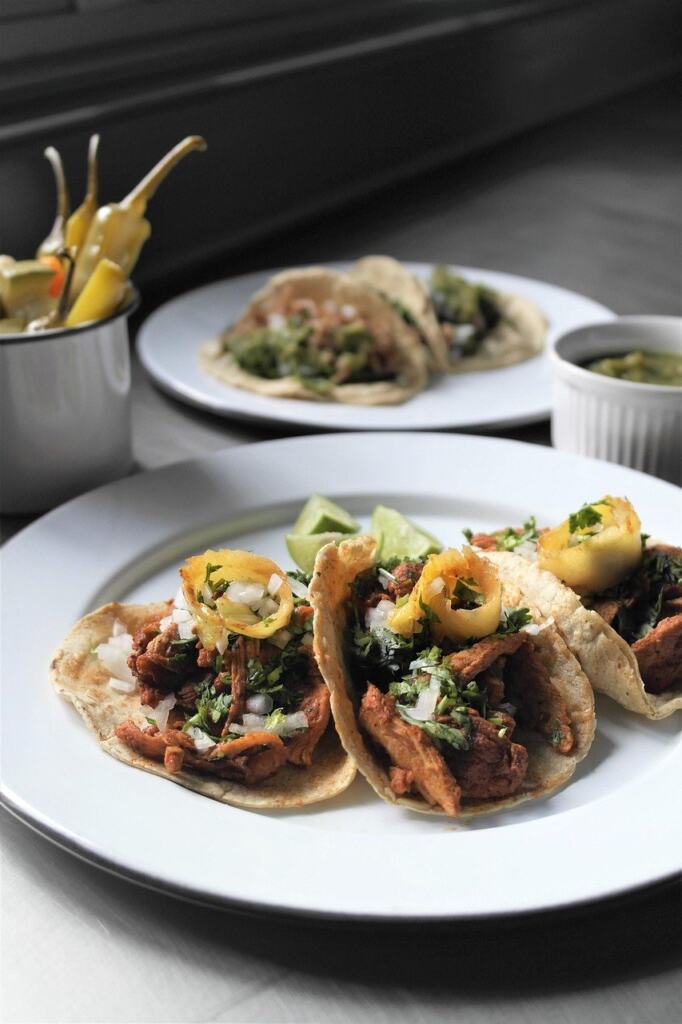
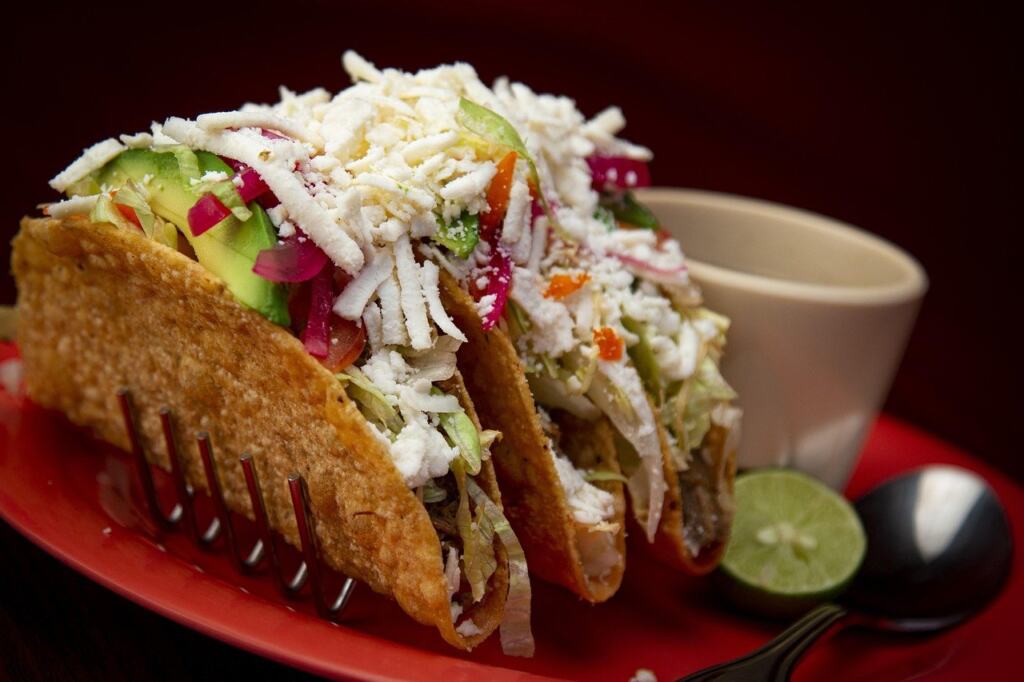
Shrimp tacos work well as a healthy dinner when the toppings are fresh and crunchy. Corn tortillas, a cabbage slaw and lime give crisp contrast to tender shrimp without needing a heavy sauce. Cook the shrimp using the pan method, dry and just until opaque, and assemble straight away so they do not sit and toughen.
For a different format built on the same ideas, a healthy burrito bowl recipe serves the same toppings in a bowl, which suits people who want to skip tortillas.
Thawing and storing shrimp safely
Thaw frozen shrimp in the refrigerator overnight, or under cold running water when you are short on time, then pat them dry. That is the guidance in the Erin Lives Whole stir fry recipe. Choose the overnight route when you can plan ahead, and keep the cold-water method for last-minute dinners.
Leftovers belong in an airtight container in the refrigerator. The stir fry recipe gives 3-4 days, while the creamy garlic shrimp recipe says 4-5 days. Because the two recipes differ, plan on the shorter window and eat leftovers early in it.
What a shrimp dinner provides
Shrimp is a lean protein. Taste of Home describes it as packed with vitamins including iodine, B12 and choline. That makes a quick pan or stir fry with vegetables a sensible healthy dinner, because the cooking adds little beyond what you choose to put in the pan.
Recipe-card figures show how much the rest of the dish changes the total. They describe the whole dish per serving, not shrimp alone:
- Creamy garlic shrimp: the recipe card lists 29 g protein and 520 kcal per serving for five servings, and another panel lists 459 kcal and 28 g protein for six servings (The Movement Menu).
- Garlic shrimp stir fry: an estimated 247 kcal and 20 g protein per serving for four servings (Erin Lives Whole).
The stir fry estimate is markedly lower in calories, so it suits anyone watching energy intake, while the creamy version suits a richer occasion. For values on plain shrimp, look it up in USDA FoodData Central, whose data are in the public domain and which asks users to credit it as the source.
Frequently asked questions
| Question | Answer |
|---|---|
| Is frozen shrimp worse than fresh? | No. Taste of Home calls frozen actually best for one of its breaded shrimp recipes compared with shrimp from the counter. Thaw it properly and pat it dry before cooking. |
| How do I reheat leftover shrimp without making it rubbery? | Reheat on the stovetop or in the microwave in 15-second intervals, as suggested by Erin Lives Whole. Short bursts stop the shrimp cooking past done again. |
| How much shrimp should I cook in one batch? | The creamy garlic shrimp recipe advises against going over 1.5 lb of shrimp. Treat that as a ceiling for that recipe, not a target, and cook smaller amounts if your pan is small. |