A low FODMAP meal plan for IBS works best as a short, structured week: simple breakfasts, batch-cooked lunches and plain-protein dinners built from low FODMAP foods. It is a starting framework for the elimination phase, not a lifelong diet.
If your fridge is full of foods you are no longer sure about, this week is meant to be cooked from, not just read. Use it alongside the low fodmap recipes for ibs collection for extra dishes, and check unfamiliar ingredients against the low fodmap food list.
The week at a glance
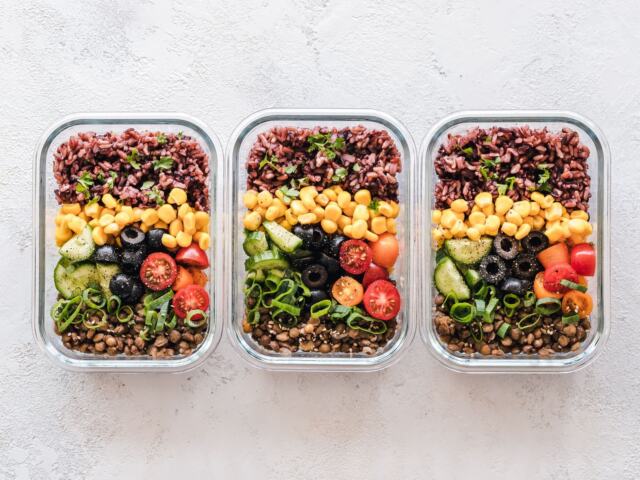
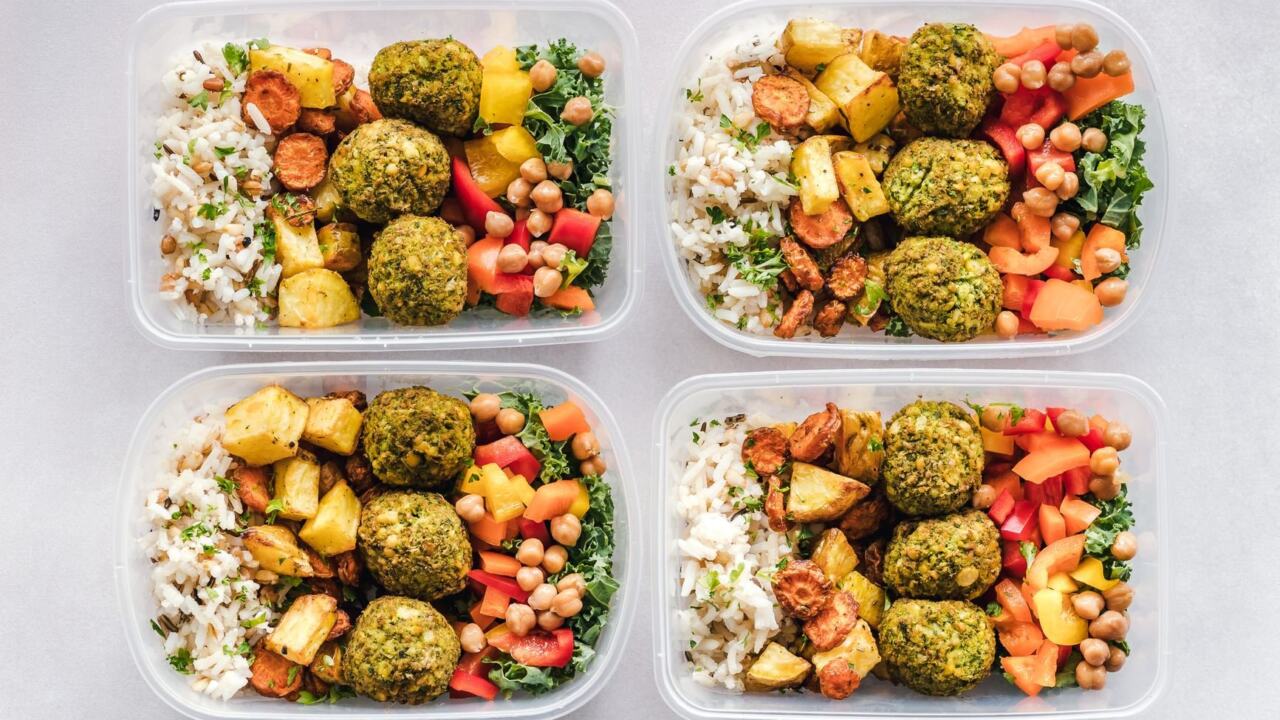
The plan repeats a small set of dishes on purpose. Fewer recipes means a shorter shopping list, less cooking and fewer chances to slip in an ingredient that does not belong. Each lunch and dinner is cooked once and eaten more than once.
| Day | Breakfast | Lunch | Dinner | Planning use |
|---|---|---|---|---|
| Monday | Overnight oats (½ cup rolled oats) | Soba noodle salad with cucumber and carrot | Plain cooked chicken with green beans and carrots | Soak the oats and make the salad the day before. |
| Tuesday | Vegetable frittata with zucchini and green capsicum | Soba noodle salad | Spinach and lentil dahl | Bake the frittata and cook the dahl in bulk. |
| Wednesday | Overnight oats (½ cup rolled oats) | Frittata with a cucumber side | Plain cooked meat with zucchini and carrots | Mostly assembly, with little cooking. |
| Thursday | Scrambled eggs | Spinach and lentil dahl | Plain cooked chicken with green beans | Reheat the dahl from the batch. |
| Friday | Overnight oats (½ cup rolled oats) | Soba noodle salad | Spinach and lentil dahl | Use up the remaining batch dishes. |
| Saturday | Vegetable frittata | Eggs with cucumber and carrot sticks | Plain cooked meat with green beans and carrots | Flexible day for a swap. |
| Sunday | Scrambled eggs | Leftover dahl or salad | Plain cooked meat with zucchini | Cook and soak for the next week. |
The dish ideas draw on the example week in FODBODS’ meal prep guide, and the vegetable and protein choices follow the low FODMAP examples on healthdirect.
Breakfasts: oats and eggs
Breakfast rotates between overnight oats and egg dishes because both are quick and both sit on the low FODMAP side. Healthdirect lists oats and eggs among low FODMAP foods, and the FODBODS example specifies ½ cup rolled oats for its overnight oats, which is a useful anchor for portions.
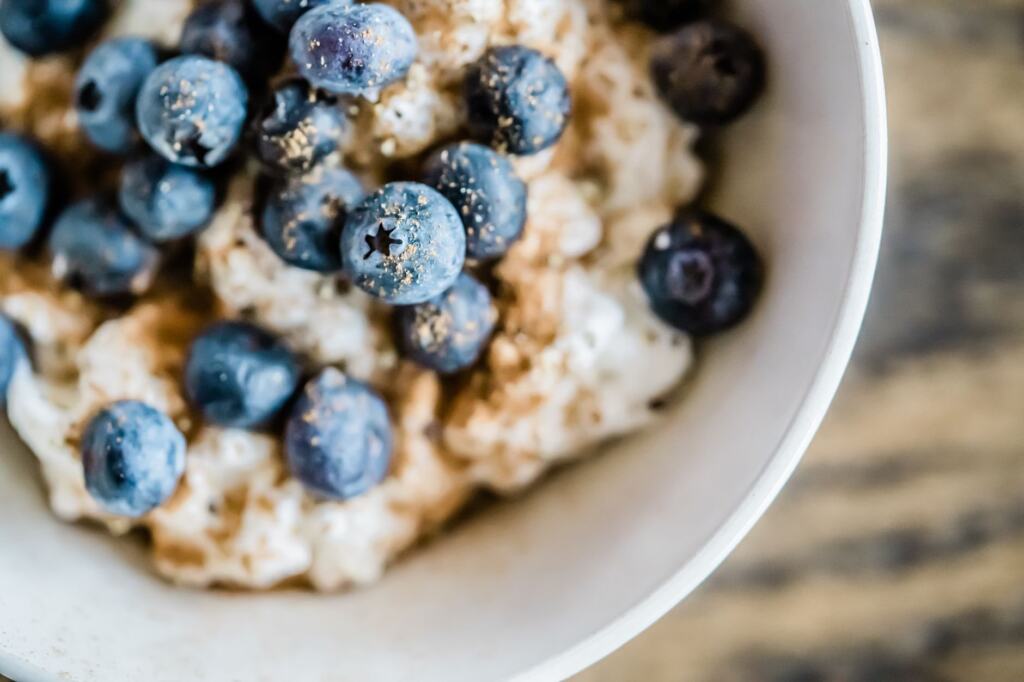
Overnight oats suit people who have no time in the morning. Soak them the evening before and top them with fruit. Fruit is where this plan needs the most care, because several fruits, including apples, pears, watermelon and stone fruits, are on healthdirect’s high FODMAP list. Check the serving size for any topping in the Monash University FODMAP app before you add it.
Egg dishes suit people who prefer a savoury start. The vegetable frittata doubles as a lunch, so one bake covers two meals. For more morning options, the low fodmap breakfast recipes page has further ideas that fit the same pattern.
Lunches: soba noodle salad and frittata
Lunches are designed to be packed, not cooked fresh. The soba noodle salad is one of the example dishes in the FODBODS week, and it travels well in a container with cucumber and carrot, both named by healthdirect as low FODMAP vegetables. Check the noodle label for wheat, which healthdirect places on the high FODMAP list.
The frittata slice with a cucumber side is the second lunch option. It suits anyone who dislikes cold noodles or wants more protein at midday. Leftover dahl is the third, and it reheats easily at a workplace microwave.
Dinners: plain protein and spinach lentil dahl
Dinners follow two templates. The first is plain cooked meat with low FODMAP vegetables such as green beans, carrots and zucchini. Healthdirect names all of these, plus plain cooked meat, as low FODMAP choices. The second is a spinach and lentil dahl, another dish from the FODBODS example week. Confirm the lentil portion in the Monash app, because serving size is what makes a legume-based dish suitable or not.
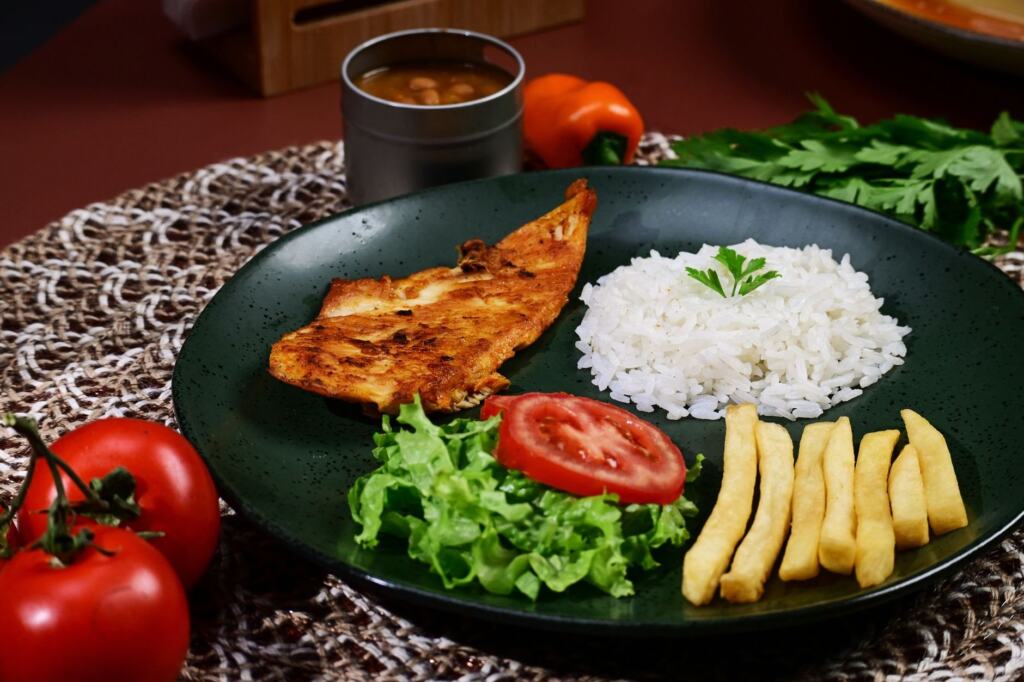
Protein-and-vegetable plates suit people who want minimal cooking. The dahl suits those who prefer a one-pot dish that makes several portions. Its limitation is that it is the most recipe-dependent meal of the week, so follow a recipe written for the diet and avoid garlic and onion, both named high FODMAP foods.
Consolidated shopping list
One list covers the whole week. Group it by store section so the shop takes a single pass.
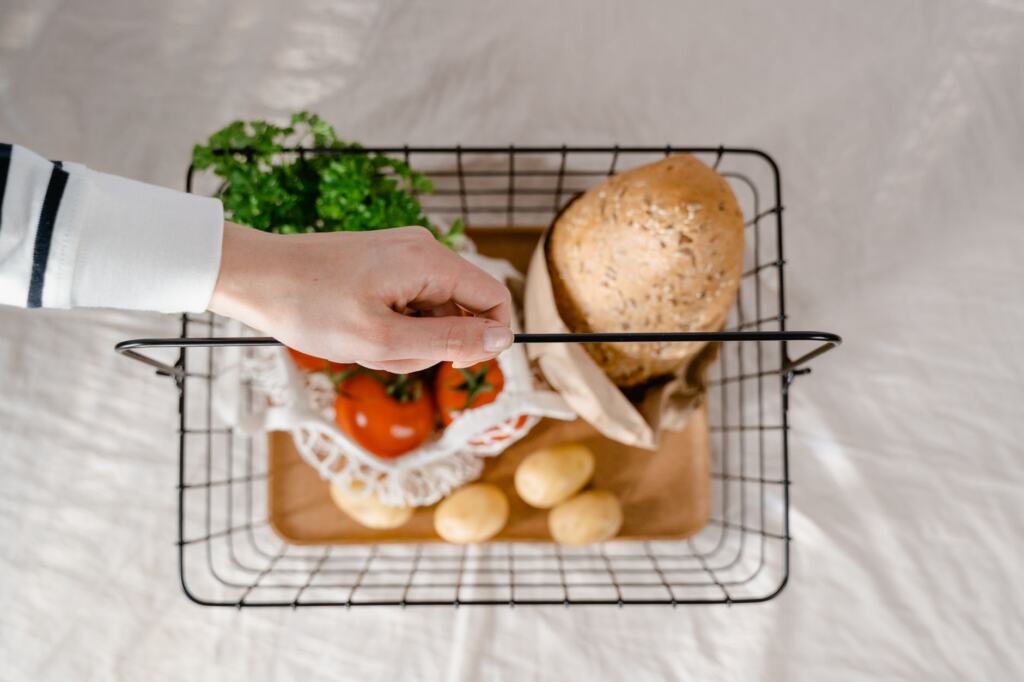
- Vegetables: green beans, carrots, cucumbers, zucchini, green capsicum and spinach. Healthdirect lists the first five as low FODMAP examples, and spinach comes from the dahl recipe.
- Protein: eggs, plain meat to cook at home and dried lentils for the dahl.
- Pantry: rolled oats and soba noodles, with the label checked for wheat.
- Leave out: garlic, onions and leeks, apples, pears, watermelon, stone fruits and wheat-based products. Healthdirect also lists milk and yoghurt among higher FODMAP dairy foods.
If a product has a long ingredients label, compare it with the low fodmap food list before it goes in the basket. Sauces, stocks and ready-made mixes are where garlic and onion most often hide.
Prep order for the week
FODBODS reports that planning and pre-preparing lunches, dinners and snacks can support digestion and reduce stress. A set cooking order is what makes that practical, and it also answers whether meal prep ahead works: it does, when the dishes are chosen to reheat well.

- Write the week’s menu on paper and tick off each ingredient against the shopping list.
- Shop once, then wash and cut the cucumbers, carrots, green beans and zucchini.
- Cook the spinach and lentil dahl first, since it makes the most portions.
- Bake the vegetable frittata while the dahl simmers.
- Assemble the soba noodle salad and portion it into containers.
- Soak the overnight oats the evening before each oat breakfast.
Cook plain meat fresh or in a second small batch. This keeps dinners simple and leaves room for swaps.
Swapping meals you dislike
Swap like for like. Replace a vegetable with another low FODMAP vegetable from healthdirect’s list, a meat with another plain cooked meat, and an egg dish with a different egg dish. This keeps the shopping list and prep order intact.
Avoid swaps that bring in garlic, onions, leeks, apples, pears, wheat, barley, rye, milk or yoghurt, all of which healthdirect names among higher FODMAP foods. When an ingredient is not on any list you have, look it up in the Monash app. A registered dietitian can also suggest substitutes that suit your tastes.
Nutrition in a restricted week
Healthdirect warns that the first stage of the diet may be low in calcium, iron, dietary fibre, vitamins and protein, and that short-term vitamin and mineral supplements may be needed. Calcium deserves particular attention, since dairy foods are among those limited.
A single week is unlikely to cause problems on its own, but the concern grows if the restriction continues. A registered dietitian can suggest alternative sources and say whether supplements make sense for you.
Week versus the full elimination phase
A week of low FODMAP eating is not the whole elimination phase. Healthdirect describes the diet as usually recommended for 2 to 6 weeks, and as having 3 stages. This plan covers only the first stage’s food choices over a short window.
It is a good trial run for anyone curious about how the diet feels day to day, or for someone starting a longer phase who wants a ready routine. It is a poor fit as a standalone fix, because healthdirect states that the diet is not nutritionally complete and not a lifetime diet. If your IBS is persistent, treat the week as preparation for a supervised process.
Checklist before you start
- Book time with a registered dietitian if you plan to go beyond this week.
- Print the shopping list and remove anything you already own.
- Check serving sizes in the Monash University FODMAP app for oats, lentils and any fruit topping.
- Read labels on noodles, stocks and sauces.
- Choose a prep day and block the time.
- Decide your swap rules before a meal goes wrong.
Frequently asked questions
Who developed the low FODMAP diet?
Researchers at Monash University in Victoria, Australia developed it, according to healthdirect.
How soon might symptoms improve?
Healthdirect says the diet can help relieve symptoms within 4 weeks, so a single week may be too short to judge the effect.
Do I need a dietitian to follow this plan?
Healthdirect says the diet should be started with a dietitian’s help. A short plan like this one is easier to follow with that guidance, particularly if you continue past the first week.
Is this the same as a week-long FODMAP challenge?
It is a menu for a week of low FODMAP eating. The structured diet itself has 3 stages, and this plan covers only the food choices of the first.